
Last updated November 16, 2026
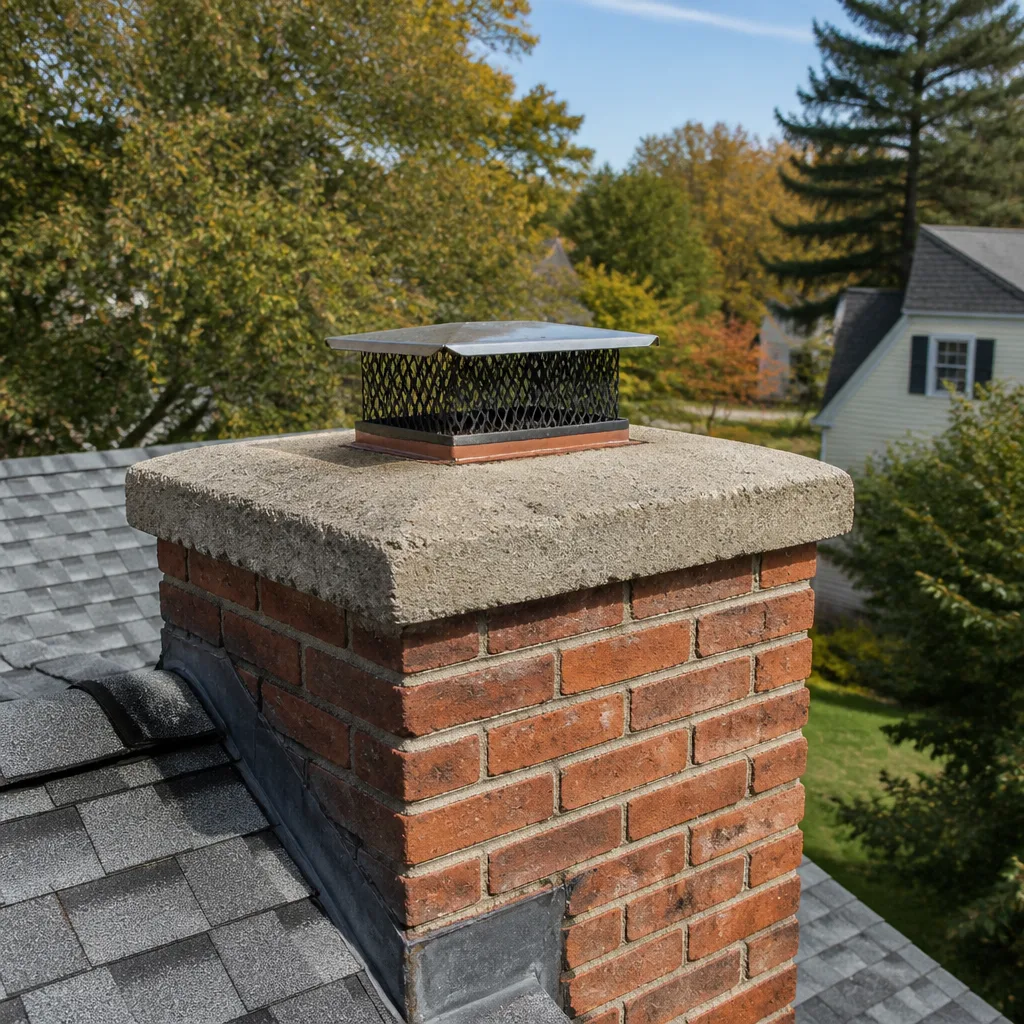 Sweep & inspection
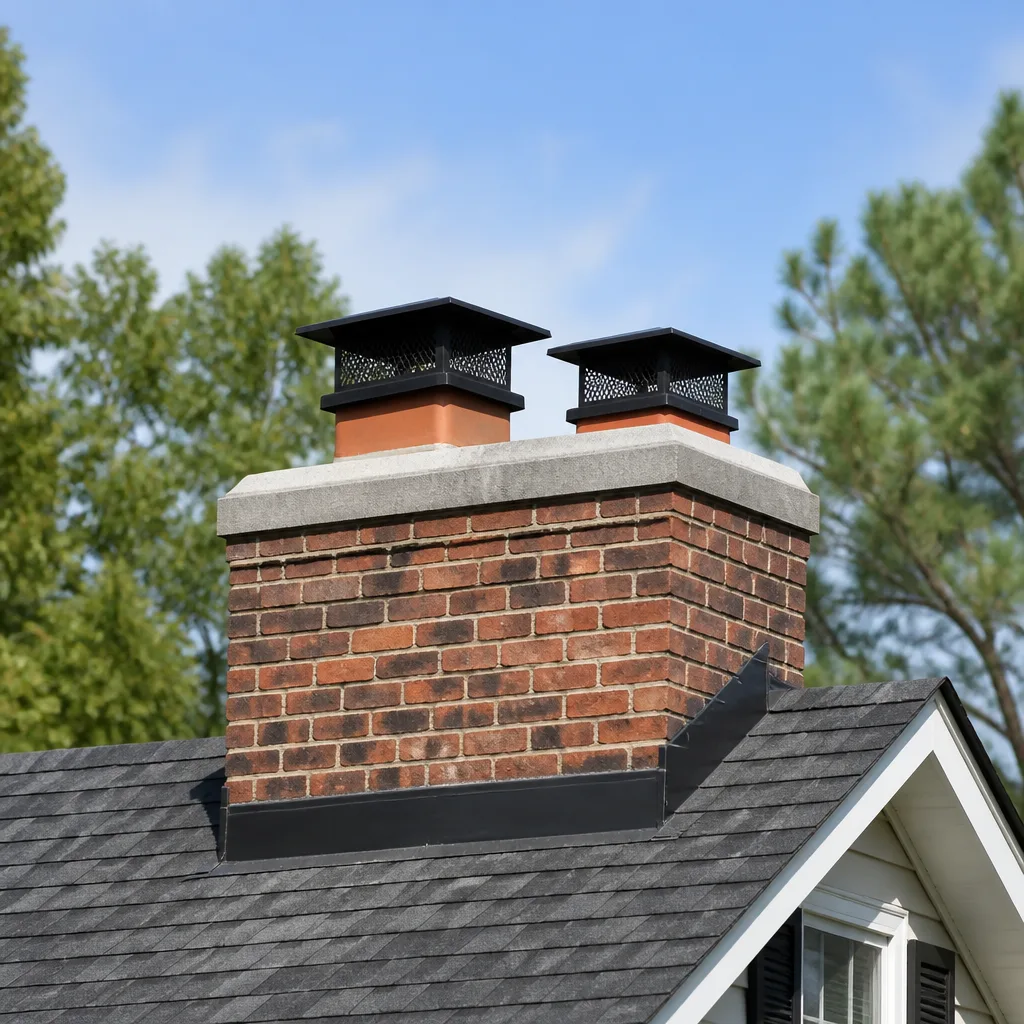 Caps & crowns
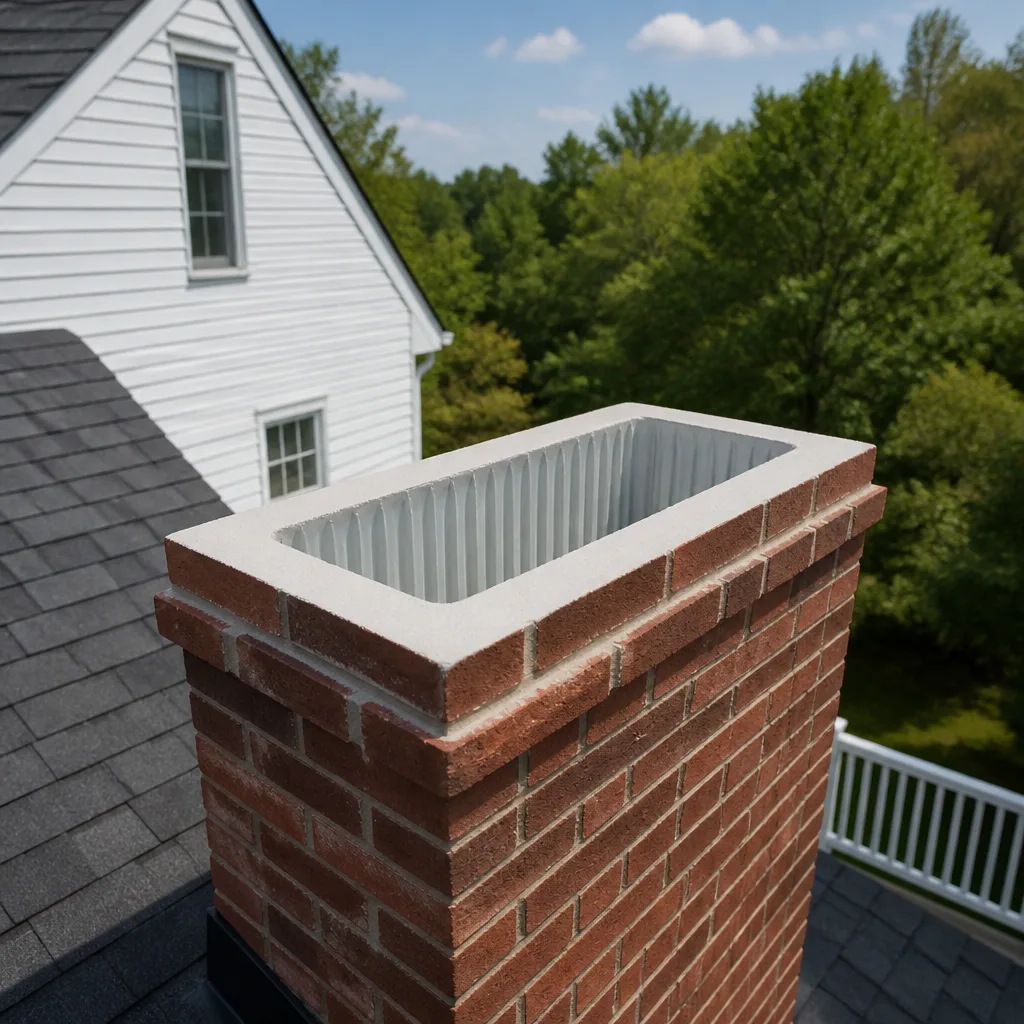 Flue relining
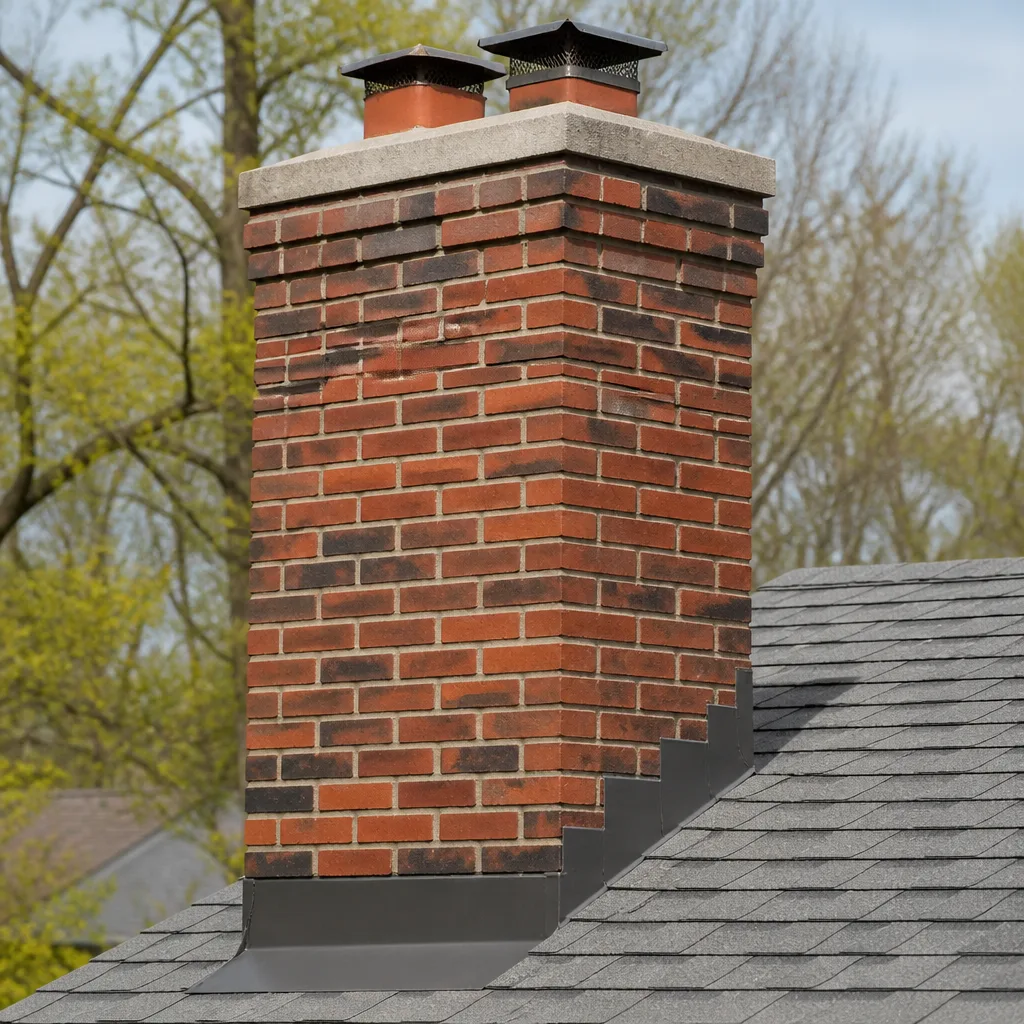 Masonry repair
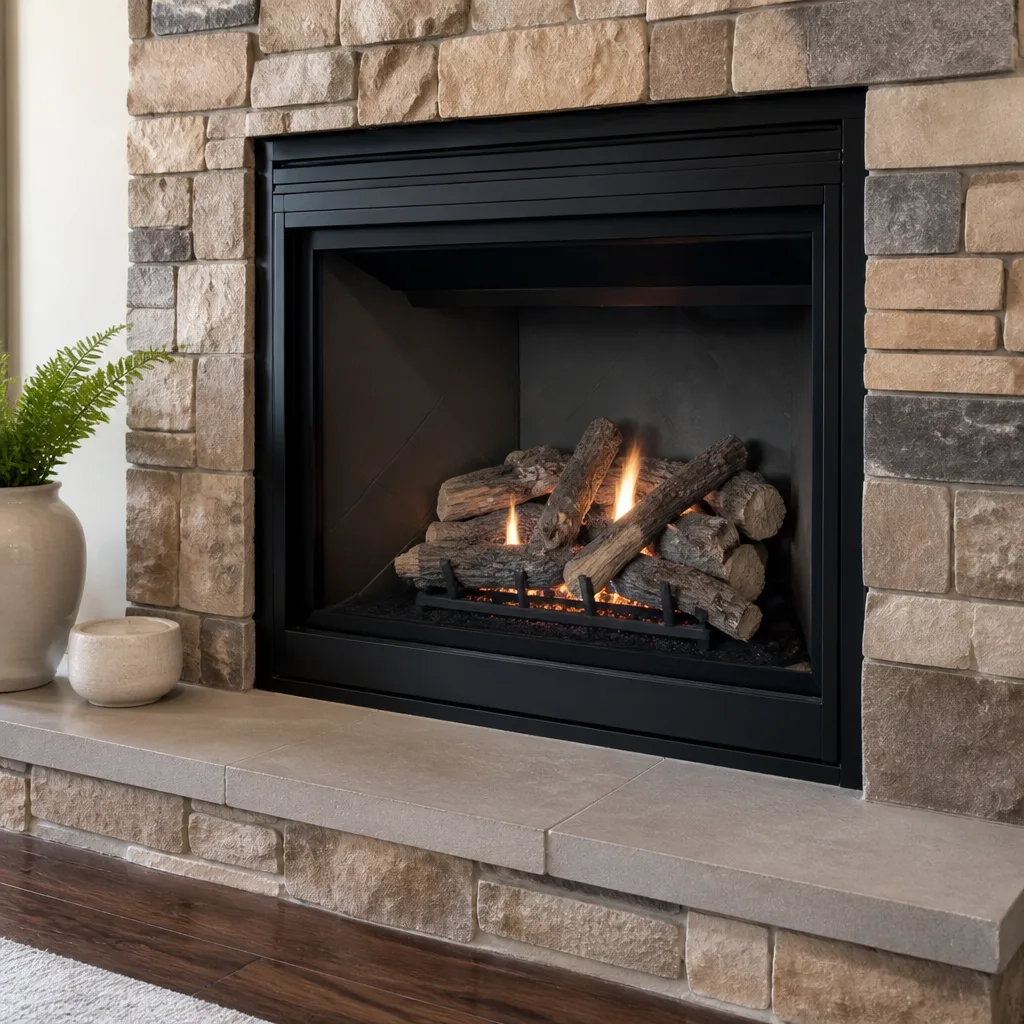 Gas fireplace service
Level 1 sweep and inspection to the NFPA 211 annual standard - flue, crown, cap, and flashing checked and photographed
Chimney sweep logs do not sweep chimneys. They loosen some creosote - which then falls where a brush and vacuum still have to collect it.
Chimney Cleaning Warning Signs: A Hampton Homeowner’s Reference Guide
White staining on your chimney’s exterior isn’t a cosmetic issue. It’s your masonry telling you water is moving through it, and by the time it’s visible outside, it’s already been working on the inside. Most chimney warning signs follow that same pattern: they show up long before a fire hazard develops, but they get described to homeowners as a checklist instead of an explanation. Knowing that a stain is a moisture signature, or that a flue smell points to a specific component, changes how you judge urgency. This guide breaks down each sign by the mechanism behind it, so you can tell cosmetic wear from structural trouble from a stop-using-the-fireplace-now emergency. We’ll keep it grounded in what shows up in Hampton homes specifically.
Quick Answer
The warning signs that matter most on a chimney are the ones that point to blockage, deterioration, or a path for water: a strong creosote smell, dark staining around the firebox, crumbling mortar or flue tile joints, rust on the damper or cap, white efflorescence on exterior brick, and smoke that rolls back into the room. Any of these warrants a sweep and inspection. Stop using the fireplace immediately if you smell gas from a gas appliance, see cracked or displaced flue tiles, notice visible soot stains on the chimney breast, or find a bird or animal nest blocking the flue.
Styles & brands we work with
- Sweep & inspection
- Caps & crowns
- Flue relining
- Masonry repair
- Gas fireplace service
Table of Contents
- A Sign-by-Sign Breakdown: What Each Warning Sign Actually Means
- How to Tell Cosmetic Issues from Structural Problems from Grade Level
- Warning Signs That Show Up More Often in Hampton Homes
- Stop Using the Fireplace Now vs. Schedule Service Soon
- What to Photograph Before You Call a Contractor
- What Good Documentation Looks Like After a Sweep and Inspection
- The Right Time of Year to Act on Each Warning Sign
A Sign-by-Sign Breakdown: What Each Warning Sign Actually Means
Most homeowner guides list warning signs and stop there. The mechanical explanation is what lets you rank them. Here’s what each common sign is actually telling you, from least to most serious.
Soot and Dark Staining Around the Firebox
Black staining at the top of the firebox opening usually means smoke is escaping the damper area rather than drafting cleanly up the flue. That can be a damper that doesn’t seal, a flue that’s undersized for the fireplace opening, or a partially blocked flue. It’s rarely an emergency, but it’s a draft problem worth diagnosing before the next heating season.
Crumbling Mortar and Missing Brick
Mortar joints are the softest part of a chimney and the first to fail. When mortar erodes, the brick above it loses support and the chimney’s outer shell can start to pull apart. A single soft joint is routine maintenance. Joints receding to the depth of a fingertip, or bricks that shift under light pressure, are structural and need a repair visit.
Cracked or Displaced Flue Tiles
Clay flue tiles crack from heat cycling and settle over time. A cracked tile is a breach between the flue and the rest of the chimney structure: combustion gases and creosote can move through the crack into areas they shouldn’t reach. This is one of the signs that moves a chimney to the stop-using list, because the breach is internal and can’t be judged from outside.
Rust on the Damper, Cap, or Firebox
Rust means water is reaching metal inside the chimney. On a closed damper, rust often points to water coming down the flue from an unprotected top. On the firebox or grate, rust can come from moisture cycling through the chimney structure. Either way, it’s a water-intrusion signal rather than a cosmetic one.
White Efflorescence on Exterior Brick
Efflorescence is a white, chalky salt deposit left behind when water moves through masonry and evaporates at the surface. It’s the exterior version of the same story rust tells on the inside. If efflorescence reappears after being scrubbed off, water is still moving through the chimney and the path it’s taking needs to be found.
A Strong Creosote Smell in Warm Weather
Creosote is a tar-like byproduct of incomplete combustion that coats the flue interior. On hot, humid days it softens and becomes volatile, and a sharp, acrid smell can travel down the flue into the house. The smell itself isn’t the problem. The problem is that the layer producing it is thick enough to ignite, and a flue fire is the outcome you’re avoiding by sweeping.
Smoke Rolling Back Into the Room
Backdraft can come from a blocked flue, a competing exhaust fan pulling air past the chimney, a negative-pressure house, or a flue that’s too short for the appliance. It’s a signal that the chimney isn’t drafting correctly, and the cause needs a technician’s eyes on the flue and the surrounding air system.
A Bird Nest or Animal Activity at the Cap
Birds, squirrels, and raccoons treat uncapped flues as dens. A nest in the flue is a hard blockage that sends smoke back into the room and can burn if creosote accumulates around it. If you hear scratching in the chimney in spring, the flue is blocked by something. A properly fitted cap – which brands like Gelco and Copperfield produce – prevents the problem from repeating.
How to Tell Cosmetic Issues from Structural Problems from Grade Level
You can sort most warning signs into three tiers before anyone climbs onto the roof. A visual check from the ground, walking around the chimney exterior without leaving grade level, tells you whether a chimney needs a routine service visit, a repair evaluation, or a technician on it this week.
Tier 1: Cosmetic and Monitor
- Light soot staining on the firebox face, with no visible smoke escaping during normal operation.
- Efflorescence that hasn’t reappeared after being brushed off.
- A single small rust patch on a damper that opens and closes cleanly.
- Minor spalling on brick faces that isn’t progressing.
None of these require urgent action, but all of them belong on a list for the next scheduled inspection.
Tier 2: Structural or Water Intrusion – Schedule a Repair Evaluation
- Efflorescence that keeps returning after cleaning.
- Mortar joints you can push a finger into, or that are receding noticeably.
- Rust on the chimney cap or crown, or rust cycling back onto the firebox.
- Chunks of masonry or mortar on the roof or in the gutter.
- A visible lean or shift in the chimney above the roofline.
These are signs that chimney repair is likely to be part of the next visit, not just a cleaning.
Tier 3: Safety-Critical – Book a Professional Now
- Cracked or displaced flue tiles, or missing pieces visible through a top-down inspection.
- Smoke rolling back into the room during operation.
- Visible gaps between the chimney and the roofline, or water getting into the attic.
- Any smell of gas on a gas log set or gas appliance flue.
- Soot staining on the chimney breast or ceiling above the firebox.
Tier 3 signs move the fireplace into the stop-using category until a technician has been on site.
Warning Signs That Show Up More Often in Hampton Homes
Chimney deterioration follows the local weather cycle. In Hampton, that cycle is seasonal humidity swings and summer heat, and the signs that are more common here than elsewhere follow from both.
Efflorescence from Seasonal Humidity Cycles
A humid Hampton summer drives moisture into brick and mortar, and a drier fall pulls it back out. Every cycle leaves a little salt on the surface. Chimneys that never get a repointing or crown repair accumulate efflorescence faster in this climate than in consistently dry regions, because the wet-dry cycle repeats more often. If your chimney seems to be perpetually white-stained, seasonal cycling is usually the engine behind it.
Rust on Caps and Dampers from Summer Storms and Moisture
Summer thunderstorms and humid air push moisture into the chimney top. A cap that’s failing to shed water, or a top-sealing system that isn’t properly fitted, lets that moisture reach metal below. In Hampton, rust on dampers and caps isn’t a once-in-a-decade finding; it’s routine enough that it’s usually on the inspection report for chimneys that haven’t been looked at in a few years.
Spalling Brick from Repeated Freeze-Thaw Swings
Hampton winters are mild, but a handful of hard freezes each season is enough to split water-saturated brick. A brick that’s absorbed moisture during the fall and freezes in January will flake and pop its face off. If you’re seeing brick dust at the chimney base or gutter, the chimney is losing material to freeze-thaw cycling.
Creosote with a Shifting Combustion Season
Longer shoulder-season burning, with the fire run cooler and dampered down more often, produces more creosote than the same house in a hard-freeze climate where fires burn hot and short. A Hampton homeowner who burns wood from October through April, dampers down most nights, accumulates creosote faster than the general guide to chimney sweeping might suggest. Annual sweeping is the right cadence, and for a heavily used fireplace, it’s the minimum.
Salt-Air Effects on Metal and Masonry
Chimneys near the water in Hampton see faster corrosion on caps, dampers, and metal flue components from the ambient salt content in the air. Stainless accessories and powder-coated caps hold up better than untreated steel, which is one reason material choice matters as much as installation. A cap that’s pitted or chalky after a handful of seasons is usually telling you it was the wrong material for this environment, not that it was installed badly.
Stop Using the Fireplace Now vs. Schedule Service Soon
The single most useful judgment you can make about a chimney is whether the next fire is safe. Here’s how the warning signs split into those two lists.
Stop Using the Fireplace Now
- Gas smell from any gas appliance or log set: shut it off at the source, leave the gas appliance alone, and call your gas utility and a technician before using it again.
- Cracked or displaced flue tiles visible from a top-down inspection: combustion gases can bypass the flue lining, and a fire can spread creosote into the chimney structure.
- Soot staining on the chimney breast or ceiling: a visible soot line above the firebox usually means smoke and gases have been escaping into the room for a while.
- A blocked flue: nest, debris, or a partially collapsed liner that you can see with a flashlight means no safe draft path.
- Smoke rolling into the room during normal operation: backdraft is a draft measurement problem, and it means the chimney isn’t doing its job.
Schedule Service Soon
- Heavy creosote buildup, visible as a thick, tarry, or flaky coating in the flue.
- Efflorescence that keeps returning after cleaning.
- Crumbling mortar joints and minor spalling.
- Rust on a damper or cap that still operates correctly.
- A strong creosote smell during warm weather.
- Backdraft that only happens with a bathroom fan or dryer running (worth a diagnosis, not necessarily a stop-use).
If a sign is on both lists in your mind, treat it as the more serious one until a technician has looked at the flue. In our experience, the cost of an inspection is far lower than the cost of a fire or a rebuild that starts from a small repair nobody acted on.
What to Photograph Before You Call a Contractor
A sweep makes better decisions on a house when the homeowner has already documented the sign. Photos let us prioritize which buildings need the flue scoped first, and they save a second visit if the original issue is intermittent.
- Full chimney from grade level, all four sides. Stand back and get the whole stack in frame. This is the photo that tells us whether the crown, cap, and top courses of brick are intact.
- Close-up of any stain, growth, or efflorescence. Use a ruler or coin in frame for scale. Efflorescence depth and area tell us whether the moisture path is small or widespread.
- The firebox opening with the damper closed. Good light. This is where soot staining and backdraft tell us about draft quality.
- The damper and flue, looking up. Turn off the lights in the room, use a flashlight, and take the clearest shot you can. Any visible cracking or displacement in the flue tile is visible from this angle.
- The cap and top, if visible from the ground or a second-story window. Rust, corrosion, and missing screen mesh show up well at this scale.
- Any masonry on the ground or in the gutter. Chunks, dust, and soot streaks on the roof are the evidence we look for when we’re deciding how urgent a repair is.
- The appliance label on a wood stove, insert, or gas log set. Model and clearance information lets us match the flue requirements to the appliance before we arrive.
Save the photos to a folder named for the address and date. If you call more than one contractor, every one of them is looking at the same evidence, and the conversation about what needs doing is shorter and more honest.
What Good Documentation Looks Like After a Sweep and Inspection
A sweep should leave you with something you can refer back to. If it doesn’t, the follow-up conversation about repairs is going to be guesswork.
- A written inspection summary: what was found, what was cleaned, what needs watching, and what needs action. Ideally, a copy for your records and a copy for the next inspector.
- Photos of the flue interior: a camera inspection through the flue gives you a picture of the flue lining and any breeching in it. Ask to see them if they aren’t offered.
- Photos of the cap, crown, and top courses: what the chimney looks like up top, in the same conditions the sweep found it.
- A recommendation with a reason attached: “You need a new liner” isn’t a recommendation; it’s a sales pitch. A report should say what evidence supports that conclusion, and what the alternative (relining resurfacing, for example) would and wouldn’t fix.
- An estimate that separates the sweep, the repair, and any additional work: the price for a sweep is not the same figure as a repair or a reline.
- A record of what changed: if you had a rebuild or a repointing done, keep the paperwork, including which products were used. It matters at resale and it matters for the next inspection.
The Right Time of Year to Act on Each Warning Sign
Chimney warning signs get worse on their own timeline. Acting at the right season means the work is done before the next heating cycle, and it usually means you have room to plan for a repair instead of reacting to a failure mid-winter.
Early Fall: Before the First Fire
This is the window for a sweep and inspection. Creosote from last season is still there, cap and damper conditions are still visible, and there’s time to schedule repair work if the inspection finds something. If you’re going to sweep, inspect, and repair during the year, doing all three in fall – before the first fire of the season – is the cleanest sequence.
Late Fall and Winter: Safety Checks Only
Once the fireplace is in regular use, prioritize safety. Stop using the fire if a Tier 3 sign appears, and book a visit for the finding. Small repairs can wait for spring, structural items shouldn’t.
Spring and Early Summer: Exterior Work Season
Crown repair, cap replacement, masonry repointing, and exterior flashing all work better in dry weather. If the inspection flagged efflorescence or spalling, spring is the right time to address it – the chimney gets a couple of dry months to settle before the next wet season.
Mid to Late Summer: The Bottom of the Creosote Cycle
Creosote smell is worst in the warm months, but it’s also the easiest time to sweep – the chimney is dry, flue access is clean, and there’s no fire in the way. A late-summer sweep means a clean flue going into fall.
Common Mistakes to Avoid
- Reading a stain as a cosmetic problem. Efflorescence and rust are moisture signatures. If they’re returning after cleaning, the underlying moisture path hasn’t been addressed, and the next symptom will be more expensive.
- Treating a sweep as a quick in-and-out visit. A sweep that doesn’t include an inspection of the flue and top is a partial job. Ask what’s included before booking.
- Waiting for a strong creosote smell before sweeping. By the time you smell creosote on a warm day, you’ve usually got a thick layer to remove. The right cadence is annual, not on-symptom.
- Ignoring a crumbling crown or cap. The crown and cap are the chimney’s roof. Once they’re compromised, water goes wherever the flue makes it easiest, which is exactly where the liner is.
- Calling a general handyman for a chimney issue. A technician who knows chimney systems will recognize a flue tile crack or a backdraft cause that a generalist may miss. Chimney work is a niche, and the materials matter.
- Skipping photos before calling. A sweep that doesn’t see the problem before the visit has to diagnose it from scratch on site, which can mean a delay or a second visit.
- Replacing a liner before checking whether relining resurfacing would solve the problem. A deteriorating flue with intact structure can sometimes be brought back to spec with a resurfacing system like HeatShield, which is a smaller job than a full reline.
See the difference
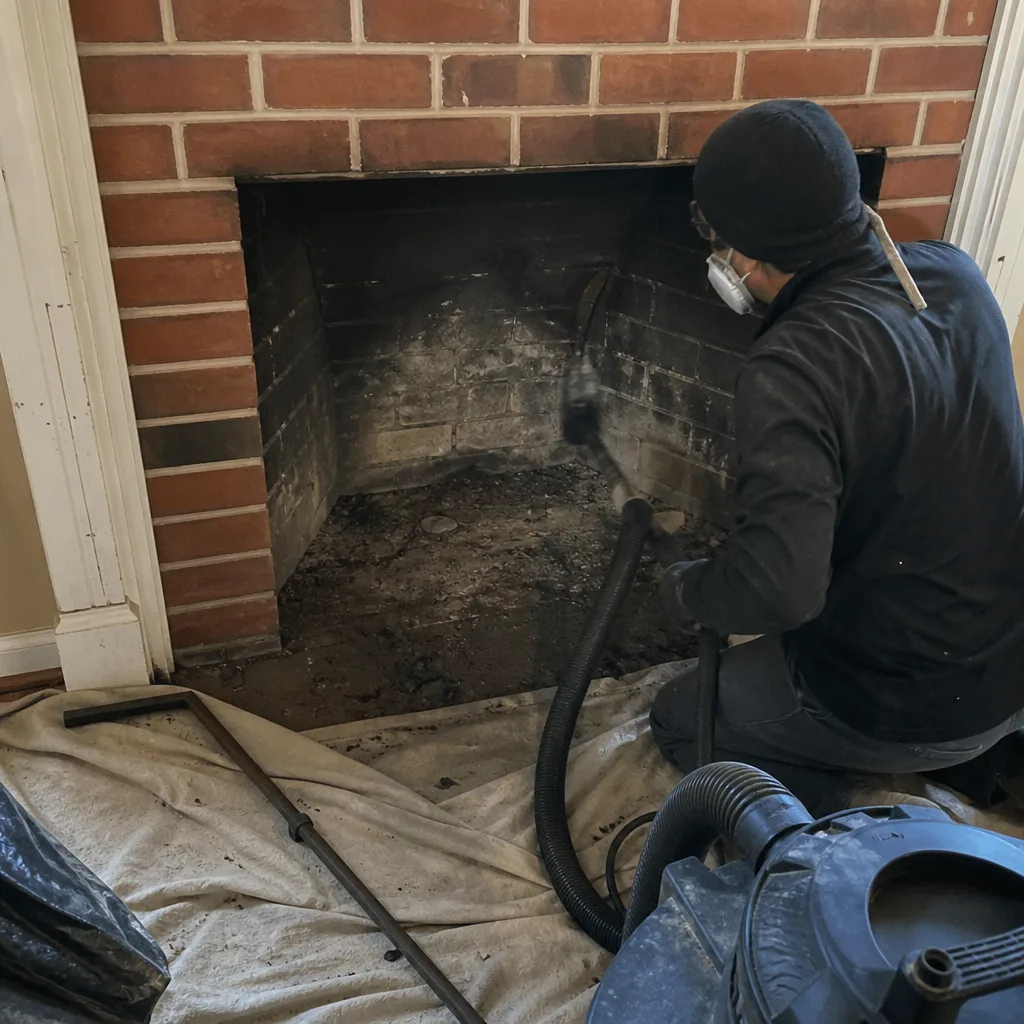 Before
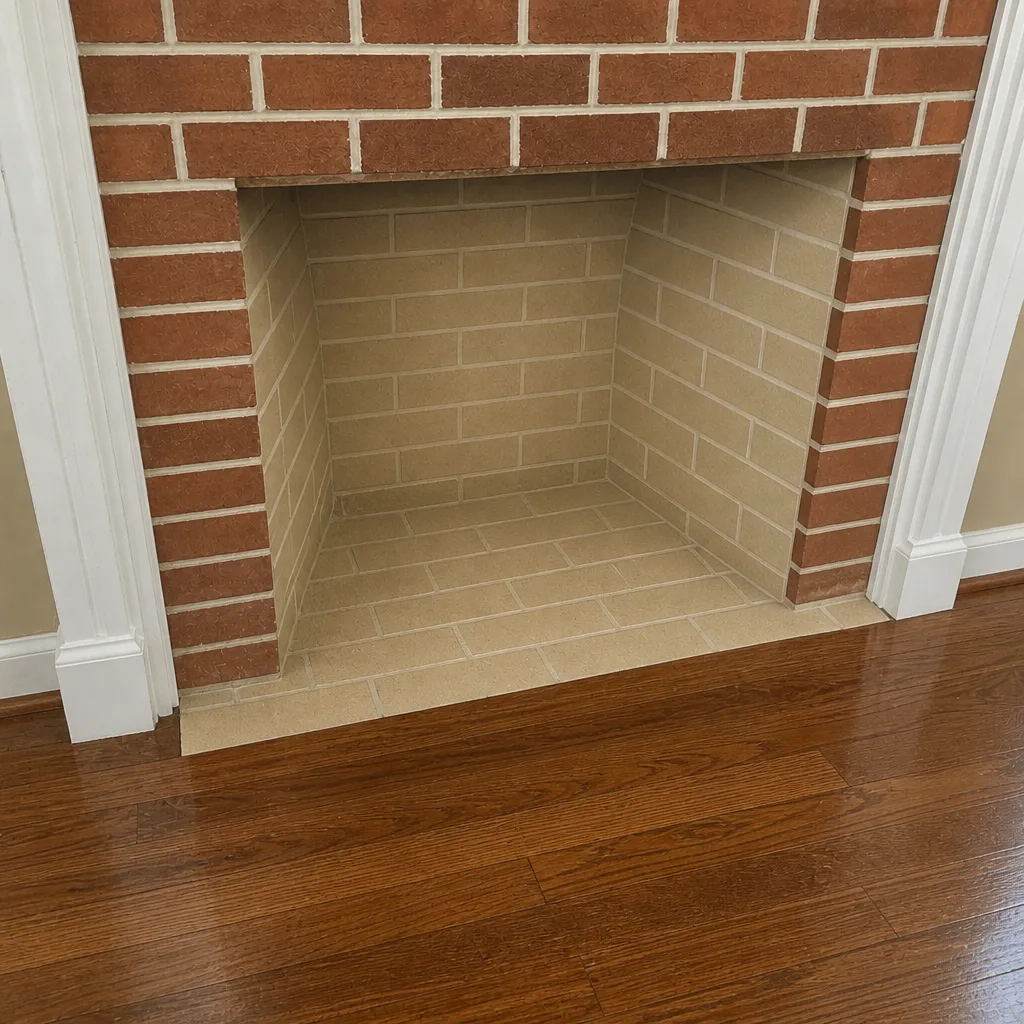 After
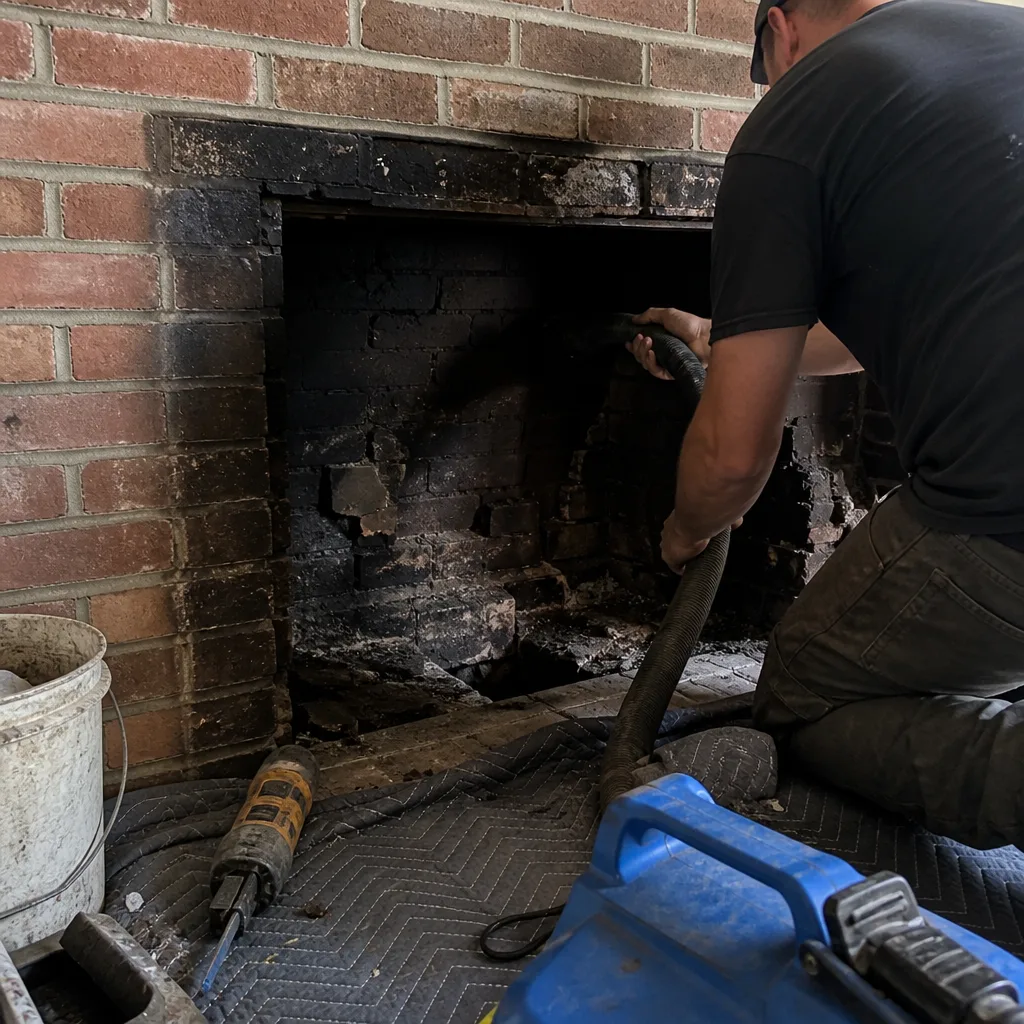 Before
 After
 Before
 After
When to Call a Professional
Call a chimney professional if any Tier 3 sign is present, if a sweep hasn’t been done in the past year, if you’ve moved into a Hampton house and don’t know the chimney’s history, or if any repair or inspection recommendation comes with a figure you can’t verify from the evidence in the report. Chimney work is one of the trades where the wrong answer from an unqualified technician can cost far more than the correct one from a specialist. We offer a chimney sweep and inspection as a single visit, and repairs on the same schedule, so the record stays in one place. Chimney Sweep Hampton offers free estimates in Hampton – call (833) 572-0756. We answer 24/7. Fast dispatch from 7am to 7pm, Sunday through Friday. Our technicians have up to 9 years of experience, and we work with a curated set of industry brands – DuraFlex, HeatShield, Gelco, Olympia Chimney, Famco, and Copperfield – because the materials in a chimney are what it’s built to do its job with.
Frequently Asked Questions
Once a year is the baseline for a wood-burning fireplace, and it’s the number that keeps creosote from building past the safe layer. Hampton’s long burning season, with plenty of shoulder-month fires burned cool and dampered down, produces more creosote than the same house would in a shorter, hotter season, so a heavily used fireplace should be swept annually and inspected at the same visit. Call (833) 572-0756 for a free estimate on a sweep and inspection.
White staining is usually efflorescence, and it means water is moving through the masonry and evaporating at the surface, leaving salt deposits behind. It’s a moisture signal, not a cosmetic one, and if it returns after cleaning, the chimney has a persistent water path that needs to be found. The path can be a failed crown, a failed cap, failed flashing, or the mortar joints themselves, and a repair visit is what identifies which. Call (833) 572-0756 for a free estimate.
Rust is a serious signal in the sense that it means water is reaching metal – either down the flue from an unprotected top or through the chimney structure. It’s not usually an emergency by itself, but the source of the moisture needs to be found before the next wet season. A cap that’s pitted or corroded after a handful of seasons is often the wrong material for the environment, which is why materials choice matters on replacement. Call (833) 572-0756 to schedule an evaluation.
Stop using the fireplace immediately on any of these: a gas smell, a visibly cracked or displaced flue tile, soot staining on the chimney breast or ceiling, a bird nest or debris blocking the flue, or smoke that rolls back into the room during normal operation. Each of these means the chimney isn’t currently doing its job of venting combustion gases and smoke safely. Book a visit before using the fireplace again. Call (833) 572-0756.
Yes. The decision between a sweep, a liner resurfacing, and a full relining comes from a camera inspection of the flue. Resurfacing with a HeatShield system addresses deteriorating mortar joints where the structure is otherwise intact, and a full relining with DuraFlex becomes the right call when the lining itself has failed. A contractor who tells you what’s happening without showing you the evidence is asking you to trust a conclusion you can’t verify – ask to see the flue photos. Call (833) 572-0756 for a free estimate.
Take photos first: the chimney from grade level on all sides, the firebox with the damper closed, the damper and flue looking up, and any masonry material on the roof or in the gutter. Then call a chimney specialist and describe what you’ve seen. A sweep who’s seen the photos can prioritize the visit correctly and book the right service; without them, the diagnosis starts over at the house. Call (833) 572-0756. We answer 24/7, and fast dispatch is from 7am to 7pm, Sunday through Friday.
The Bottom Line
Chimney warning signs are mechanical facts before they’re anything else: a stain is moisture, a smell is creosote soft enough to migrate, a crack is a breach in the path that gases are supposed to be contained by. Reading them that way is what lets you sort the cosmetic from the structural from the stop-the-fireplace concerns. In Hampton, the signs that show up most are the ones tied to the seasonal humidity cycle and the coastal air, which is why exterior observations – efflorescence, rust, spalling – are worth photographing before anything else. Get the sweep and inspection done ahead of the first fire, act on Tier 3 signs immediately, and demand evidence for every repair recommendation. If you want that documented, Chimney Sweep Hampton handles chimney repair and inspection as part of the same visit, and we welcome a call from any Hampton homeowner who wants to know what’s inside their chimney before winter.
Call (833) 572-0756 for a free estimate. We answer 24/7. Fast dispatch from 7am to 7pm, Sunday through Friday. If you’ve been putting off a sweep, the estimate costs nothing and the report tells you exactly what you’re dealing with.
Written by the team at Chimney Sweep Hampton.