
Last updated November 16, 2026
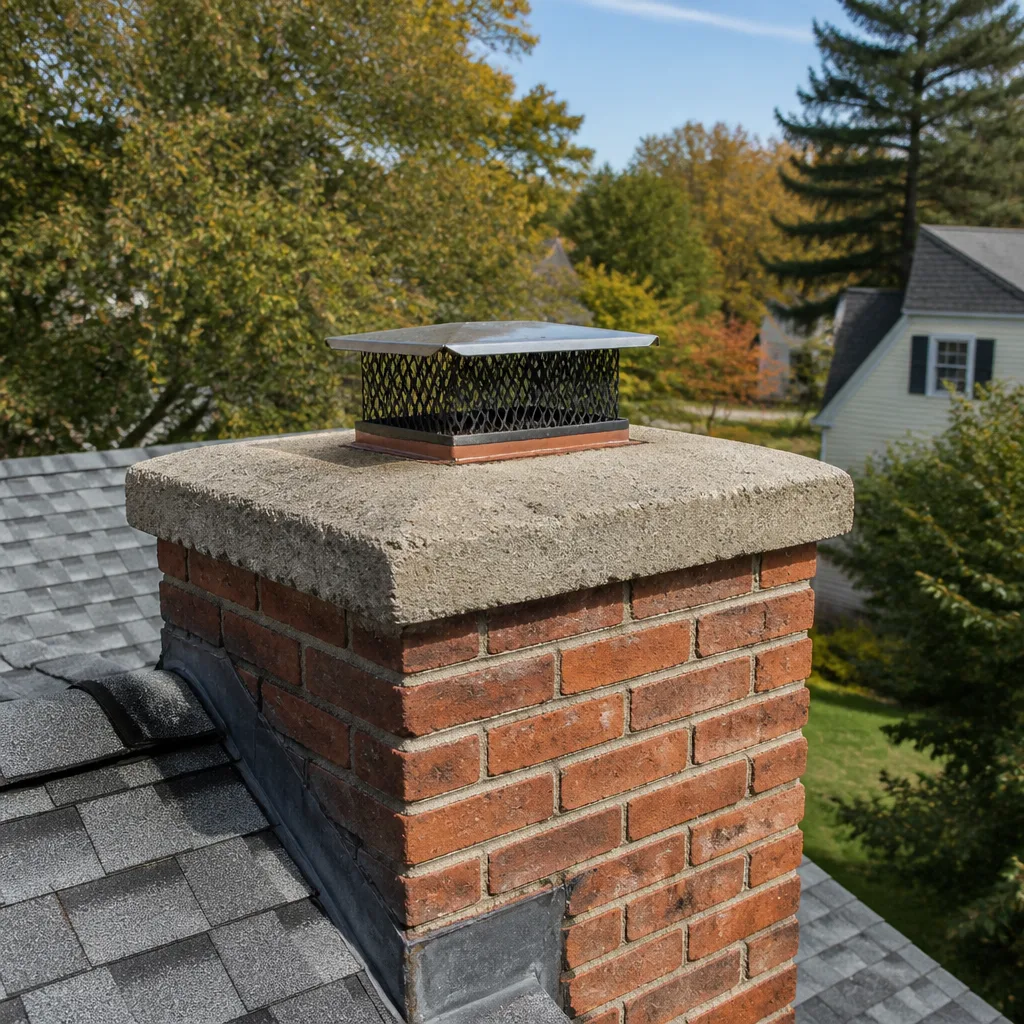 Sweep & inspection
 Caps & crowns
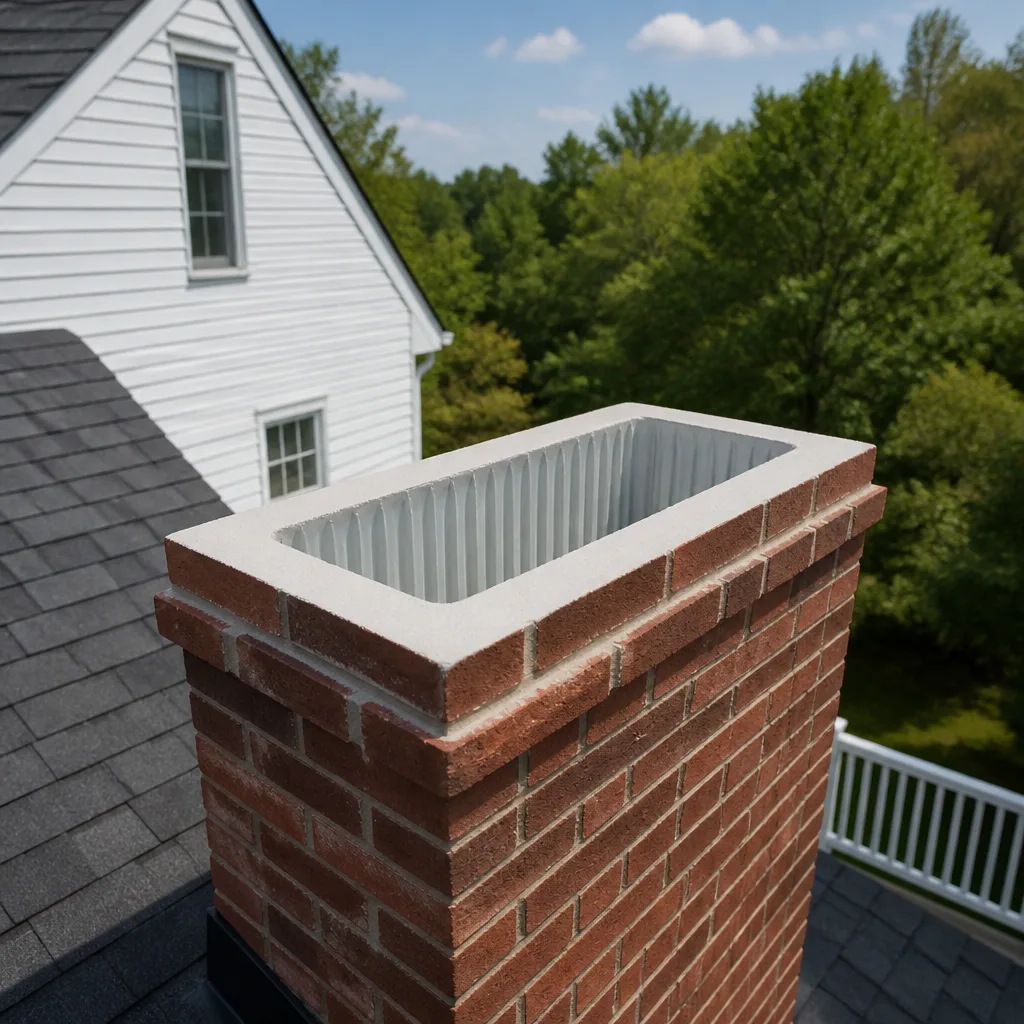 Flue relining
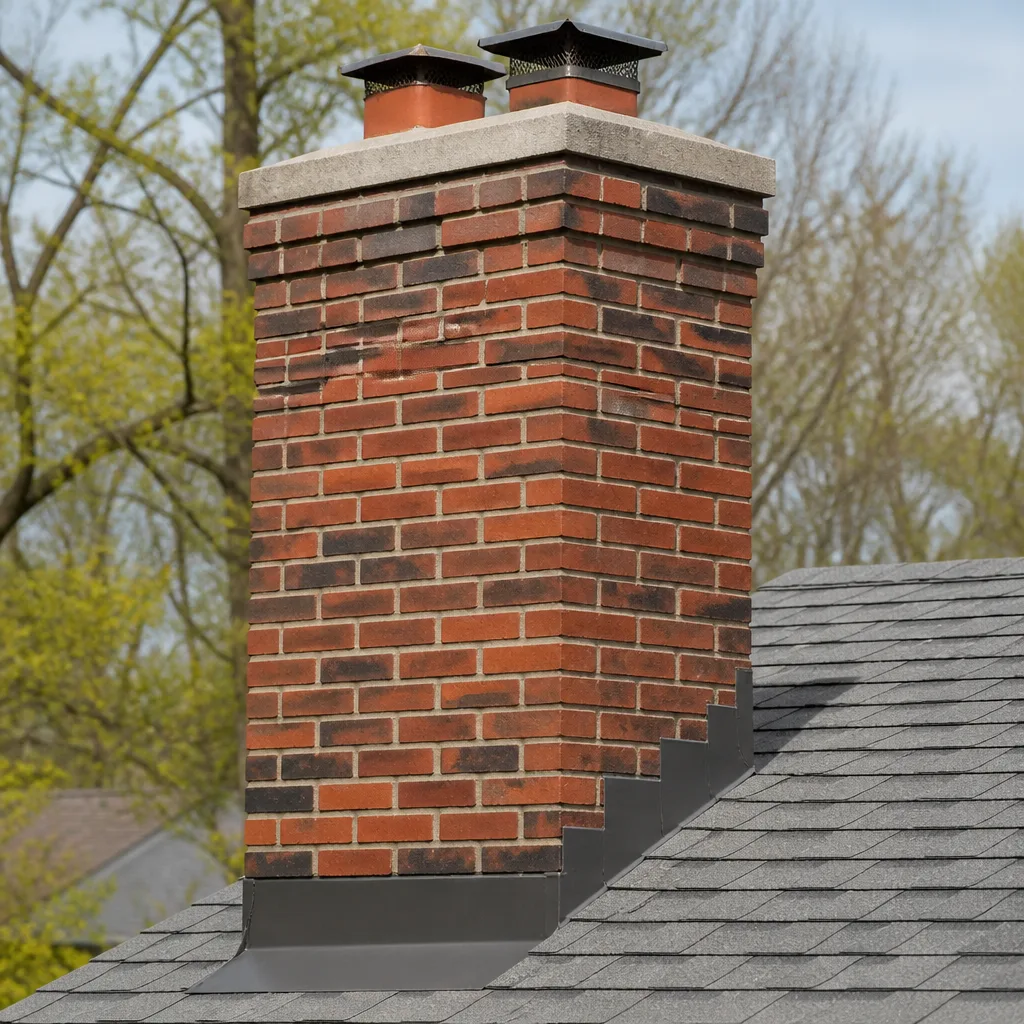 Masonry repair
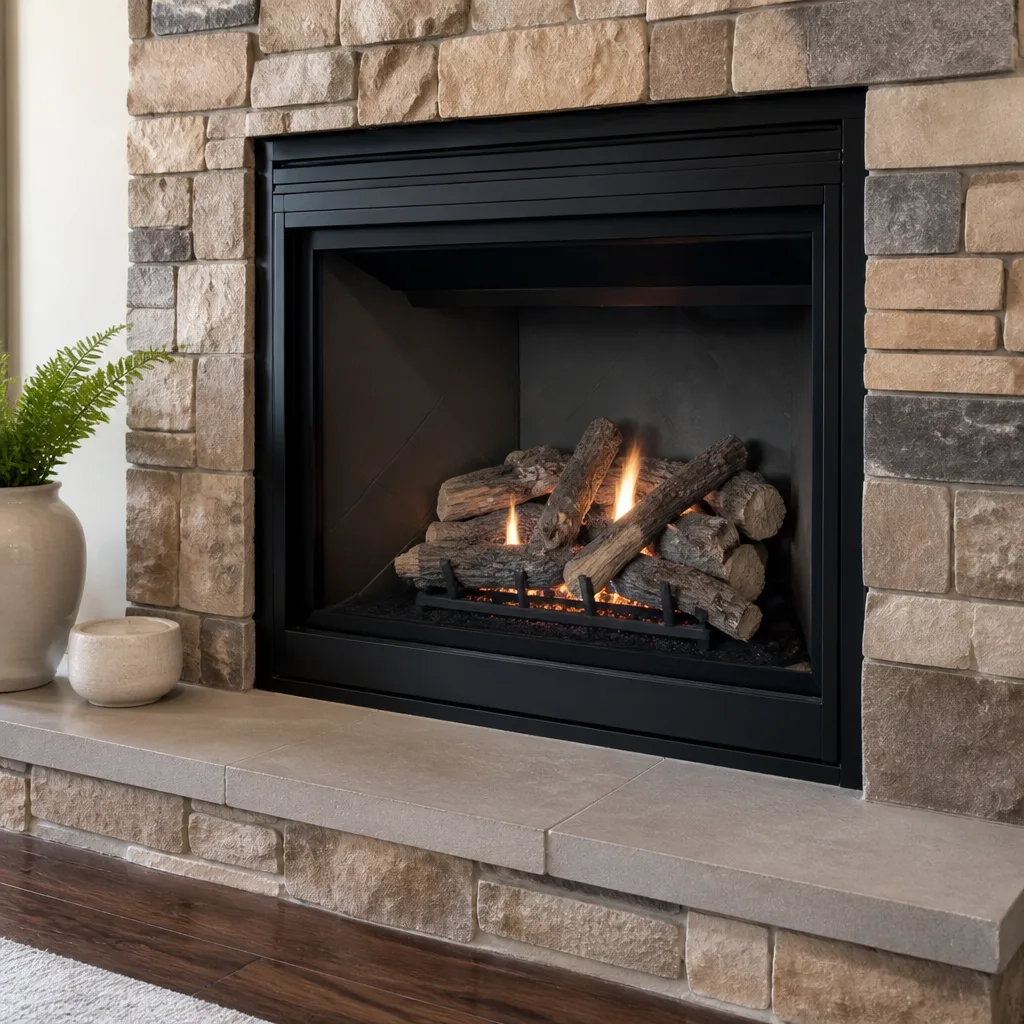 Gas fireplace service
Level 1 sweep and inspection to the NFPA 211 annual standard - flue, crown, cap, and flashing checked and photographed
Chimney sweep logs do not sweep chimneys. They loosen some creosote - which then falls where a brush and vacuum still have to collect it.
Choosing the Right Chimney Cleaning Brand: A Buyer’s Guide for Hampton
If your chimney sweep can’t tell you the brand name of the rotary cleaning system they’re using, ask yourself why. A professional who knows their products talks about them. Most Hampton homeowners never learn what materials went into their chimney last time a sweep came out, and plenty of sweeps prefer it that way. Naming a specific system invites questions. Naming a liner brand invites a paper trail. Generic labor-only pricing avoids all of it. This guide is for the Hampton homeowner who wants to know what’s actually going inside their flue before the next burning season, and how to tell a materials-serious sweep from a generalist with a brush and a leaf blower.
Styles & brands we work with
- Sweep & inspection
- Caps & crowns
- Flue relining
- Masonry repair
- Gas fireplace service
Quick Answer
The right chimney cleaning brand isn’t a single name on a brochure. It’s a sweep who can name the rotary system they clean with, explain the liner material they’d use in a reline, and show you why that material suits your chimney’s setup. Professional-grade rotary systems and liner products are built to tighter tolerances than consumer kits, and a sweep who uses them can usually tell you exactly why they chose them. The brand matters less than the accountability of naming it.
Table of Contents
- Why Nobody Asks About Chimney Cleaning Brands
- Professional Rotary Cleaning Systems vs Hardware Store Brush Kits
- Chemical Creosote Treatments: What the Label Doesn’t Tell You
- Liner Materials and How Brand Choice Affects Longevity
- Cap and Cover Materials for the Hampton Climate
- How to Ask a Contractor About Their Product Lineup
- Reading the Answer: What the Response Reveals
- Common Mistakes to Avoid
- When to Call a Professional
- Frequently Asked Questions
- The Bottom Line
Why Nobody Asks About Chimney Cleaning Brands
Chimney sweeping sits in an odd category. It’s a trade that most homeowners need once a year, and the average person has no frame of reference for what a good sweep looks like. They know what a good toothbrush does. They don’t know what a SootEater is. That gap is where generic sweeps live comfortably, because a customer who can’t evaluate the tools can’t evaluate the results either. So the customer evaluates price, and the market drifts toward the cheapest acceptable visit.
The problem is that chimney cleaning isn’t a uniform job. The mechanical completeness of creosote removal depends heavily on what tool the sweep brought and how they used it. A stiff-bristle hand brush on a rod clears the loose flue walls, but it can miss the glazed third-degree creosote that hardens into a varnish-like layer in a wood-burning chimney. A rotary system on a flexible rod with the right head reaches the same surfaces at speed and scrapes through that layer with more consistency. Same chimney, two different outcomes, and the deposit left behind is what you actually paid for.
In Hampton and the surrounding Peninsula, the seasonal swing matters too. Chimneys that ran hard through the colder months often build up a heavier deposit than they’d show in a milder year, and that deposit needs a genuinely mechanical clean, not a pass with a shop vac and a brush. A sweep who names the system they use is telling you they think about the difference between a surface clean and a real one. That’s the accountability we mean, and it’s the first thing to look for when you’re hiring.
For a deeper picture of what a proper clean involves, our guide to scheduling a chimney sweep in Hampton walks through the visit from start to finish.
Professional Rotary Cleaning Systems vs Hardware Store Brush Kits
Walk into a hardware store and you’ll find chimney brush kits sold as a complete solution: a stiff brush, a set of fiberglass rods, and a hand crank. They cost very little and they do work for a light touch-up. They are not what a professional sweep shows up with, and the difference is mechanical, not just a matter of price.
The professional-grade rotary systems most serious sweeps use include brands like SootEater and Gardus, with Rutland supplying many of the brush heads and abrasive components sold through the trade. What distinguishes them from consumer kits:
- Flexible rod systems. Professional rotary rods bend through offsets and flue elbows without kinking. Fiberglass consumer rods tend to be stiffer and thinner, which means they can snap or bind on an angled flue.
- Drill-driven rotation. Professional heads spin on a rotary drill, producing continuous mechanical scrubbing of the flue wall rather than back-and-forth brushing that can leave ridges.
- Interchangeable heads. Different heads suit different flue types: metal liners, masonry, and clay tiles all take a different cutting angle. Consumer kits usually ship with one head.
- Containment. A professional clean uses dust containment at the firebox and a vacuum that captures fine soot rather than venting it into the living space.
- Reach into the crown and smoke shelf. Areas above the damper and behind the smoke shelf are common deposit traps that a short consumer kit can’t reach properly.
Why does this matter for creosote removal completeness? Because glazed creosote is the deposit that creates fire risk, and it doesn’t come off with a light brush stroke. It needs mechanical aggression, and the rotary head is the tool built for that. A sweep who says “we use a SootEater with the appropriate head for your flue” is telling you they have the equipment and the vocabulary to do this properly. A sweep who says “we clean it the normal way” is telling you they’d rather you didn’t ask.
When you have a professional out, ask them to run a camera inspection while the flue is being cleaned. If you’re not sure what a proper inspection report should include, our page on chimney inspection shows what a useful one looks like.
Chemical Creosote Treatments: What the Label Doesn’t Tell You
Chemical creosote removers are sold in every hardware store and online, and the labels describe dramatic results: dissolves creosote, reduces fire risk, restores flue efficiency. Some of that is true within limits. Much of it is marketing that assumes the buyer won’t read carefully. Here’s what’s actually going on with these products.
Chemical treatments generally fall into two camps. The first is a soot and stage-one creosote loosener, often a powder or spray that penetrates a light, fluffy deposit and makes it easier to sweep off. That’s a genuine use, and it’s the scenario where the treatment does what the label says. The second is a hard-creosote treatment, which is usually a catalyst that’s applied, allowed to sit through a burn cycle, and then the glazed layer is broken down enough to be removed mechanically. Both categories exist for a reason, and both rely on removing the loosened deposit afterward. The chemical doesn’t vanish the creosote. It changes the deposit so the sweep can get it off.
The tricky ones to spot are products marketed as a substitute for cleaning. No product on the shelf removes glazed third-degree creosote from a chimney without mechanical follow-up. A chimney fire doesn’t care whether you burned an additive log or paid for a paste treatment; if the varnish layer is still on the flue wall, it’s still fuel. Treat every purchase as a pre-treatment or supplement, not a replacement for a mechanical clean.
How to evaluate a label claim practically:
- Look for the deposit stage the product targets. Light, medium, or glazed. If the label doesn’t say, assume the lightest stage only.
- Check whether the directions mention re-cleaning after treatment. If they don’t, that’s a stretch of the truth.
- Look for the disclaimer section. A product that says it’s not a substitute for professional cleaning is being honest, and that honesty should tell you something about what it can do.
- Check the dose. Powders and sprays applied at the wrong rate underperform; directions exist for a reason.
- Skip anything with “guaranteed” in the marketing and no technical spec sheet. The serious products in this category ship with real instructions.
Our technicians have up to 9 years of experience testing which pre-treatments actually help and which just add smoke. The honest answer is that a good mechanical clean is still the primary tool and the treatments play a supporting role.
Liner Materials and How Brand Choice Affects Longevity
When a chimney needs a reline, the brand of liner used shapes how long the repair will last and how well the chimney drafts. This is where brand transparency gets genuinely important, because the difference between a budget stainless liner and a professional-grade product isn’t visible from the fireplace, only from the spec sheet and from how the system performs over a decade of heating seasons.
The main categories you’ll encounter:
- Full stainless relining systems. Brands like DuraFlex supply flexible stainless liners that are sized and installed to match the appliance and the flue. The value here is the flexibility of the product: it can be run through a flue with offsets or a non-standard shape without having to demolish the chimney breast.
- Liner resurfacing systems. HeatShield is the brand most associated with this category. Instead of dropping a new stainless liner into a deteriorating flue, a resurfacing system rebuilds the interior surface in place. That’s useful when the flue’s mortar joints have started to fail but a full reline isn’t yet required, or when the flue shape doesn’t suit a stainless product.
- Rigid and hybrid liner systems. Some installers prefer rigid stainless sections where the flue is straight and the appliance suits them. Others use hybrid systems that combine flexible and rigid sections. Brand choice here usually signals the installer’s specialty more than a product difference.
The Hampton climate matters less than most people assume for the liner itself, but the temperature swings do put the flue through regular expansion and contraction. A liner installed with the correct product spec and properly insulated has the best chance of going the distance. A liner sized to the wrong appliance runs hot or cold and can stress the metal. That’s why our lineup includes DuraFlex and HeatShield, and why we’re clear about which product suits which job.
For homeowners facing a failing flue, our page on chimney liner repair explains the repair paths and when resurfacing beats a full reline. If you want to understand how a liner failure shows up in an inspection, our chimney repair guide covers the warning signs in plain language.
Cap and Cover Materials for the Hampton Climate
A chimney cap is the first line of defense against rain, critters, and downdrafts. It’s also one of the most overlooked pieces of the system, and it’s where a lot of cheap products hide. The brand and material on the cap matter more than most homeowners realize, especially in places like Hampton where heat and humidity swing through the year and the wind off the water can be unforgiving on cheap metal.
Brands like Gelco, Copperfield, and Famco supply caps and covers across a range of materials, and the construction varies as much as the brand. What to look for on a spec sheet:
- Stainless steel vs galvanized steel. Galvanized caps rust at the welds first, usually within a few seasons in humid climates. Stainless steel holds up far better over time.
- Welded vs riveted construction. Welded stainless caps hold their shape and seal better through thermal cycling.
- Gauge of the metal. Thicker gauge caps don’t rattle or dent in high wind. A cap sold as “24-gauge” is built to a spec; a cap sold with no gauge noted is usually the thinnest acceptable sheet.
- Bird screening. A stainless mesh screen is a different product from a plastic mesh insert, and the plastic type tends to fail in sun and heat.
- Fit to flue. A cap that’s undersized for the flue size leaves a gap where rain and sparks can get through.
Famco and Copperfield both produce professional-grade caps, and Gelco makes venting components that pair with the cap systems we install. We name these brands because the spec sheet matters more than the label; when you know which product’s been specified, you can check the gauge, the material, and the construction yourself. A cap is a small piece of the system, but it’s the piece doing daily work in the weather.
If you’re not sure what cap your chimney currently has, a proper inspection will tell you. Our chimney sweep visits always include a cap check, and we can tell you whether what’s up there is doing its job.
How to Ask a Contractor About Their Product Lineup
The single most useful question you can ask a chimney contractor is simple: “What do you use for [the task], and why?” The answer tells you more than a website or a review ever will. Here’s a sequence of questions to work through, roughly in the order of what they’ll reveal.
- “What rotary system do you use for cleaning?” The answer should name a brand or at least a specific type of system. “SootEater” or “a rotary drill system with the right head for your flue” is a good answer. “A brush” is not.
- “What liner material would you recommend for my chimney, and why that one?” A good answer considers the appliance type, the flue shape, and the condition of the interior. A bad answer recommends a single product regardless of what you’ve described.
- “Do you do resurfacing, or only relining?” This separates specialists from single-tool contractors. If the only fix they offer is a full reline, they may not be the right person for a chimney that only needs resurfacing.
- “What cap do you recommend, and what’s the material?” Stainless or galvanized is the starting point. If they don’t know, that’s your answer.
- “Can you walk me through what you found on camera?” Every serious sweep will. A sweep who shrugs at this is telling you something.
- “Do you handle sweep, inspection, and repair yourself?” A sweep-inspect-repair shop can plan across the work. A single-service shop sends you to someone else for anything past the clean.
You don’t have to ask every one of these. Two or three will give you a strong read. The point isn’t to quiz them; it’s to see whether they can talk about their trade the way any capable tradesperson talks about theirs. A plumber who fits a specific brand of valve knows why they chose it. A sweep who uses DuraFlex liners knows why a DuraFlex liner suits a particular fireplace. That kind of answer is difficult to fake.
Reading the Answer: What the Response Reveals
The answers a contractor gives about their product lineup tell you three things, and each of them matters for how the job will actually go.
First, materials knowledge. A sweep who knows their products can explain the difference between a HeatShield resurfacing and a stainless reline, or why a Gelco cap beats a hardware store import. That knowledge translates directly into whether they’ll pick the right product for your chimney or default to the one they keep in the back of the truck. A sweep who says “we use whatever works” is telling you they haven’t thought about the difference, and your chimney gets the default.
Second, supply chain depth. A sweep who works with a range of professional-grade brands (DuraFlex, HeatShield, Gelco, Olympia Chimney, Famco, Copperfield) can match the product to the job. A sweep who can only source one brand has to fit your chimney to their product list, not the other way around. When you need a non-standard liner size or a specific cap material, that difference becomes concrete.
Third, accountability. When a sweep names the products they use, they’re inviting you to check their work against the spec. That changes behavior. The product gets installed correctly because there’s a paper trail. It’s true for everyone in every trade, and it’s no different with chimneys.
In our experience serving homeowners around Hampton, the sweeps who can’t answer these questions are usually the same ones who can’t tell you what they found on camera or which annual visit you actually need. The materials question is a good filter because it sorts on the same axis everything else does: does this person know the work, or are they running a route?
Common Mistakes to Avoid
- Hiring a general handyman for a chimney clean. A handyman can sweep, sort of. They can’t assess a failing liner or spec the right cap for the flue. In Hampton, where the home stock ranges from older brick construction to newer builds with modern metal flues, the differences get noticed quickly.
- Buying a hardware-store brush kit and calling it done. A consumer kit removes light deposit and leaves the glazed layer. You get a clean-looking firebox and a flue that still carries the same fire risk.
- Trusting a chemical creosote treatment as a substitute for a sweep. The label almost always says it isn’t a replacement for mechanical cleaning, even when the marketing implies otherwise. Read the disclaimer first.
- Accepting a liner recommendation with no product name attached. “A stainless liner” isn’t a specification. Ask for a brand and a model number. If the contractor can’t give you one, get another quote.
- Skipping the cap. A cap costs less than most liner repairs and keeps out rain and nesting birds. In the Hampton humidity, the cap is also the piece that protects the liner from water intrusion, which is one of the more common causes of early liner failure.
- Never looking at the inspection camera. If your sweep doesn’t offer a camera, ask for one. You should see what they see before you agree to any work.
- Assuming every quote at the same price means the same job. Two quotes that match on price can differ substantially on what’s included: camera inspection, cap check, and the cleaning method. Read the scope, not just the number.
When to Call a Professional
Some signs mean a call is due, not urgent, and some mean a call shouldn’t wait. Call when you’ve burned through a heating season without a sweep, when you notice a stronger-than-usual odor from the fireplace in warm weather, when the fire smokes back into the room, or when you can see cracked or missing mortar in the flue from the firebox. Call sooner if a flue fire has already happened or if you suspect one, and don’t run a fire until it’s been inspected. Call before the burning season starts if the chimney hasn’t been checked in a year or more, especially in Hampton, where the shoulder season is the safest window for an inspection. Call also if you’re buying a home with a fireplace and the seller has no inspection report. Our team handles chimney sweeping, repair, and inspection together, so the plan stays in one place.
Chimney Sweep Hampton offers free estimates in Hampton: call (833) 572-0756. We answer 24/7. Fast dispatch from 7am to 7pm, Sunday through Friday.
Frequently Asked Questions
A professional sweep should be able to name a rotary cleaning system brand like SootEater or Gardus for the mechanical clean, plus a liner product like DuraFlex or HeatShield and a cap brand like Gelco, Copperfield, or Famco for anything beyond the clean itself. The exact brand matters less than the sweep’s ability to explain why they chose it for your chimney. Ask the question and see if they can answer it.
Liner brand matters because the metal grade and construction of the product set the ceiling on how many heating seasons it will last. A professional-grade flexible stainless liner built to spec and sized for your appliance will generally outlast a budget product installed the same way. If your sweep is recommending a reline, ask for the brand and model number and hold them to it. Call (833) 572-0756 for a free estimate on a reline assessment.
You can’t, not without a camera inspection before and after. Chemical treatments loosen deposits so they can be swept away; they don’t remove glazed creosote on their own. A proper before-and-after inspection is the only way to know whether the treatment helped. If your sweep applied a chemical log and called it done, that’s not the same as a mechanical clean.
Stainless is the better choice in this climate because it resists rust far longer than galvanized steel, especially at the welds. Galvanized caps can work, but they tend to show their limits within a few seasons of humid weather. Ask your contractor for the gauge and material of any cap they propose, and don’t accept “it’s a standard cap” as an answer.
HeatShield resurfacing rebuilds the interior surface of a flue that’s failing at the mortar joints but still structurally sound. A full reline inserts a new stainless liner system, usually a DuraFlex or similar product, inside the existing flue. Which is right for you depends on what an inspection turns up. A sweep who offers both can tell you honestly which one your chimney needs; a sweep who only offers one will tend to recommend that one.
You can remove light deposit with a consumer kit, and some homeowners do. But you can’t inspect the flue interior properly from below, you can’t evaluate a liner, and you shouldn’t be on a roof if you’re not trained for it. Chimney cleaning is one of the jobs where a professional visit every year buys you information you can’t collect yourself. Call (833) 572-0756 to book a sweep with camera inspection included.
The Bottom Line
The brand on the tool matters less than whether your sweep can name it. A professional who uses SootEater or Gardus rotary systems, who can explain why they’d spec a DuraFlex liner over a HeatShield resurfacing, and who knows the difference between a Gelco cap and a hardware store import is telling you they take the work seriously. Ask the questions in this guide and read the answers. In Hampton, where humidity and temperature swings test every chimney system through the year, a sweep who names their materials is the sweep most likely to give you an honest, complete job.
Chimney Sweep Hampton works with a professional-grade lineup, and we’re happy to tell you exactly which products we’d use and why. Call (833) 572-0756 for a free estimate. We answer 24/7. Fast dispatch from 7am to 7pm, Sunday through Friday.
Written by the team at Chimney Sweep Hampton.
See the difference
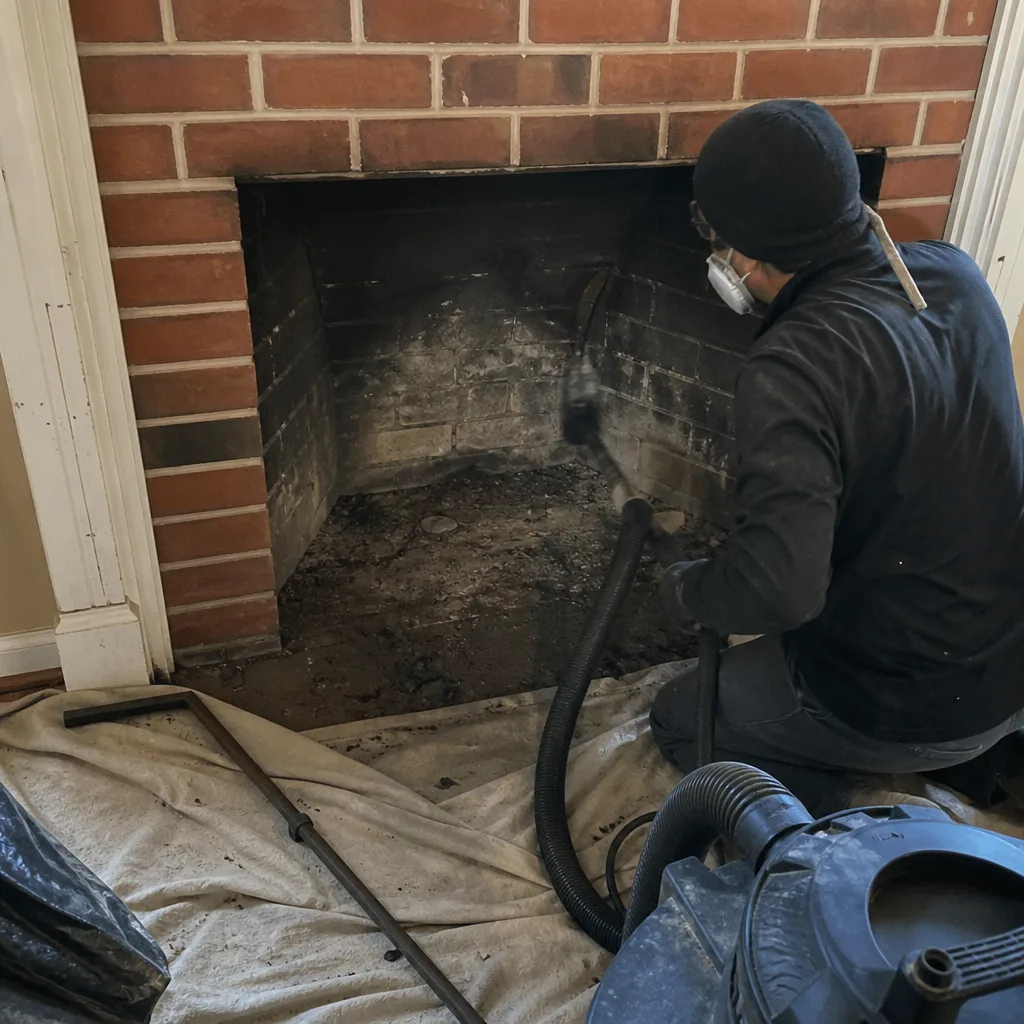 Before
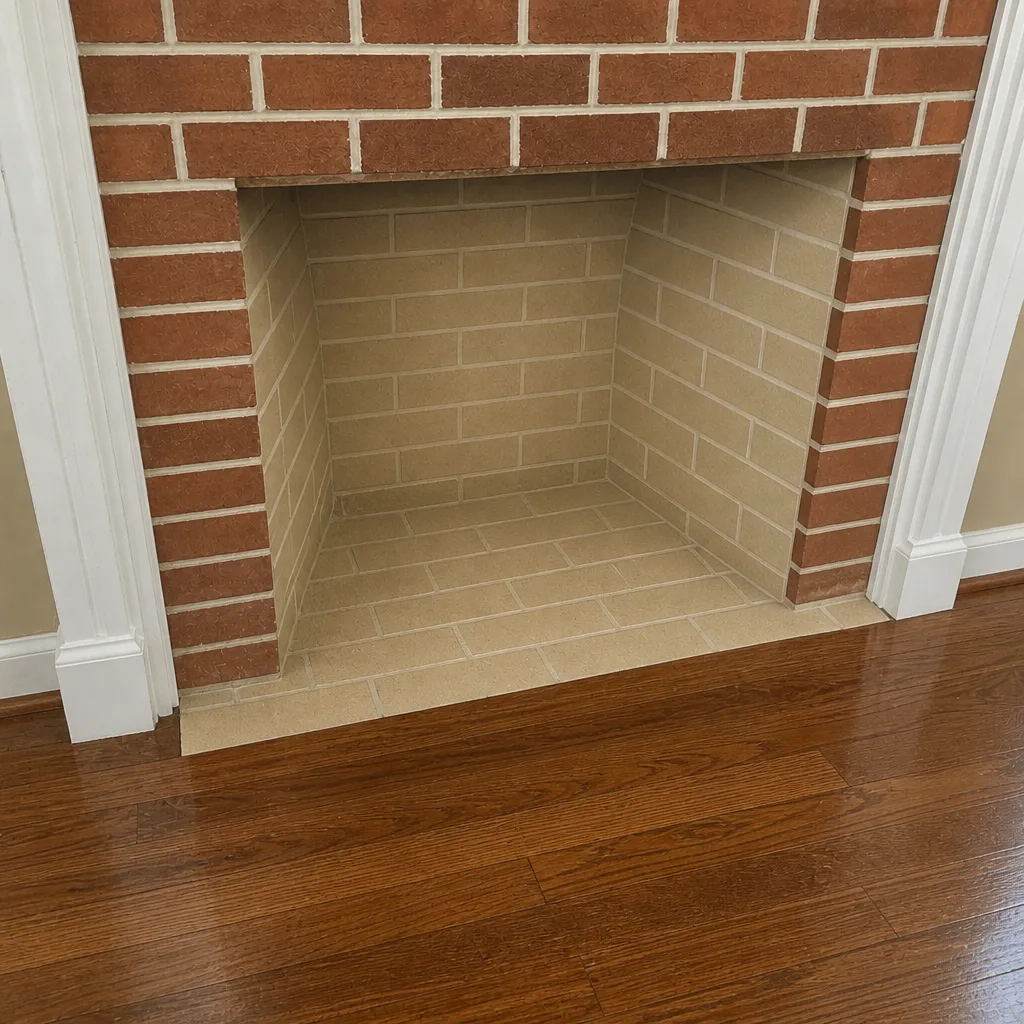 After
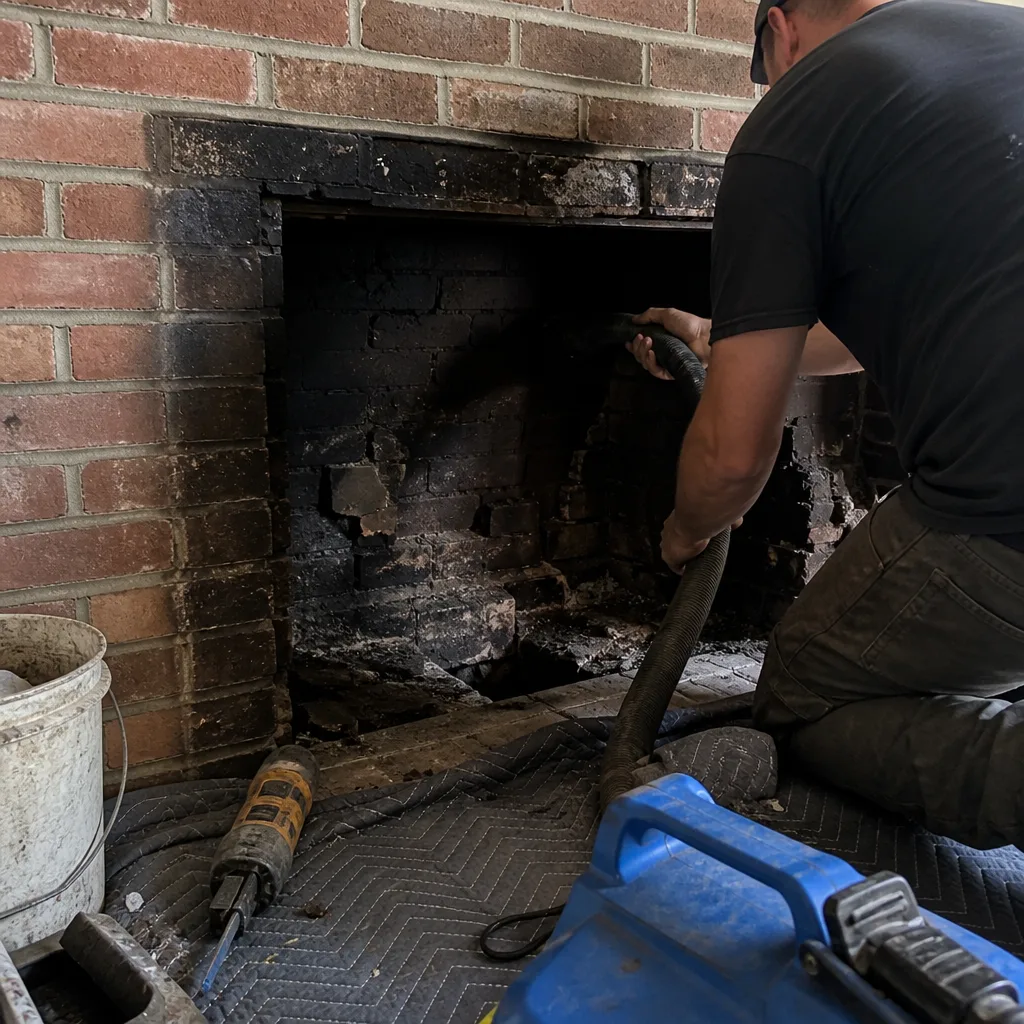 Before
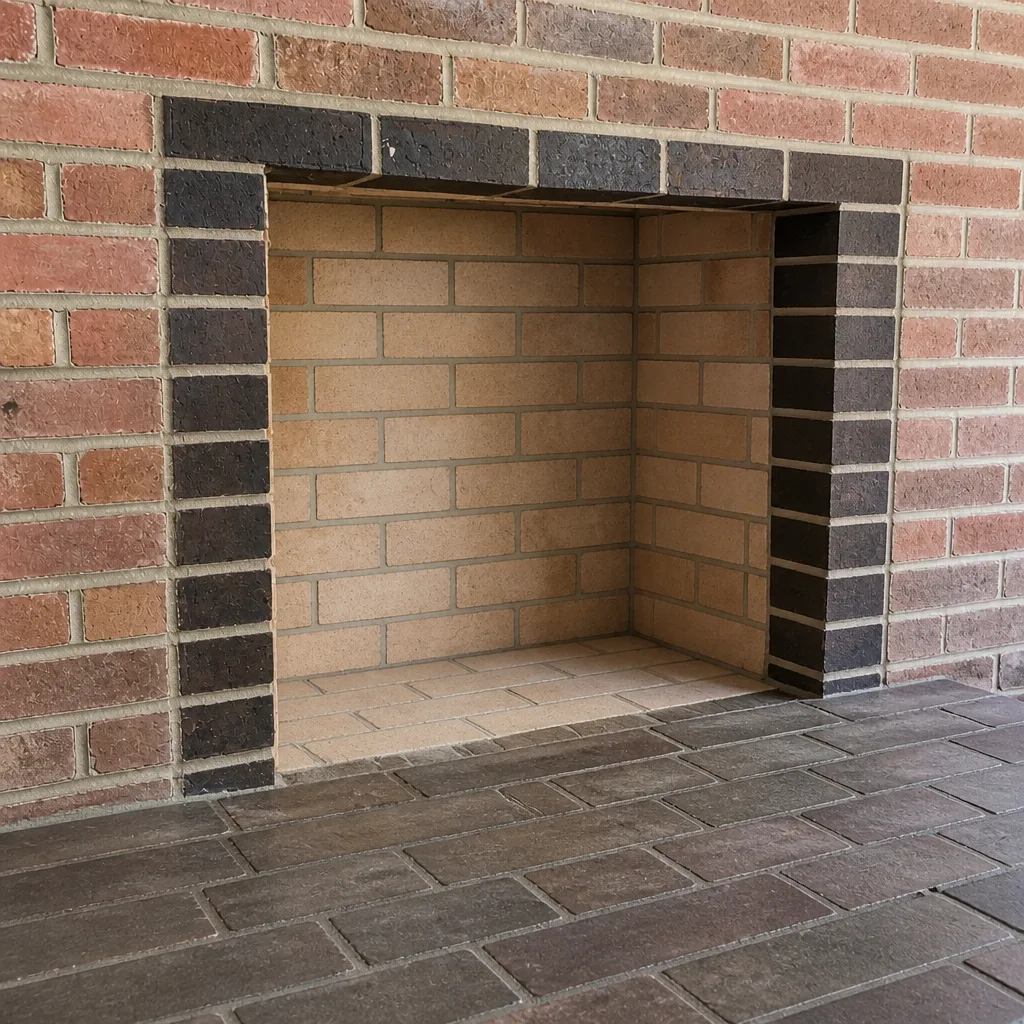 After
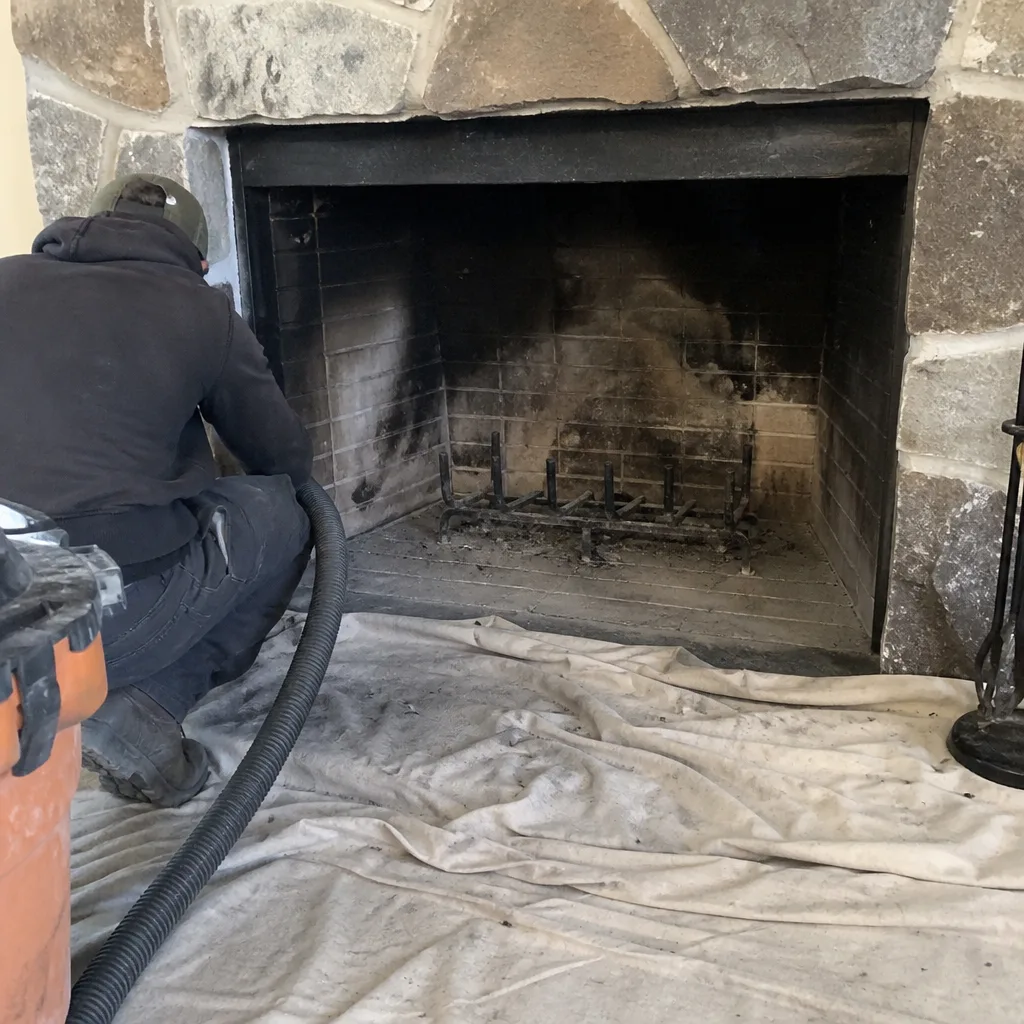 Before
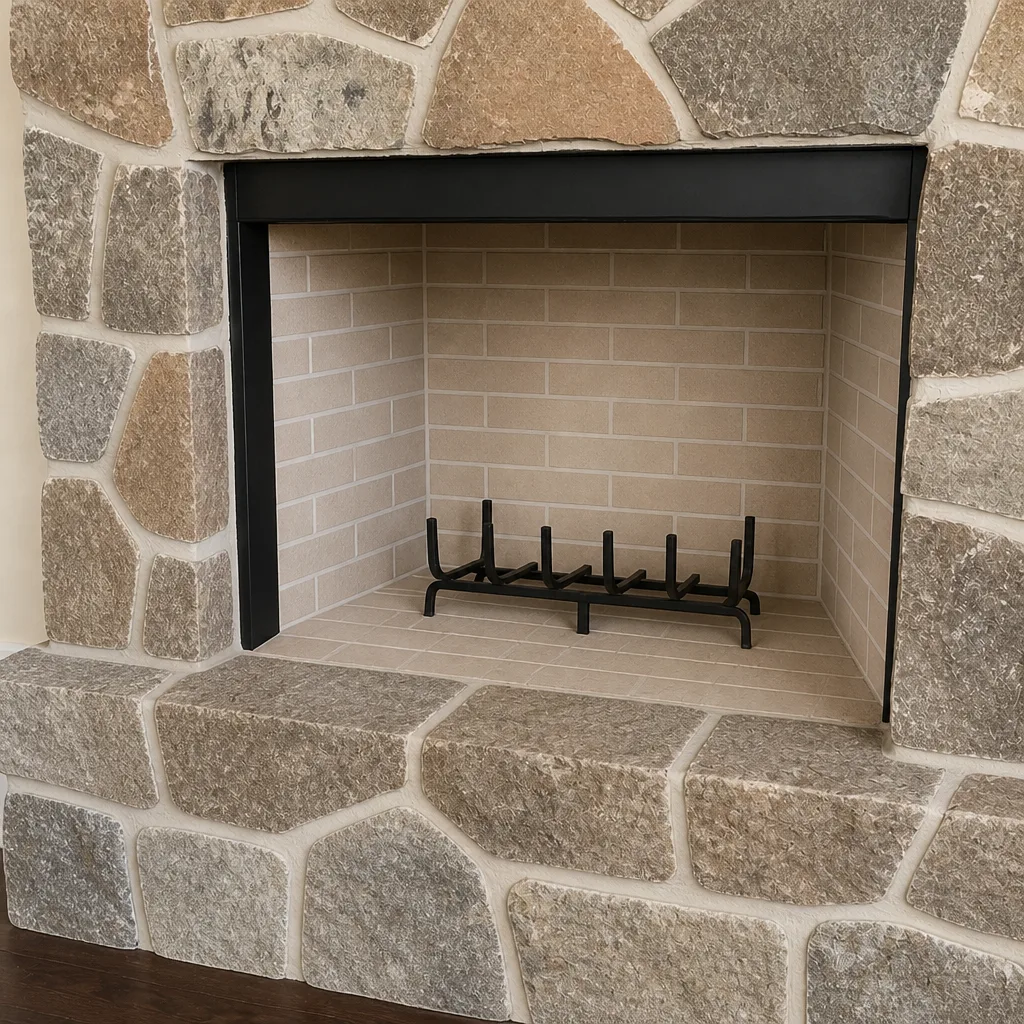 After