
Last updated November 16, 2026
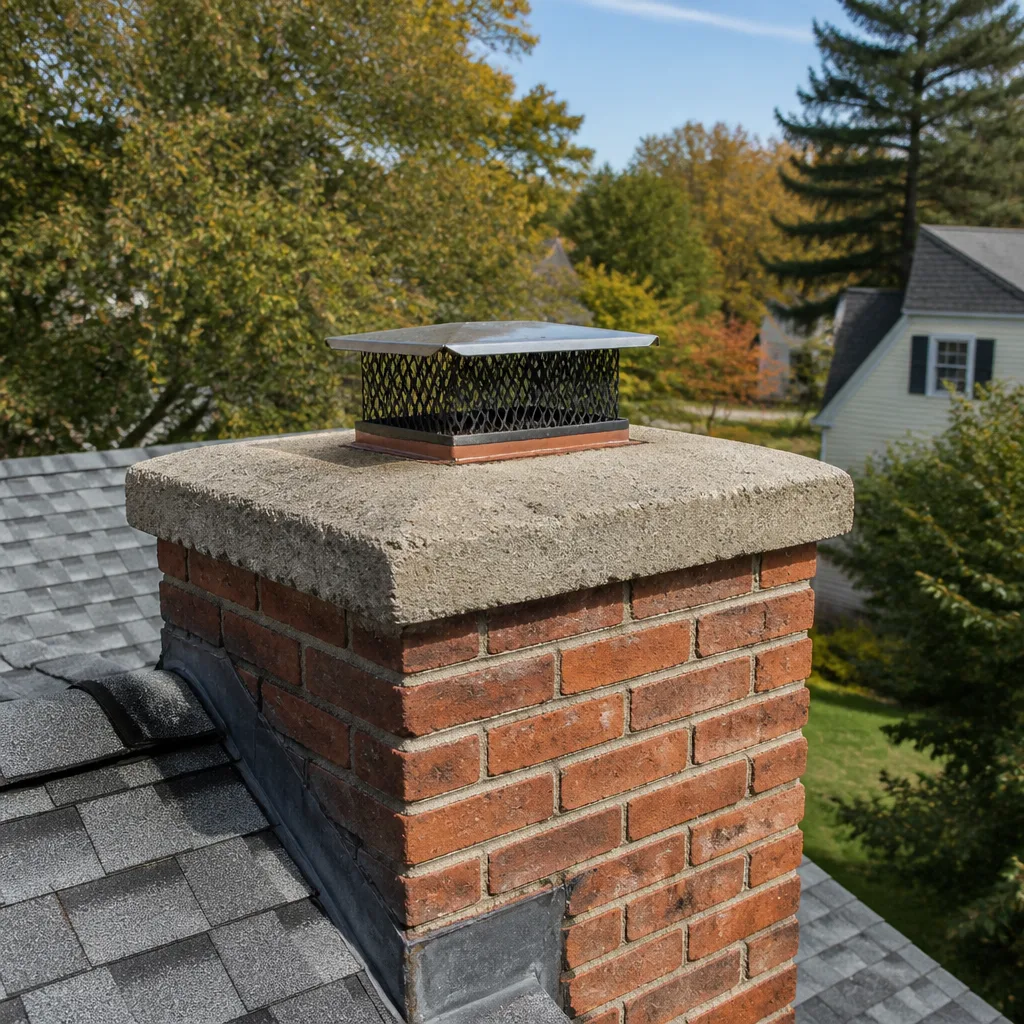 Sweep & inspection
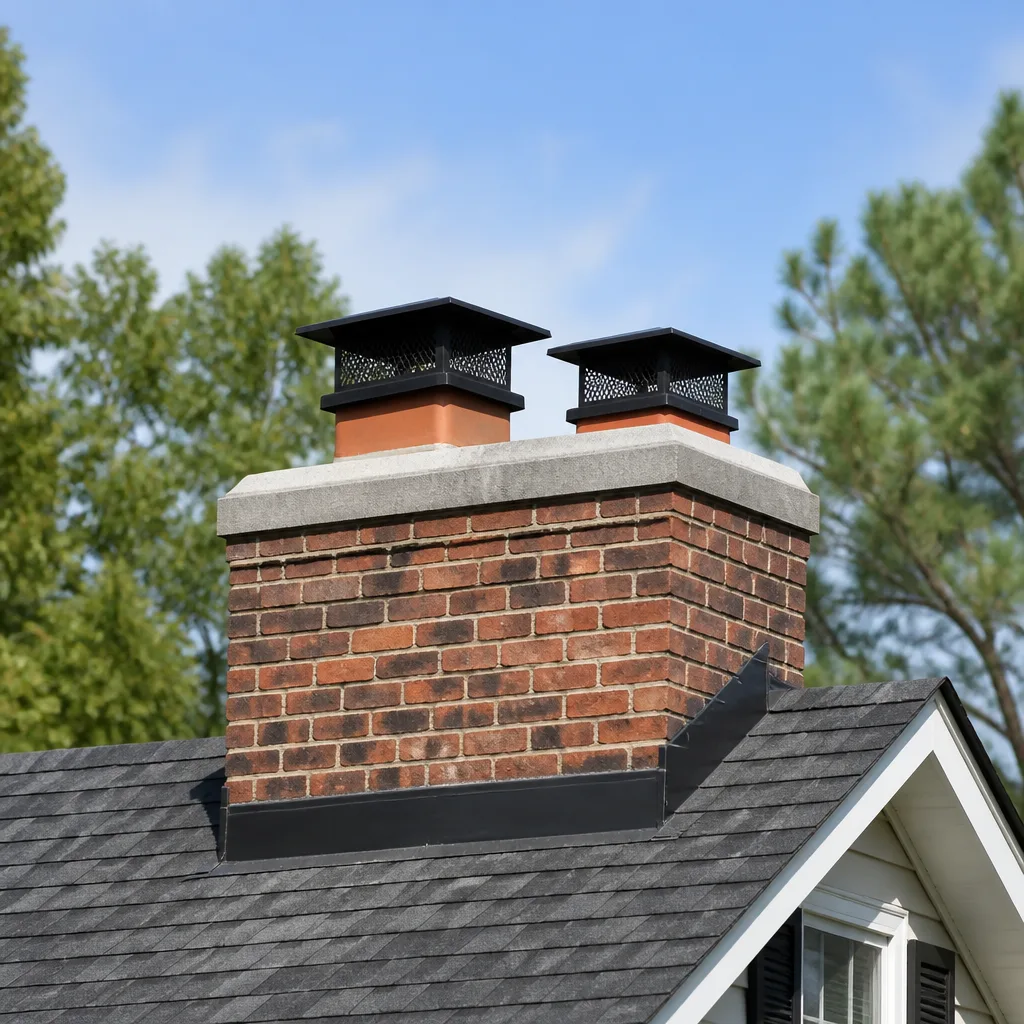 Caps & crowns
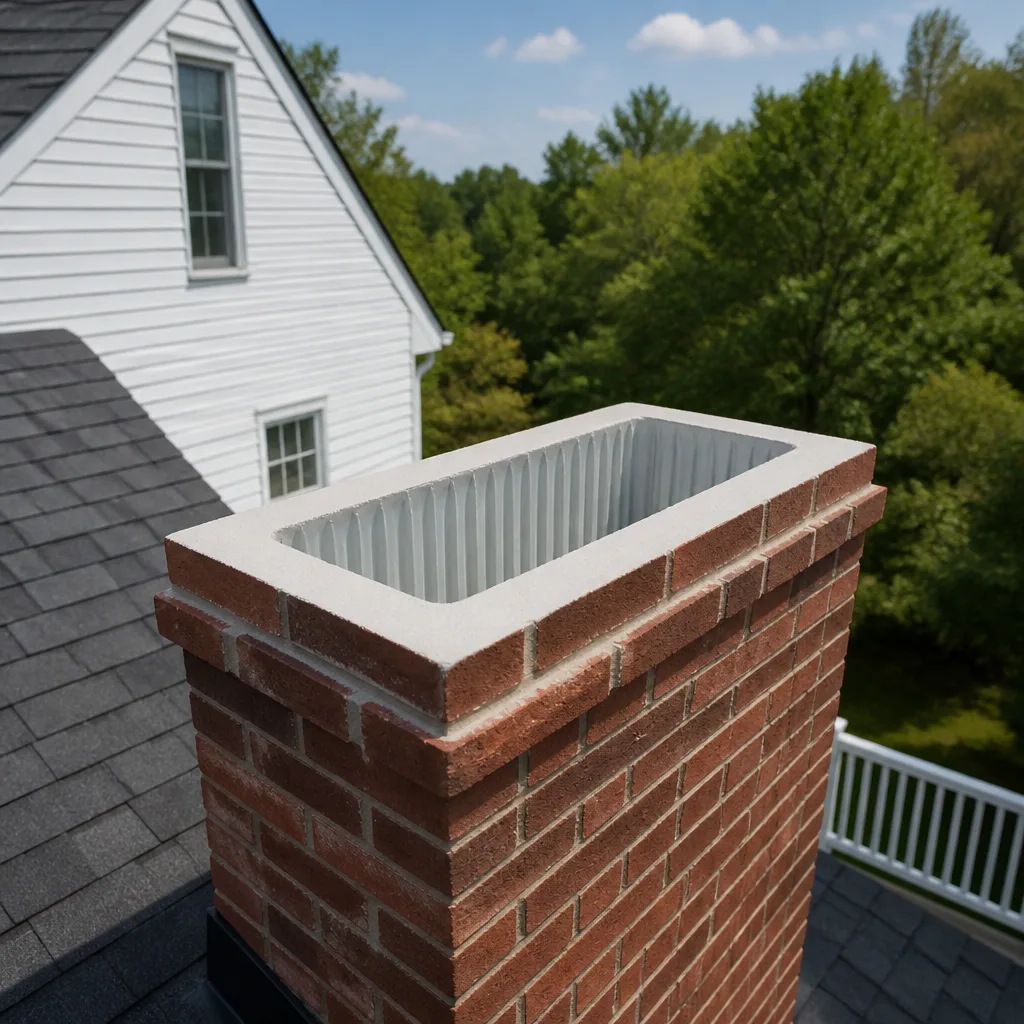 Flue relining
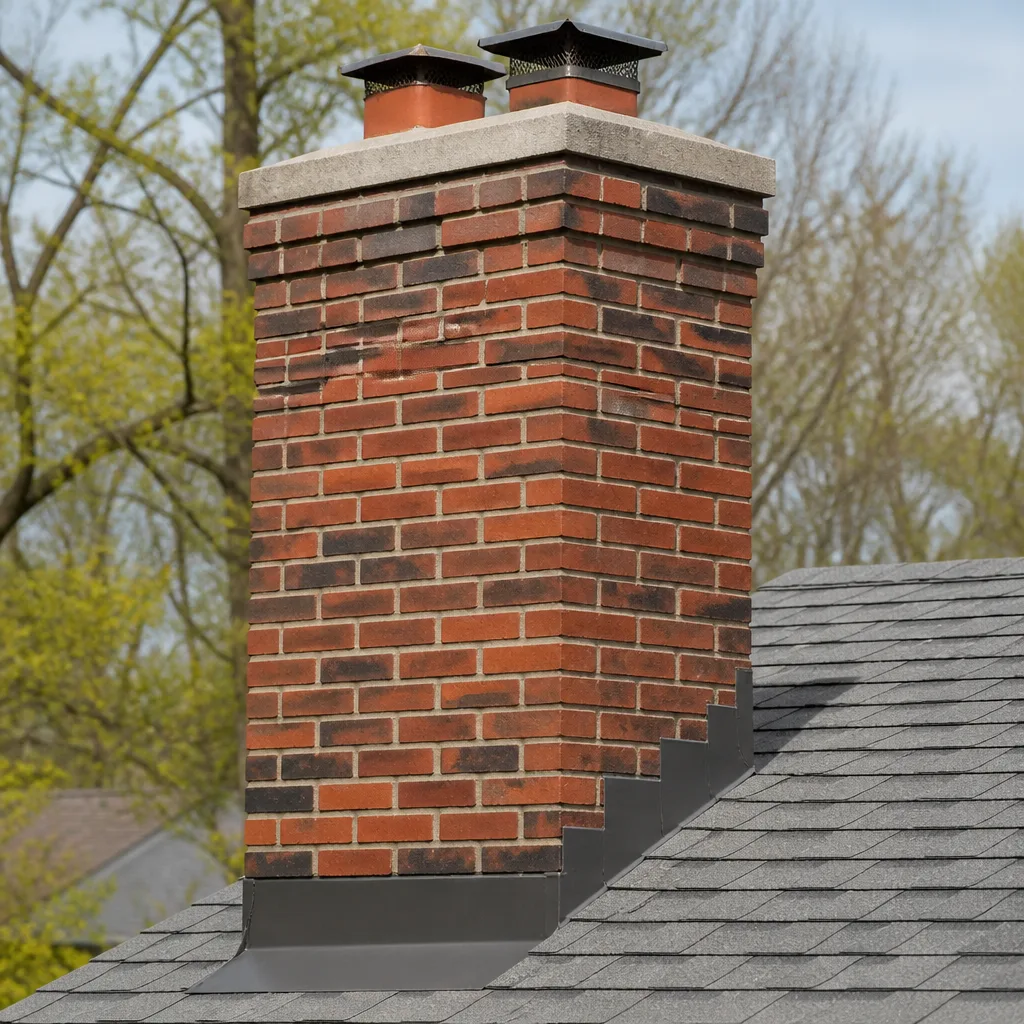 Masonry repair
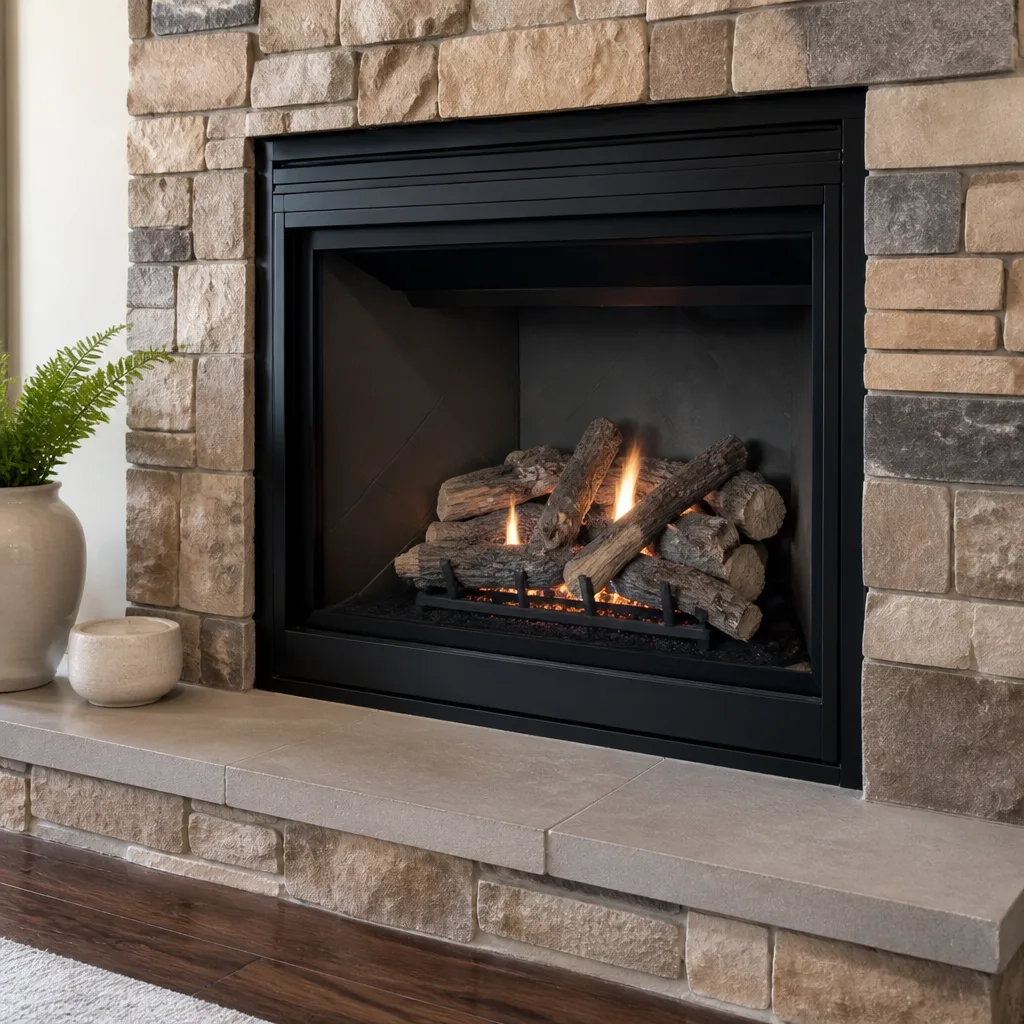 Gas fireplace service
Level 1 sweep and inspection to the NFPA 211 annual standard - flue, crown, cap, and flashing checked and photographed
Chimney sweep logs do not sweep chimneys. They loosen some creosote - which then falls where a brush and vacuum still have to collect it.
Chimney Sweep Troubleshooting in Hampton: Common Problems and How to Fix Them
If your fireplace smokes into the room every time you light it, the instinct is to call for a sweep. But a dirty flue is only one of six possible causes, and cleaning the wrong problem wastes money while the real issue stays exactly where it was. Smoke rollback, a lazy fire, a cold draft coming down when nothing’s burning, a smell that shows up in July – each symptom points to a different mechanical cause. This guide treats troubleshooting as a diagnostic process. By the end, you’ll know how to sort a Hampton chimney problem into one of three buckets – structural, draft-related, or accumulation-related – before anyone climbs onto your roof.
Quick Answer
Most chimney problems in Hampton fall into three categories: accumulation (creosote and soot narrowing the flue), draft failure (negative pressure, a blocked or wrong-sized cap, or a flue that’s too cold to pull), and structural failure (cracked liner, failing mortar joints, a damaged crown). The symptom tells you which one you’re dealing with. Smoke rollback usually means a draft or pressure problem, persistent odor usually means creosote or moisture, and slow draw can be any of the three. A camera inspection is what separates a guess from a diagnosis.
Styles & brands we work with
- Sweep & inspection
- Caps & crowns
- Flue relining
- Masonry repair
- Gas fireplace service
Table of Contents
- Symptom-to-Cause Map: What Your Fireplace Is Telling You
- Structural, Draft, or Accumulation: Sorting the Problem First
- Why Smoke Comes Into the Room (and What Actually Fixes It)
- What Hampton’s Humidity Does to Mortar Joints and Liner Seals
- Persistent Chimney Odor: Creosote, Moisture, or Something Else
- What You Can Safely Check Yourself vs. What Needs a Camera
- Why Skipping the Diagnostic Step Causes Repeat Problems
- Liner Materials and Why They Matter to the Fix
Symptom-to-Cause Map: What Your Fireplace Is Telling You
A chimney doesn’t fail silently. It gives you a symptom first, and that symptom is a pointer. The trouble is that most homeowners describe everything as “the fireplace acting up,” which tells a technician almost nothing. Learning to describe what you’re actually seeing is the single most useful thing you can do before you call anyone in Hampton.
Here’s how the common symptoms line up against their likely causes:
- Smoke rolling back into the room on light-up: usually a draft problem – negative pressure in the house, a cold flue, a flue that’s undersized for the firebox opening, or a blocked cap. Less often a heavy creosote load restricting flow.
- Slow, lazy draw once the fire is going: could be accumulation (a narrowed flue), a partially blocked cap or spark screen, or a flue that’s the wrong size for the appliance.
- Smell when the fireplace isn’t in use: creosote off-gassing in warm weather, moisture in the flue, or a downdraft pushing air back down the chimney.
- Downdraft (cold air pouring down when nothing’s burning): pressure imbalance, a flue taller than the pressure zone it sits in, or a missing or wrong cap.
- Water staining on the firebox or smoke chamber: a failed crown, cracked flashing, or a missing cap letting rain straight in.
- Crumbling material falling onto the damper: deteriorating mortar joints in the flue or smoke chamber – a structural symptom that a brush will not fix.
Notice that only one of these six is genuinely a cleaning problem. That’s the core of troubleshooting: you match the symptom to the cause before you decide what the fix is. A crew that shows up and brushes without asking which symptom brought you here is answering a question you didn’t ask.
Structural, Draft, or Accumulation: Sorting the Problem First
Before any work starts, every chimney problem sorts into one of three buckets. Getting the bucket right is the whole job. If you’re in Hampton and you can name the bucket, you already know roughly what the fix looks like and what it should cost.
Bucket 1: Accumulation
Creosote and soot build up on the flue walls with every fire. Soot is powdery and easy to brush. Creosote is the problem child: it starts as a flaky deposit, moves to a sticky tar-like stage, and in its hardest form becomes a glazed, glassy layer that a standard brush skips right over. Accumulation problems respond to cleaning – but the glazed stage often needs a chemical treatment first, not just brushing. If your only symptom is a slow draw and you burn a lot of wood, this is where you probably land.
Bucket 2: Draft Failure
Draft is physics. A chimney pulls because hot gas is lighter than cold air, and it pulls harder when the flue is warm, correctly sized, and the house isn’t fighting it. Modern homes are tight, and tight homes create negative pressure that pulls air down the chimney instead of up. Bathroom fans, kitchen exhaust, a furnace sharing the same air, an open basement window – all of these compete with your flue. A draft problem is not solved by cleaning. It’s solved by fixing the pressure balance, the cap, the flue sizing, or the way the fire is being lit.
Bucket 3: Structural Failure
Cracked flue tiles, deteriorating mortar joints, a spalling crown, failed flashing, a rusted damper. Structural problems are the ones that create real risk, because a cracked liner lets heat and carbon monoxide move into places they don’t belong. A brush makes a structural problem worse by knocking loose material free. This is the bucket where a camera inspection isn’t optional. If you’ve ever had a sweep who “found nothing” and left without a camera, in our experience that’s a structural problem that hasn’t been looked for yet.
Naming the bucket is also how you decide whether to wait. Accumulation and mild draft issues can often be scheduled without urgency. A structural problem that involves heat or gas moving where it shouldn’t is different – that’s the one you don’t put off through a Hampton winter.
Why Smoke Comes Into the Room (and What Actually Fixes It)
Smoke rollback is the symptom homeowners describe most often, and the one most often misdiagnosed. The fire is burning, but instead of going up the flue, the smoke spills out the front of the firebox into the room. The instinct is that the chimney must be blocked or dirty. Sometimes it is. Usually it isn’t.
Here’s the diagnostic order we work through, and the order you can think through too:
- Is the flue warm? A cold flue has no draft. The fire starts, the smoke has nowhere to go because the column of air in the chimney is cold and heavy, and it comes back into the room. A pre-warmed flue (a rolled newspaper held near the damper, not a fire) often fixes a cold-start rollback entirely.
- Is the house under negative pressure? Turn off the kitchen exhaust, the bathroom fans, and anything else pulling air out of the house. Crack a window near the fireplace. If the smoke suddenly goes up, you’ve just proven a pressure problem – and the fix is about balancing the house, not cleaning the flue.
- Is the flue the right size for the firebox? A firebox with a wide opening and a flue that’s too small will roll smoke on light-up every time, no matter how clean it is. This is a sizing problem, sometimes fixable with a smoke guard at the opening.
- Is the cap blocked? A spark screen full of soot, a bird’s nest, or a collapsed cap can choke the top of the flue. This is a visual check at the roofline.
- Is the flue narrowed by accumulation? Heavy creosote closes the flue down until the fire can’t pull. A camera or a sweep will confirm this one.
- Is there a structural problem above the damper? A damaged smoke chamber, a broken baffle, a cracked flue tile right above the firebox. This is the one you cannot see without a camera.
You can safely check items one, two, and four yourself. Items three, five, and six need someone on the roof and a camera in the flue. Sorting this order before you call means you can tell whoever you hire exactly what you’ve already ruled out, and a serious technician will appreciate it – it’s a shortcut straight to the real problem.
For a full explanation of what a proper cleaning visit involves, our chimney sweep page covers the process end to end.
What Hampton’s Humidity Does to Mortar Joints and Liner Seals
Hampton sits in a humid climate, and that humidity is a slow-acting problem for chimney systems. It’s not dramatic and it doesn’t announce itself. It just wears down the materials that hold the chimney together, one season at a time, and it changes which failure modes you’re most likely to see here compared to a drier part of the state.
Two things happen in humid air. First, moisture works its way into mortar joints and expands and contracts with temperature swings. Over enough cycles, the joint crumbles. On a masonry chimney that shows up as a spalling crown and loose material at the top of the flue. Second, moisture sitting in a flue that isn’t getting regular fires mixes with creosote deposits and turns them acidic. That acidic mix eats at the same mortar joints from the inside. The result is a chimney that looks fine from the driveway and is quietly failing in the parts you can’t see.
This matters for troubleshooting because it shifts the odds. In Hampton, a structural problem is more likely to be hiding behind a “minor” symptom than it would be in a dry climate. A slow draw or a flue that sounds hollow when tapped can be the first sign of a crumbling joint rather than a creosote problem, and only a camera inspection tells you which.
It also makes one small piece of maintenance worth more than it looks: the cap. A properly fitted cap keeps rain and animals out of the flue, and in humid Hampton weather that’s the difference between a flue that dries between fires and one that stays damp. If your chimney has no cap, that’s a cheap fix with real diagnostic value – capped flues fail more slowly. Cap and venting products from Gelco and Famco are the kind of thing we work with for exactly this reason.
The seasonal rhythm matters too. Chimneys in Hampton get long stretches of disuse in the warm months, followed by heavy use in the cold ones. A flue that sat damp all summer and then gets a fire is a flue that’s being stressed at the joints. That’s why we suggest inspecting before burning season, not after the first smoke problem shows up. Down in the older parts of town, the Hampton housing stock has plenty of chimneys that have been through decades of this cycle, and they show it.
Persistent Chimney Odor: Creosote, Moisture, or Something Else
A chimney that smells when there’s no fire in it is one of the most common calls we get in the warmer months. The smell is usually described as smoky, sour, or like a campfire that never quite went out. Direct answer: a persistent chimney odor is almost always either creosote off-gassing in warm air, moisture trapped in the flue, or a downdraft pushing stale air back into the house. Each has a different fix.
- Creosote smell. Creosote that builds up during the heating season releases volatile compounds when the weather warms and the house pressure changes. It’s stronger on humid days, which is why Hampton summers bring it out. The fix is a proper cleaning – and if the creosote has reached the glazed stage, a chemical treatment so the deposit actually comes off the flue wall instead of staying put.
- Moisture smell. Damp, musty, or earthy. This points at water getting in – a missing cap, failed flashing, or a crown that’s letting rain run down the flue. Cleaning won’t fix it. The water has to be shut off first.
- Downdraft smell. Smells like the outside, or like an old ashtray that’s been stirred up. This is air coming back down the chimney because the house is pulling it that way. A top-sealing damper or a cap change often solves it.
One important distinction for troubleshooting: a smell that shows up when the fireplace is running and goes away when it’s off is a combustion or draft problem, not an odor problem, and it needs a camera inspection before anything else. A smell that shows up only when the fireplace is off is the summer-odor case above. Get the timing right and you’ve already narrowed the cause.
If you’re not sure which one you’re dealing with, don’t guess. A quick inspection tells you whether the fix is a cleaning, a cap, or a repair – and that’s the difference between spending money on the right thing and spending it twice.
What You Can Safely Check Yourself vs. What Needs a Camera
There’s a real line between what a homeowner can check safely and what’s genuinely dangerous. Chimneys are one of those systems where the components that fail most dangerously are the ones hidden behind a wall or above your roofline. Here’s where the line sits.
Safe to check yourself
- The cap and spark screen, from the ground or with binoculars. Look for missing caps, bent or clogged screens, or a cap that’s come loose after a storm. Don’t climb. A visual check from below tells you a lot.
- The damper. Open and close it a few times. It should move freely and sit flush when closed. A damper that’s stuck open or closed is a safe DIY observation.
- The firebox and smoke shelf. Shine a flashlight up from the firebox with the damper open. Look for obvious cracks, loose material, or heavy buildup. Don’t reach up into the flue.
- The exterior of the chimney from the ground. Look for leaning, loose bricks, white staining (a sign of water), or a crown that looks cracked.
- Draft behavior. The pressure test above – fans off, window cracked, watch the smoke – is safe and tells you whether draft is part of the problem.
Not safe to check yourself – needs a camera and a trained technician
- The inside of the flue. A camera inspection is the only way to see cracks in flue tiles, gaps in mortar joints, or a blockage above eye level. Don’t try to look with a mirror and a flashlight from below.
- The roof and crown. Chimneys are a fall hazard and the crown and flashing are easy to damage further by walking on them. Never climb.
- Any work on a gas appliance or its venting. Gas venting is a carbon monoxide risk and needs a trained professional, full stop.
The short version: you can safely gather symptoms, and that’s genuinely useful. You cannot safely inspect the flue itself. A camera inspection is what turns your symptoms into a diagnosis, and if you’ve had a sweep who skipped the camera, you haven’t had a real diagnosis. If you’ve already got a symptom in hand and want an expert read on it, our Chimney Sweep Hampton team can take the information you’ve gathered and turn it into a plan.
Why Skipping the Diagnostic Step Causes Repeat Problems
The most common failure in chimney troubleshooting isn’t a bad fix. It’s a fix aimed at the wrong problem. When a generalist or a side-service sweep treats every chimney call as a cleaning, they brush the flue, hand you a bill, and the next fire rolls smoke into the room exactly like before. You call again, they brush again, and nothing changes. That cycle is entirely avoidable.
Here’s what the diagnostic step catches that a brush doesn’t:
- A cracked liner behind the creosote. Brush the creosote off and the crack is revealed – but by then the sweep may have already told you the chimney was “clean and fine.” The real cause of the slow draw was a heat leak through the crack.
- Failing mortar joints in the smoke chamber. This is where the flue transitions above the damper, and it’s the one spot a brush never reaches. Deteriorating joints there cause draft trouble and let gas move where it shouldn’t.
- Negative pressure the cleaning can’t touch. If the cause is the house, brushing the flue doesn’t fix the house. The rollback continues because no one checked the pressure.
- A cap failure or a missing cap letting water in. Cleaning a damp flue removes the deposit but doesn’t keep the next rain out. The odor returns.
The fix is simple: the diagnostic step has to come before the cleaning, not after. A camera inspection and a look at the cap, crown, and smoke chamber should happen on the first visit, so the cleaning and any repair are aimed at the actual problem. That’s the full loop – sweep, inspect, repair, handled together. When you’re dealing with a symptom that hasn’t responded to a cleaning, our chimney repair service is built around this diagnostic order, and we’ll tell you plainly when a problem is minor enough to wait or serious enough to address now.
This is also where the trade-level product knowledge matters. A sweep who only carries a brush can clean but can’t fix. A sweep who works with a curated set of professional-grade brands – DuraFlex liner systems, HeatShield resurfacing, Copperfield and Olympia Chimney components – can match the fix to the system instead of recommending the one thing they happen to stock.
Liner Materials and Why They Matter to the Fix
The reason materials come up in a troubleshooting guide is that the fix has to be matched to the system. A crack in a flue tile isn’t fixed with the same product as a deteriorating mortar joint, and a full relining job is a different scope than a resurfacing job. Knowing the difference keeps you from being sold the wrong thing, and it keeps the fix from failing in a few years.
Two distinct approaches cover most structural fixes in Hampton:
- Resurfacing. When the flue tiles are intact but the mortar joints between them are deteriorating, HeatShield is applied to the flue wall to seal the joints and restore a smooth, continuous surface. This addresses the exact failure mode that humid air accelerates in Hampton, and it avoids the cost and disruption of a full liner replacement. It’s not a fit for every crack, though – a compromised tile can’t be resurfaced away.
- Full relining. When the original flue is damaged beyond resurfacing, or when the flue is the wrong size for the appliance, a new liner is installed. DuraFlex is the stainless liner system we work with, and it’s used for complete relining projects. This is the fix for a flue that is genuinely failing rather than just dirty.
The rest of the system matters too. Caps and venting components from Gelco and Famco protect the flue from water and animals, Olympia Chimney covers a range of the hardware that holds the system together, and Copperfield covers another part of the product roster. We name the materials we use because that’s how you can tell what the fix actually is. A “repair” with no named product is a repair you can’t verify.
The diagnostic step is what chooses between these paths. A camera inspection tells you whether the flue is intact, resurfacing-ready, or in need of full relining – and a technician who knows all three options can recommend the right one instead of the one they happen to have on hand. Our technicians have up to 9 years of experience reading what a camera shows and matching it to the right approach.
Common Mistakes to Avoid
- Calling for a sweep when the problem is draft. If the smoke rolls back on light-up and stops when you crack a window, cleaning the flue won’t fix it. The pressure balance needs to be addressed, and only a diagnostic step will tell you that.
- Accepting a cleaning without a camera inspection. A brush can’t see a cracked liner or a failing smoke chamber. If no one put a camera in the flue, the visit didn’t diagnose anything – it just cleaned.
- Ignoring summer odor as “the house settling.” A smell that shows up every warm season is a creosote or moisture signal. In Hampton’s humid climate, that same moisture is what accelerates the mortar joint failure, so the smell is often an early warning rather than a minor annoyance.
- Letting a glazed creosote layer pass as clean. A standard brush skips glazed creosote entirely. A flue that “looks clean” at the top can still be lined with a hard layer that restricts flow and won’t come off without a chemical treatment first.
- Climbing onto the roof to check the cap yourself. Chimneys are a fall hazard and the crown and flashing damage easily underfoot. Check the cap with binoculars from the ground and leave the roof to someone with the right setup.
- Self-inspecting a gas appliance flue. Gas venting is a carbon monoxide risk. Any work on a gas appliance’s venting needs a trained professional.
- Replacing a liner when resurfacing would do. A failing mortar joint isn’t the same as a failed tile. Hear both options before you agree to the larger job – if you’re only offered one, ask why the other doesn’t apply.
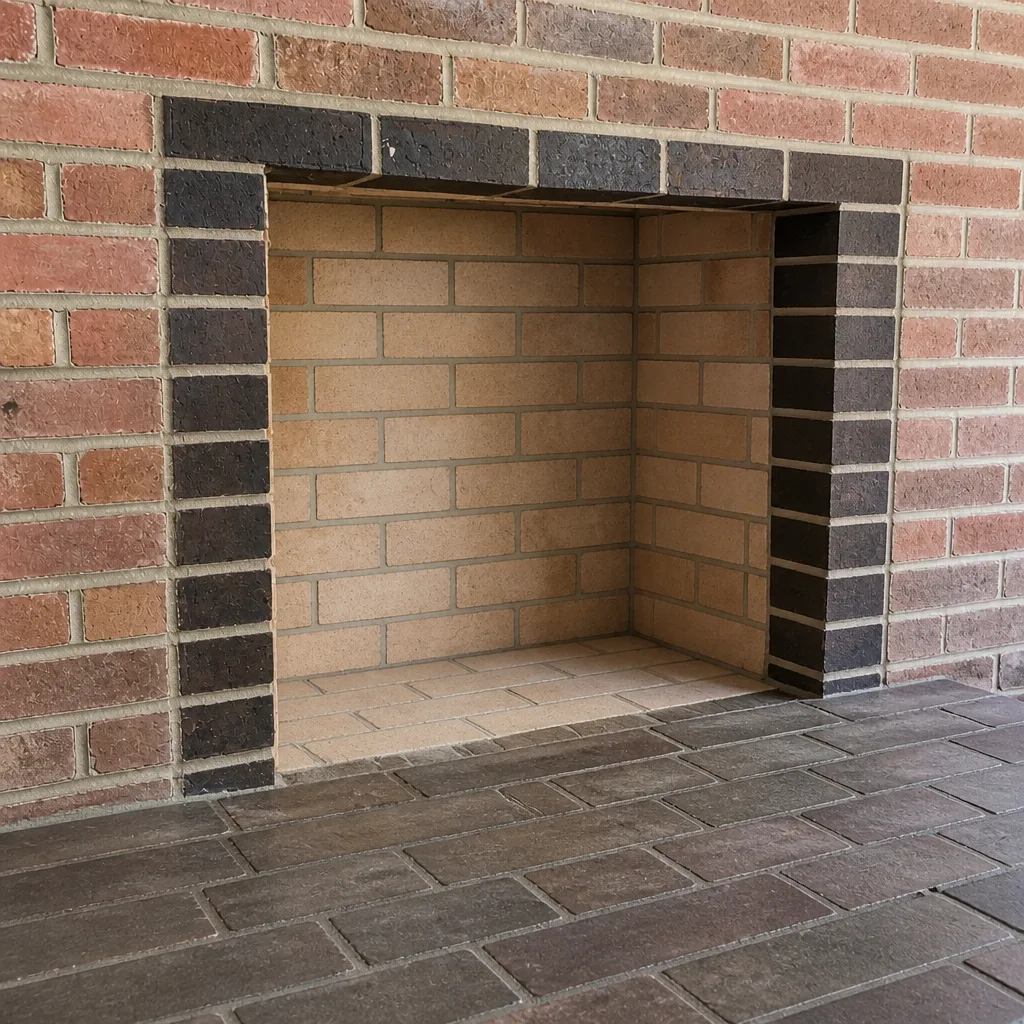
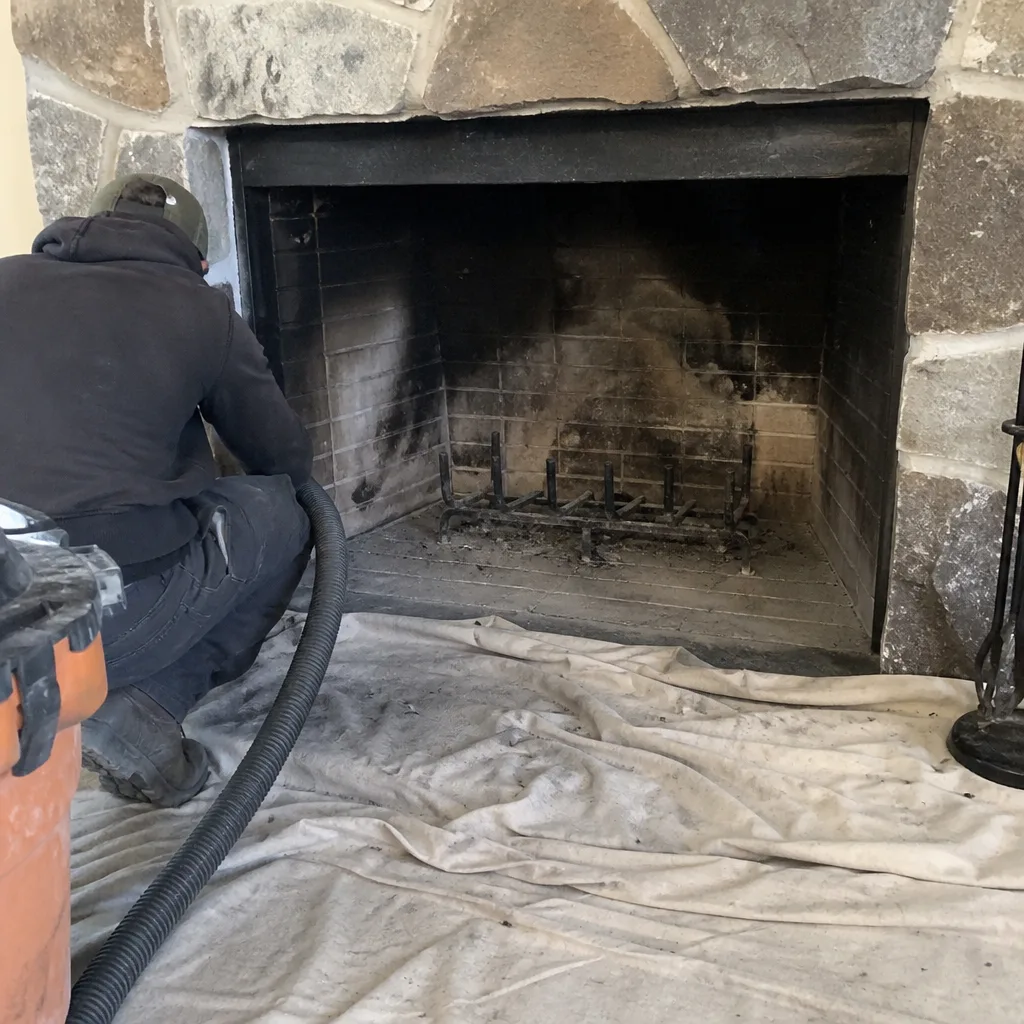
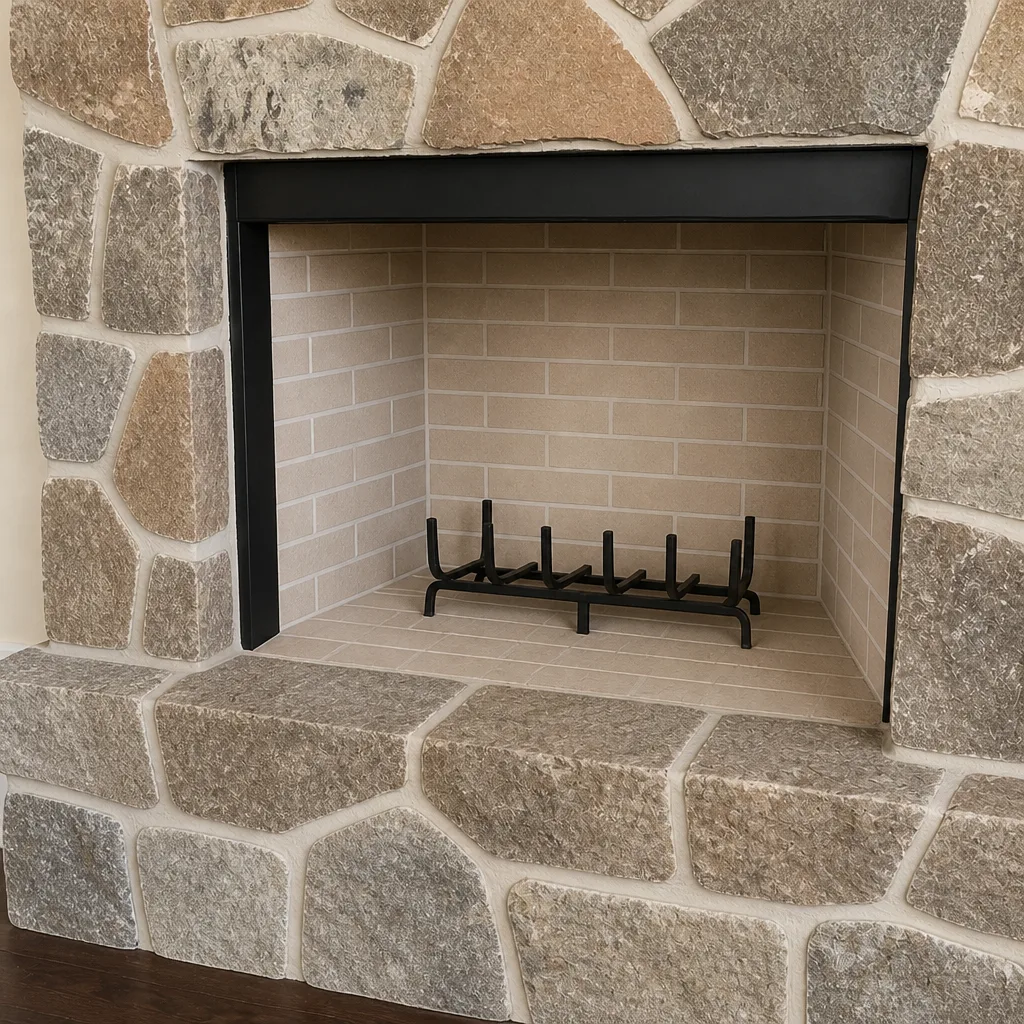
See the difference
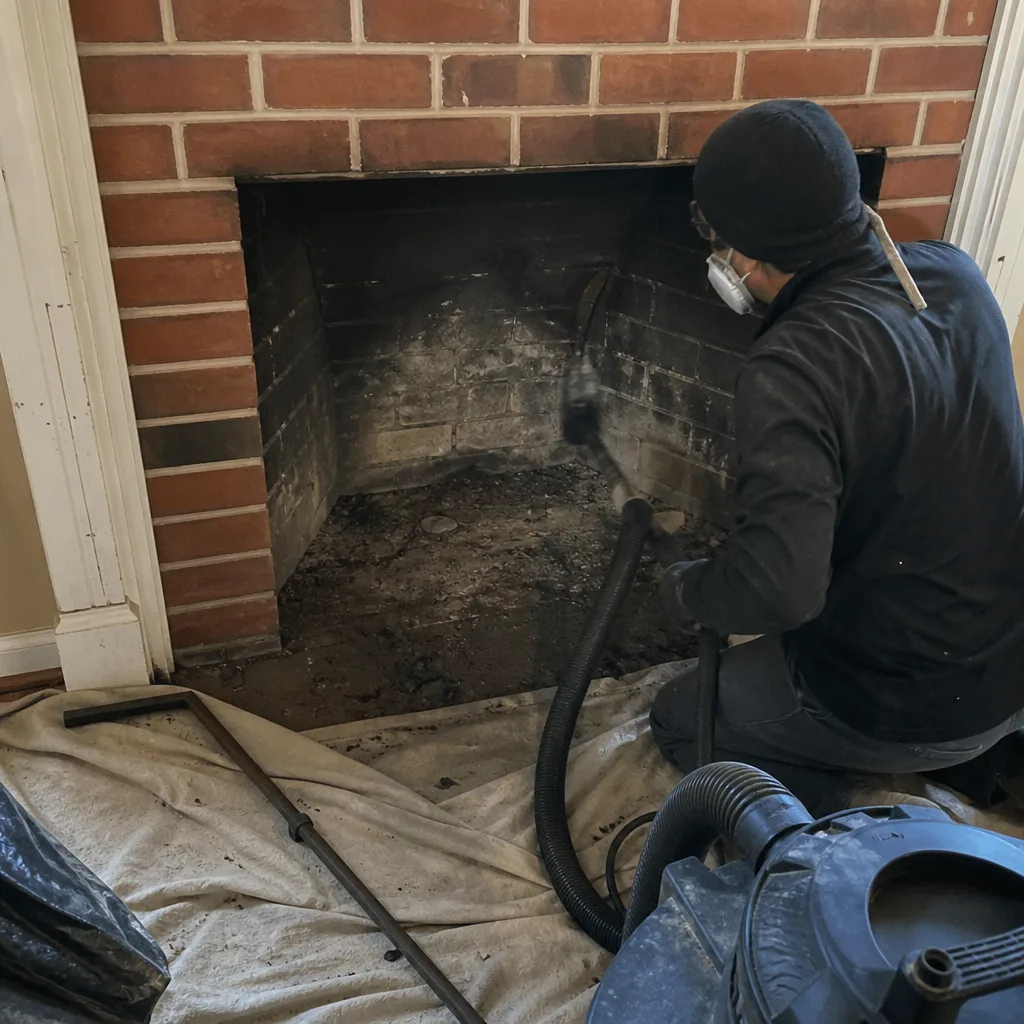 Before
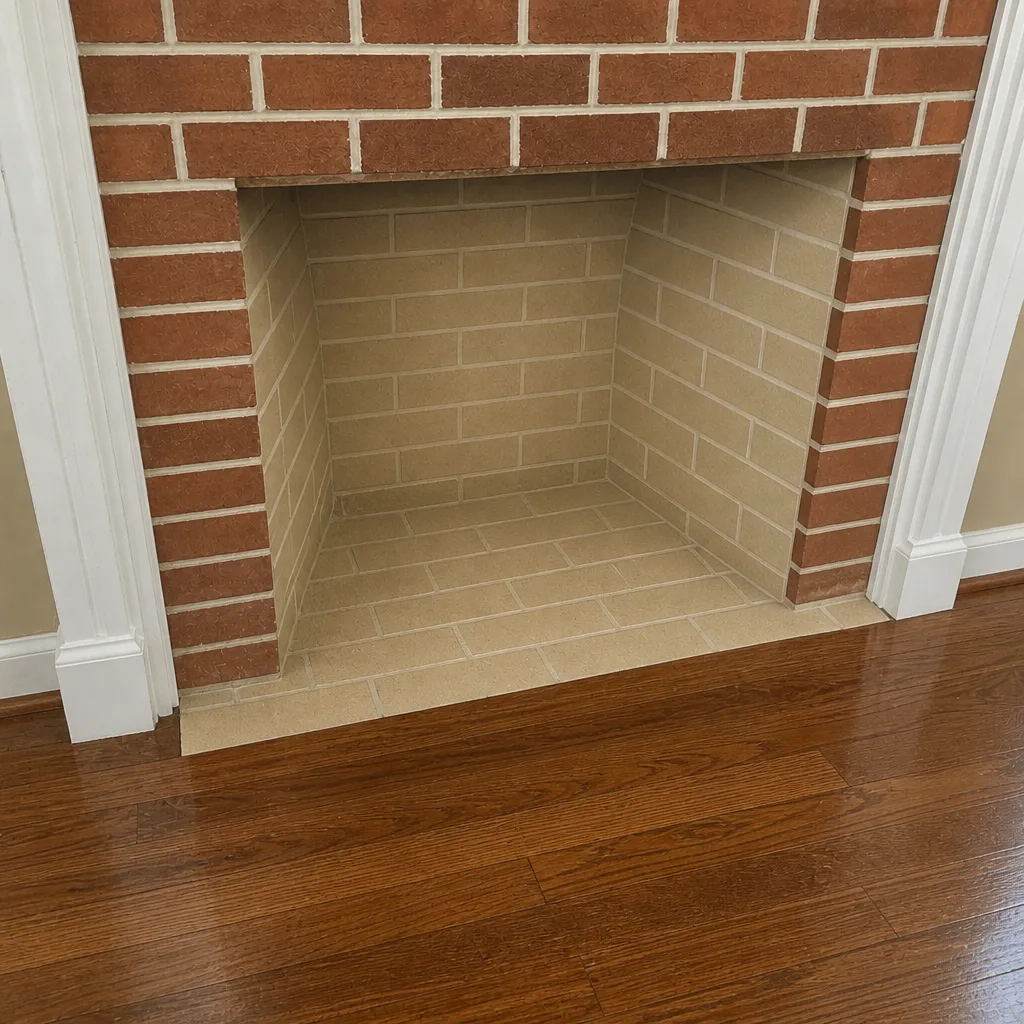 After
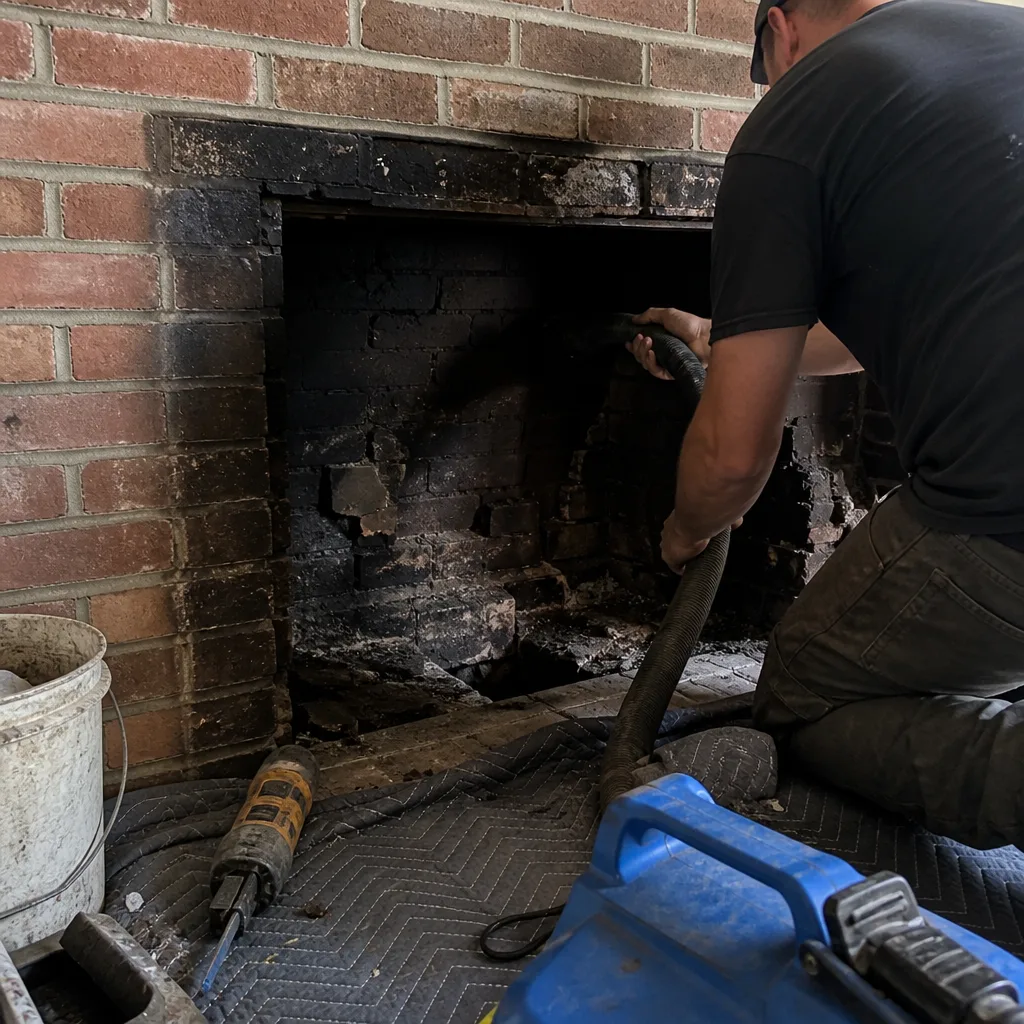 Before
 After
 Before
 After
When to Call a Professional
Some problems you can sort yourself; some need a professional on the roof with a camera in the flue. Call us when you see smoke rolling into the room on a regular basis, when a smoky or musty odor comes back every warm season, when you see loose material or water staining around the firebox, when the damper doesn’t sit flush, or when your fire has stopped drawing the way it used to. Call too if you’ve had a cleaning already and the symptom didn’t go away – that’s the clearest sign the diagnosis was missed. For gas appliances or anything you can’t see into safety, don’t investigate; call. Chimney Sweep Hampton offers free estimates in Hampton – call (833) 572-0756. We answer 24/7, and fast dispatch runs from 7am to 7pm.
Frequently Asked Questions
Smoke in the room is almost always a draft problem, not a cleaning problem. The three most common causes are a cold flue that hasn’t warmed up yet, negative pressure from kitchen or bath exhaust pulling air down the chimney, and a flue that’s the wrong size for the firebox. A blocked cap or heavy creosote can also cause it. Test the pressure first: turn off the fans, crack a window, and watch the smoke. If it goes up, you’ve found a draft cause. Call (833) 572-0756 for an exact diagnosis – estimates are free.
A chimney that smells when there’s no fire is off-gassing creosote in warm weather, holding moisture in the flue, or pulling a downdraft. In Hampton’s humid summers the creosote smell is stronger because the warm air releases the volatile compounds. The fix depends on which one it is: a cleaning for creosote, a cap or crown repair for moisture, a top-sealing damper for downdraft. A quick inspection sorts it out. Call (833) 572-0756 for an exact quote – estimates are free.
Only if the flue can’t be brought back to a safe state any other way. A deteriorated mortar joint between intact tiles is often fixable with HeatShield resurfacing, which is cheaper and less disruptive than full relining. Full relining with a DuraFlex system is the answer when a tile is compromised, the flue is the wrong size for the appliance, or the original liner is simply failing. You should hear both options, and the camera image should decide which one. Call (833) 572-0756 for an exact quote – estimates are free.
For most wood-burning fireplaces, a sweep once a year and an inspection at the same time is the right rhythm. The Hampton-specific wrinkle is that the humid climate speeds up mortar joint deterioration, so the annual inspection matters here as much as the cleaning does – it’s how you catch a structural problem while it’s still a small fix. A heavily used wood stove may need it more often. Call (833) 572-0756 for an exact quote – estimates are free.
The creosote keeps building, and if it reaches the glazed stage it’s harder and more costly to remove. More importantly, skipping the annual inspection means a cracked liner or deteriorating joint goes unaddressed through another heating season, and that’s where the real risk lives – heat and carbon monoxide moving where they shouldn’t. Nothing in your chimney should be a surprise. That’s why the camera inspection is built into every visit. Call (833) 572-0756 for an exact quote – estimates are free.
Pricing is set per job by a written estimate, so the exact figure depends on the flue, the condition, and what’s found on the camera inspection. What you can count on is that the estimate is free, the price is agreed before any work starts, and nothing is recommended without a photograph of the problem you can see for yourself. If the work can safely wait, we’ll say so. Call (833) 572-0756 for an exact quote – estimates are free.
The Bottom Line
Chimney problems are diagnosable – the symptom tells you which of the three buckets you’re in, and the camera inspection confirms it. Smoke rollback is usually draft, odor is usually creosote or moisture, and anything that looks like a slow draw with no good explanation needs the flue looked at directly. Getting the diagnosis right the first time is what keeps a small fix from becoming a repeat visit, and in Hampton’s humid climate, catching a structural problem early is what keeps the fix small. You now have the diagnostic order. Use it before you call, and use it to tell a serious technician from a brush-and-run.
Call (833) 572-0756 for a free estimate. We answer 24/7. Fast dispatch, 7am-7pm, Sunday through Friday.
Written by the team at Chimney Sweep Hampton.