
Last updated November 16, 2026
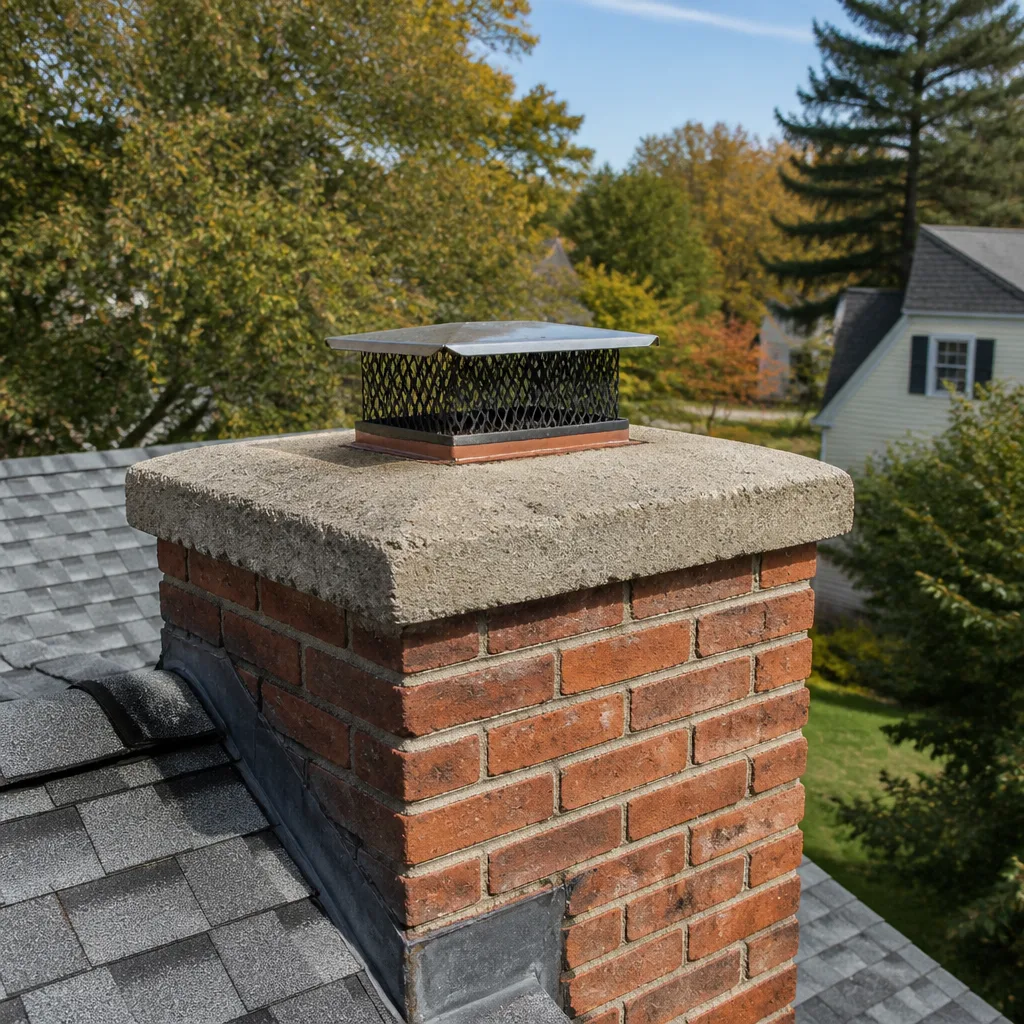 Sweep & inspection
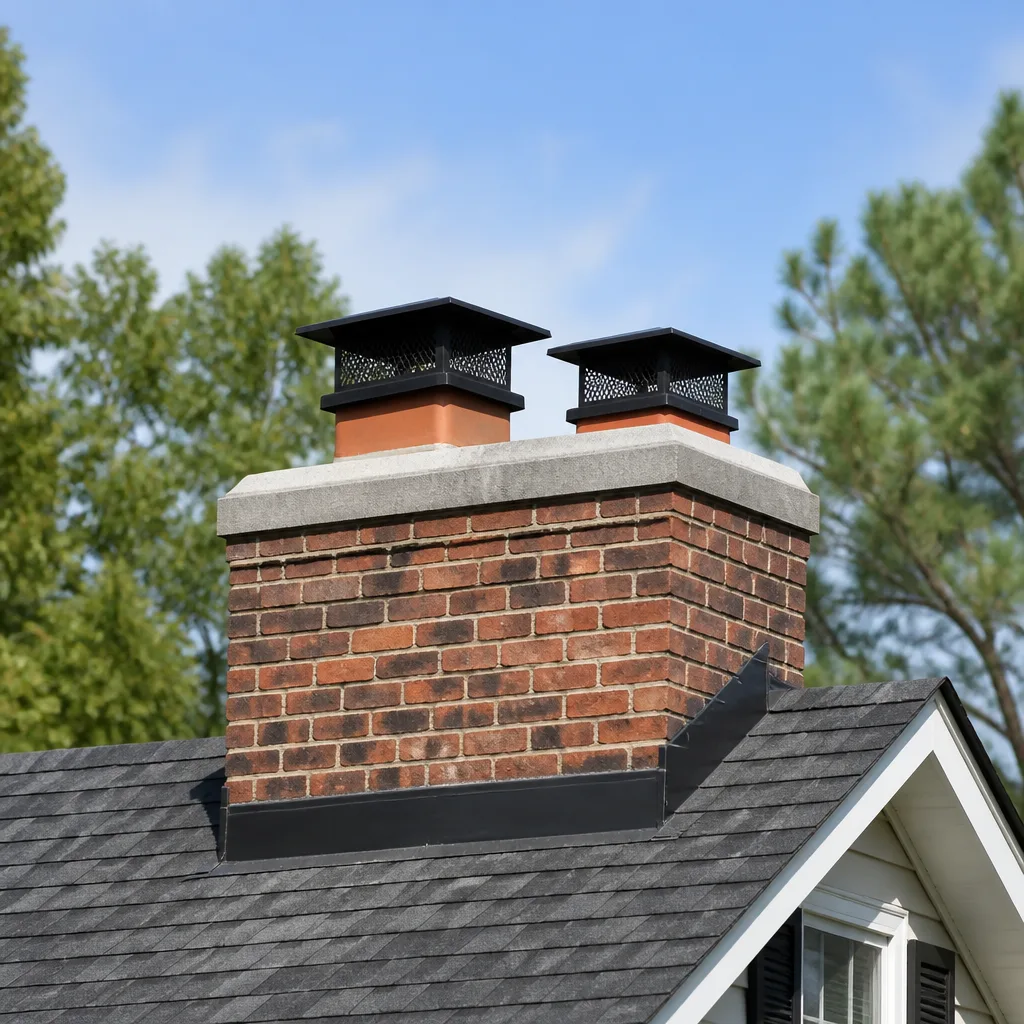 Caps & crowns
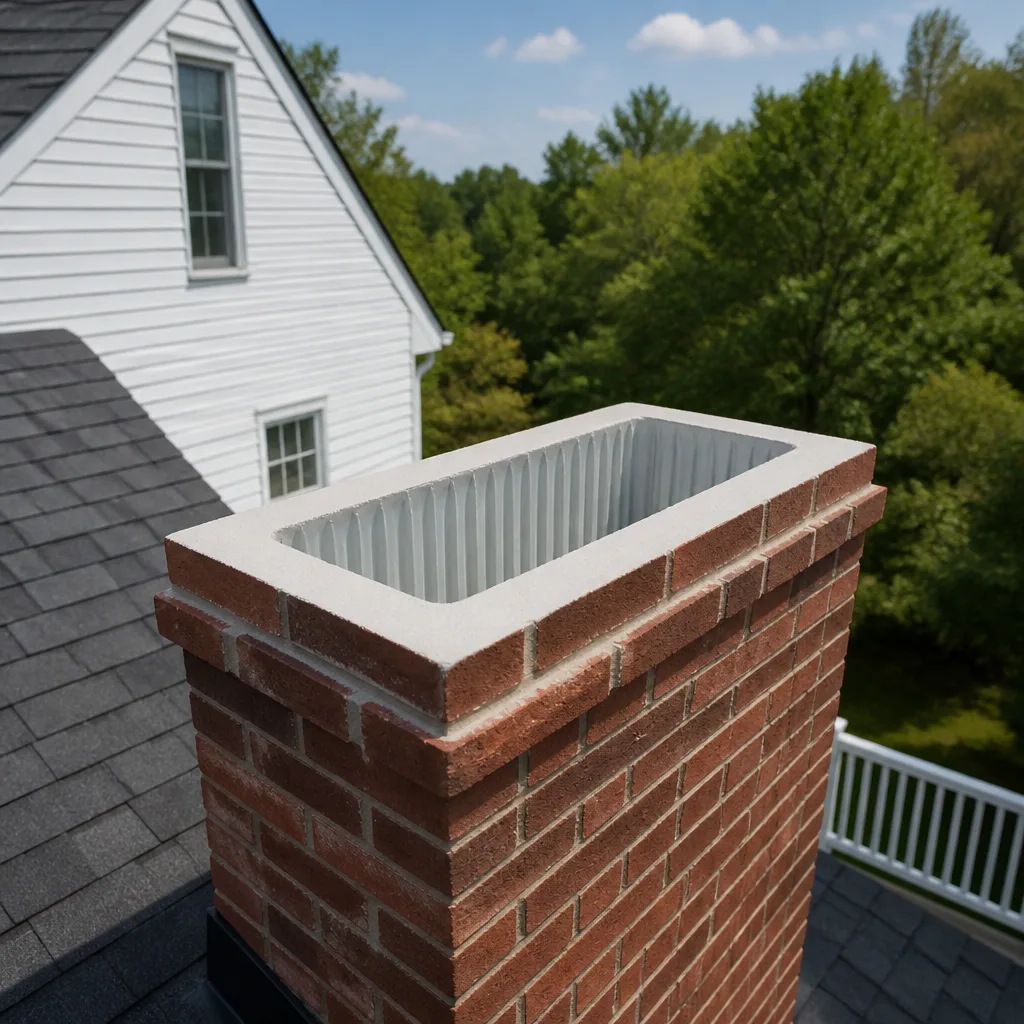 Flue relining
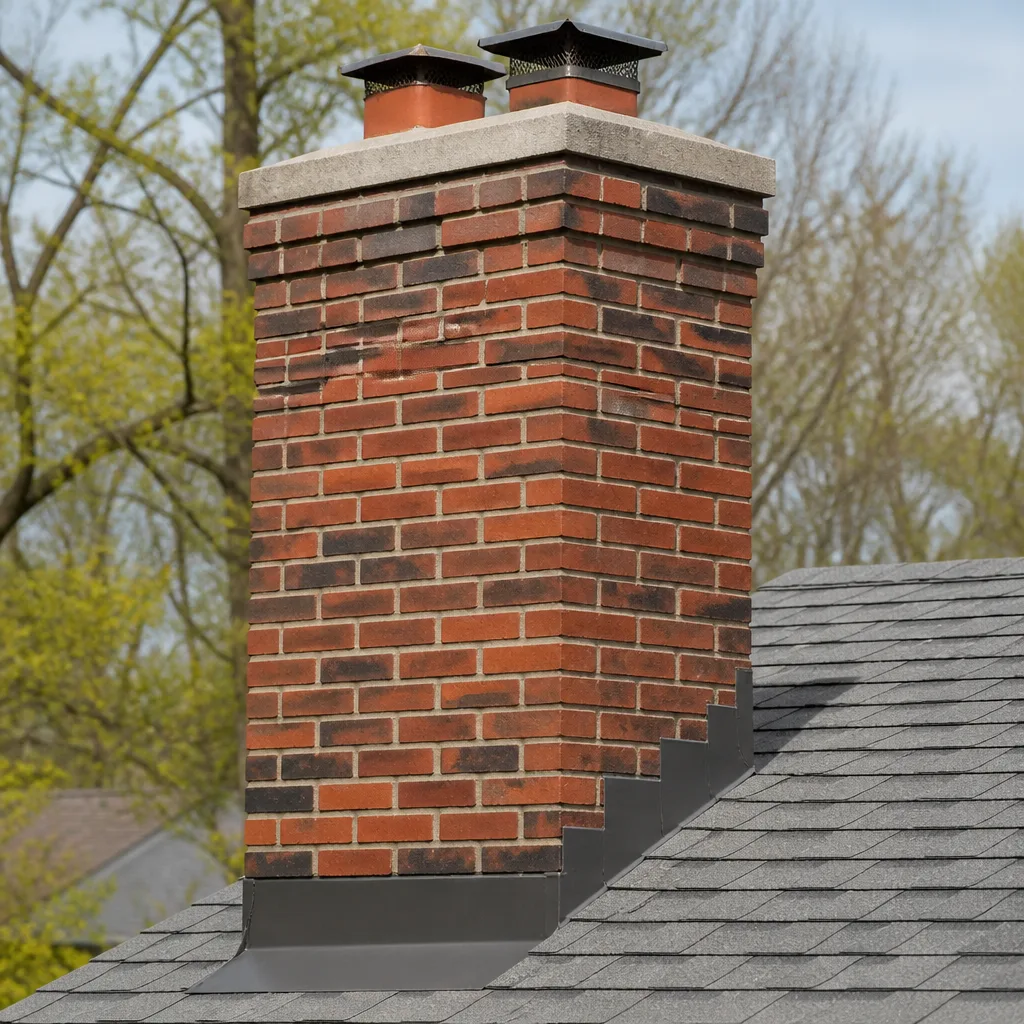 Masonry repair
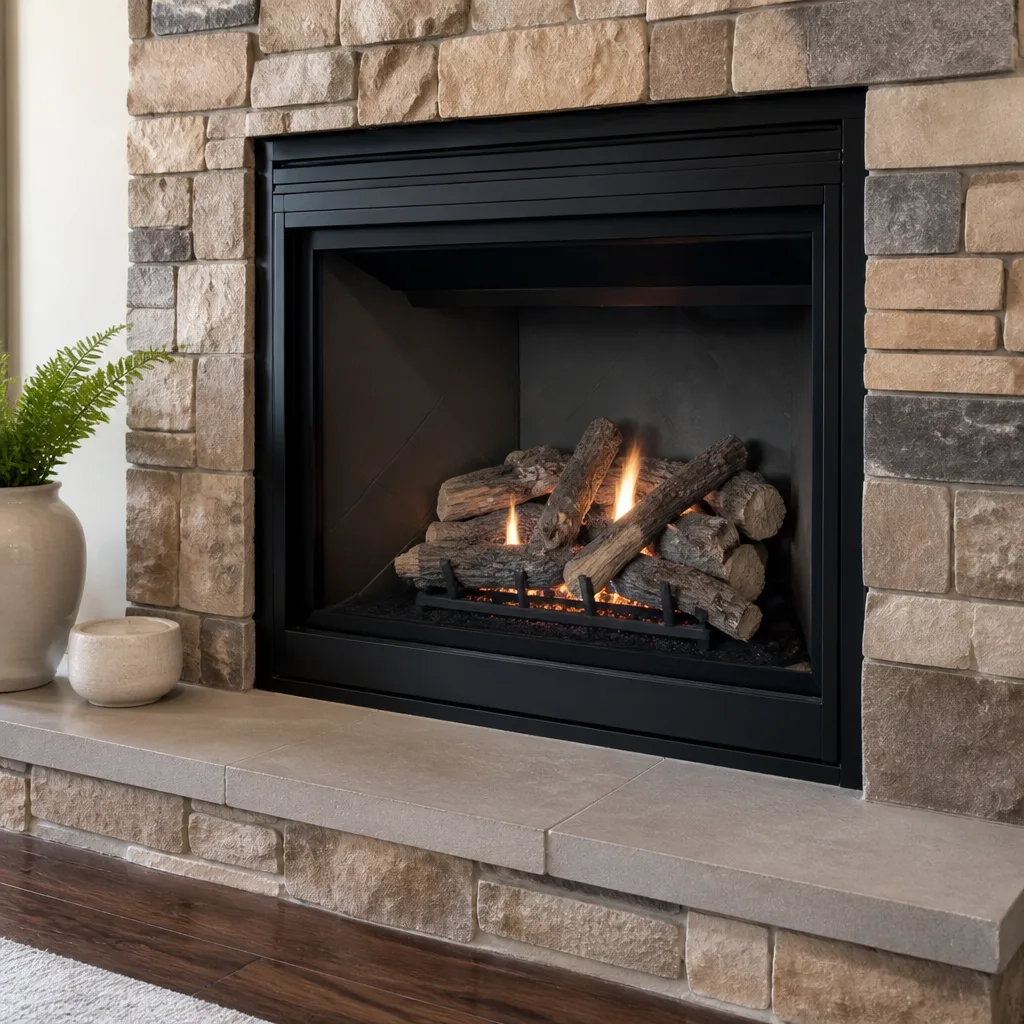 Gas fireplace service
Level 1 sweep and inspection to the NFPA 211 annual standard - flue, crown, cap, and flashing checked and photographed
Chimney sweep logs do not sweep chimneys. They loosen some creosote - which then falls where a brush and vacuum still have to collect it.
Chimney Sweep Maintenance Schedule: What to Do and When
Most chimney advice you’ll find online starts and ends with the same sentence: sweep once a year. That standard isn’t wrong, but it’s incomplete, and treating it as the whole schedule is how small problems get expensive. The right maintenance calendar depends on what you burn, how often you burn it, and what your chimney goes through between fires. In Hampton, humidity hangs around long after winter ends, and a wood-burning fireplace that runs hard through a long shoulder season ages differently than one lit a few times a month. Collapsing all of that into “once a year” hides the variables that actually matter. This guide lays out a schedule built around fuel type, burn frequency, and the materials inside your system, so you know what to do and when.
Quick Answer
Every chimney should be inspected once a year, and swept when there’s a visible or measurable buildup of creosote, soot, or obstruction. Homes that burn wood as a primary heat source usually need the flue swept each season, while occasional-use fireplaces may stretch to a sweep every other year based on inspection findings. Gas and insert systems still need an annual inspection even though they don’t produce creosote the way wood does. The best time to book in Hampton is late summer or early fall, before the burning season starts.
Styles & brands we work with
- Sweep & inspection
- Caps & crowns
- Flue relining
- Masonry repair
- Gas fireplace service
Table of Contents
- Why Once a Year Is the Floor, Not the Ceiling
- Burn-Frequency Tiers: Matching the Schedule to How You Heat
- The Case for a Pre-Season Inspection in September
- Gas Inserts vs. Wood-Burning Systems: Different Clocks
- Materials That Degrade on a Schedule
- A Month-by-Month Reference Card for Hampton
- How Humidity and Storm Season Affect the Calendar
- Common Mistakes to Avoid
Why Once a Year Is the Floor, Not the Ceiling
The annual inspection standard exists for a good reason: it catches problems while they’re still small. A flue checked once a year gives a technician the chance to spot a cracked crown, a loosening cap gasket, or early-stage creosote glaze before any of it turns into structural damage. That’s the baseline. But the inspection is a snapshot taken once a year, and a lot happens inside a chimney between snapshots. Creosote deposits don’t pause. Moisture intrusion doesn’t pause. The question isn’t whether to inspect annually, it’s what your annual plan should include once the inspection is done.
In practice, the annual standard covers a lot of ground for a homeowner who lights fires a few times a month in a tight, well-built system. It covers very little for someone who heats primarily with wood through a long cold season. The two households need different schedules, and handing both the same “once a year” line treats them as identical when they’re not. That’s the gap we want to close.
The Hampton climate makes the difference especially clear. Winters here are cold enough to run a wood stove hard, but the shoulder seasons are long and the air is often humid. That humidity works on masonry and metal liners year-round, not just during fire season. A fireplace that sits unused from spring to fall is still under stress from moisture in the air and temperature swings, even if it hasn’t seen a flame in months. A good annual plan accounts for that dormant period, not just the burn season.
- Inspection: every year, regardless of burn frequency
- Sweep: scheduled based on the inspection findings, not the calendar alone
- Material checks: crown, cap, gaskets, and liner surface assessed at each inspection
- Owner checks: between professional visits, a few simple visual checks help catch changes early
Burn-Frequency Tiers: Matching the Schedule to How You Heat
The single biggest variable in your maintenance schedule is how much you actually burn. Here’s how the calendar looks across three common use patterns, and what triggers a visit in each.
Tier 1: Occasional Use (3 – 4 Fires a Month)
This is the household that lights a fire for ambiance, not heat. The fireplace gets used on cold evenings, maybe a few times a week during the coldest stretch, and then sits. Annual inspection is still the rule, but sweeping can often follow inspection findings rather than a fixed interval. If the inspection shows light soot and minimal creosote, a sweep every other year may be reasonable. The triggers for an unscheduled visit are specific: a smoky smell in the room that wasn’t there before, visible soot buildup on the firebox walls, or a fire that draws poorly. Occasional users should also check the cap and crown every fall, because a chimney that sits idle still collects debris and water.
Tier 2: Regular Seasonal Use (Daily Through Winter)
This household burns most evenings through the cold months and maybe heavily through a few cold snaps. The flue needs a sweep each season, and the inspection should focus on creosote thickness, drafting, and any signs of liner wear. Because a fire runs daily, deposits accumulate faster, and the difference between fine creosote and glazed creosote can develop in a single season. A pre-season inspection catches last season’s damage, and a mid-season look, when in doubt, catches anything that develops during heavy use.
Tier 3: Primary Heat Source
This is the household running a wood stove or insert as its main heat through winter. It burns daily, often for long stretches, and often through a long shoulder season. The schedule tightens substantially: a sweep at least once per season, a thorough inspection before that season, and attention to liner condition because a hot, continuous fire stresses the liner more than an occasional one. Trigger points for an immediate visit include creosote buildup beyond the light stage, any change in how the fire draws, or a stove that suddenly won’t hold heat the way it used to.
Our technicians have up to 9 years of experience reading these differences, and the pattern is consistent: primary-heat households almost always need more frequent service than they expect. If you’re unsure which tier you fall into, describe your burn habits when you schedule a chimney sweep and we’ll build the interval around them.
The Case for a Pre-Season Inspection in September
Most sweep services fill up in spring, because that’s when homeowners remember the chimney after the last fire of the season. We think that’s backwards for Hampton. A pre-season inspection in September, before the fireplace season starts, gives you the chance to fix what’s found before you need the chimney. An April visit has the opposite problem: it’s five or six months before the next fire, so anything that develops over the summer sits undetected until fall.
September timing has three practical advantages:
- Problems get fixed before the cold snap. If the inspection finds a cracked crown or a liner that needs resurfacing, there’s time to schedule the repair without missing a single cold evening. Discover the same issue in November and you’re competing with every other household trying to get on a schedule.
- The summer’s wear gets caught. Humidity, storm season, and temperature swings work on a chimney between fires. A September inspection is the first look at what that dormant period did, before the flue gets hot again and the evidence gets harder to read.
- Scheduling is easier. Fall is the natural start of the burning season, so a September visit keeps you ahead of the demand that builds as the weather turns.
If a September inspection turns something up, that gives you the rest of the shoulder season to plan the chimney repair work around your budget and your calendar. If it comes back clean, you start the season with confidence and a documented baseline. Either way, the season itself is untouched.
Gas Inserts vs. Wood-Burning Systems: Different Clocks
Gas is not maintenance-free, and the assumption that it is leads to a specific kind of neglect. A gas fireplace or insert doesn’t produce creosote the way wood does, so the flue rarely needs the same kind of sweep. But gas systems have their own failure points, and they degrade on their own schedule. Annual inspection still applies, and the focus shifts.
On a gas system, the inspection looks at:
- Venting and draft: gas appliances need clear, unobstructed venting, and an annual check confirms it
- Combustion byproducts: a properly vented gas system carries exhaust out of the home, and the inspection confirms the path is clear and sealed
- Components and connections: the logs, the burner, the pilot and ignition, and the connections get a visual once-over for wear or debris
- Cap and vent terminal: nesting birds, debris, and storm damage can block a gas vent just as easily as a wood flue
Wood-burning systems run on a different clock. Creosote is the variable that drives the whole schedule, and how fast it accumulates depends on the wood, the draft, and how hot the fire runs. Wood stoves and fireplaces also carry the moisture and structural concerns a gas insert largely avoids, because gas systems don’t put the same heat and moisture load on masonry. If you have both systems, or you’re unsure what’s behind your insert, an inspection tells you what you’re actually maintaining. The team at Chimney Sweep Hampton works on both types and can walk you through what your system needs.
Materials That Degrade on a Schedule
One thing most maintenance guides skip: the materials in your chimney age on their own clock, separate from the burn schedule. Knowing which ones degrade and roughly when lets you build replacement into the annual plan instead of being surprised by it.
Liner Resurfacer (HeatShield)
Clay tile liners can develop cracks and gaps in the mortar joints over time, and resurfacing is often a repair option before full replacement becomes necessary. HeatShield liner resurfacing fills and smooths those joints, extending the life of a liner that’s still structurally sound. In a humid climate like Hampton’s, mortar joints take on moisture and degrade faster than in dry air, so resurfaced and original liners should be checked at each annual inspection. When resurfacing no longer makes sense, a full reline with a system like DuraFlex becomes the next step. The annual inspection is what tells you which stage you’re at.
Chimney Crown Coatings
The crown is the concrete cap at the top of the chimney, and it’s the first line of defense against water getting into the masonry. Crown coatings wear from weather, temperature swings, and sun exposure. On a Hampton chimney, the crown should be inspected every year, and re-sealed or repaired when the coating shows cracking or erosion. A failing crown lets water into the structure, and that’s where the expensive damage starts.
Cap Gaskets and Seals
A chimney cap keeps rain, debris, and animals out of the flue. The gasket and seals around a cap dry out and degrade over time, and a cap that no longer seals is doing part of its job at best. Cap gaskets are a small, inexpensive part of the system, but only if you catch them at the inspection. A degraded gasket left alone lets moisture in from the top down. We work with cap and venting products from Famco and Copperfield, and the annual inspection is when the cap and its seals get checked.
Gaskets and Seals on the Appliance
Wood stoves and inserts rely on door gaskets to control the burn. These wear with heat cycles and should be checked each season. A gasket that no longer seals lets the fire run hotter than it should and shortens the life of the liner.
A Month-by-Month Reference Card for Hampton
Here’s a schedule built around the Hampton calendar, not a generic one. The exact timing shifts a bit with the weather each year, but the pattern holds.
- Late August to September: Book the pre-season inspection. This is the most valuable visit of the year, because it catches last season’s wear and anything summer caused. Schedule any repairs found while there’s still time before the first fire.
- October: Final check before the season. Confirm the cap is sealed, the gaskets are sound, and any repair is complete. This is also the month to make sure your wood is dry and ready.
- November through February: Burn season. Watch for changes in draft, smoke in the room, or a fire that doesn’t draw as it should. If any of those appear, don’t wait until spring for a look.
- Mid-winter (January): If you burn heavily through winter, this is the natural point for a mid-season check, especially on a primary-heat system. It’s also the time to check the firebox and door gaskets while the stove is in daily use.
- March to April: Post-season look. The fire’s out, and the season’s wear is visible. This is a good time to sweep if the inspection at the start of the season flagged buildup, and to note anything the winter did.
- May to July: The dormant season, and the one homeowners forget. Humidity and storms work on the crown, cap, and masonry through these months. If you had a sweeping in spring, this is also when to plan any resurfacing or relining on the schedule the inspection laid out.
- Ongoing: Between visits, a visual check of the firebox and the fire when you start it catches obvious changes early. A smoky smell, visible cracks, or a fire that won’t draw are reasons to call before the annual visit is due.
How Humidity and Storm Season Affect the Calendar
Hampton’s climate leaves a long, humid stretch between the last fire of spring and the first of fall. That has a direct effect on the maintenance calendar. Masonry and mortar joints absorb moisture from the air, and temperature swings expand and contract the structure. Over a long humid season, a small crack in a crown coating or a mortar joint can widen. By the time the next September inspection comes around, the problem is often bigger than it was in spring.
Storm season adds a second variable. Wind and falling debris can loosen a cap, crack a crown, or damage the flashing around the chimney at the roofline. A chimney that came through spring in good condition may have a new problem by the time September arrives. That’s another reason the pre-season inspection earns its keep: it’s the first look after the worst of the weather has passed, before the flue gets hot again and the evidence gets harder to read. In our experience, the humid months are when the structural issues that show up in fall get their start. The fixes are usually small if they’re caught at the September visit and considerably larger if they wait.
An annual plan that includes the crown, cap, and liner surface at every inspection will catch most of what the humid season does. That’s the value of building the materials check into the schedule instead of relying on a sweep alone. Coastal humidity is real here, and a maintenance calendar that assumes dry air will miss what’s actually happening to the chimney.
Common Mistakes to Avoid
- Waiting until spring to sweep. Spring is when everyone remembers, but a spring sweep leaves the chimney unexamined through the humid months. A September pre-season visit catches the summer’s wear and leaves time for repairs. Our Hampton scheduling is built around that timing for a reason.
- Assuming gas means maintenance-free. A gas insert doesn’t produce creosote, but it still needs an annual inspection for venting, components, and cap seals. Skipping it because there’s no firewood involved is the most common gas-system mistake.
- Sweeping on a fixed interval instead of findings. Two homes that burn the same amount can need different service because one drafts well and one doesn’t. The schedule should follow what the inspection finds, not a number of months.
- Ignoring the crown because the firebox looks fine. A cracked crown lets water into the structure, and that damage doesn’t show up in the firebox until it’s serious. Check the crown every year.
- Forgetting the cap and gasket. A cap that no longer seals lets rain and animals in. It’s a small part, but it’s the top of the system and it’s the one thing standing between weather and the flue.
- Letting the annual inspection slip when there’s no visible problem. The inspection is the point of the schedule. The year there’s nothing wrong is the year the inspection is doing its job.
- Putting off a liner check. HeatShield resurfacing and full relining are both options, but only if the problem is caught before the liner is beyond saving. The annual inspection is what tells you which stage you’re at.
See the difference
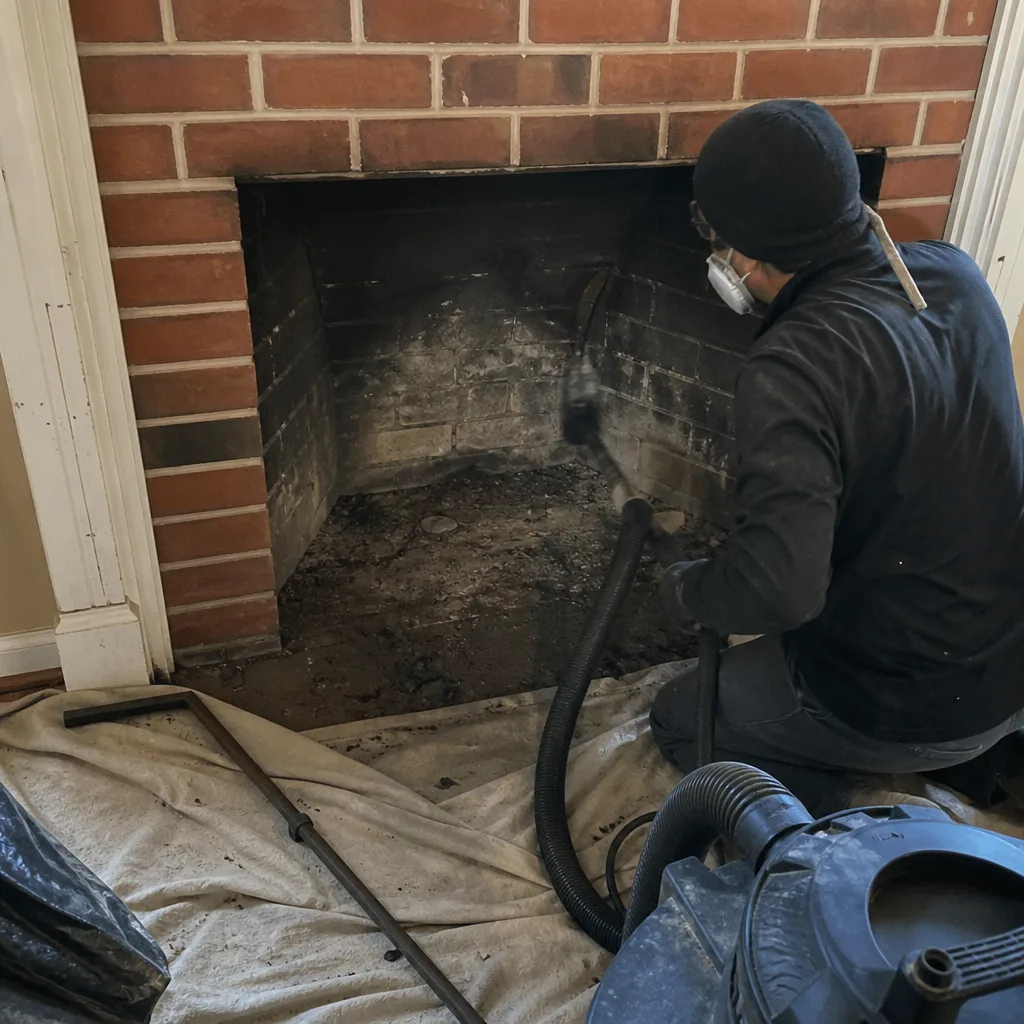 Before
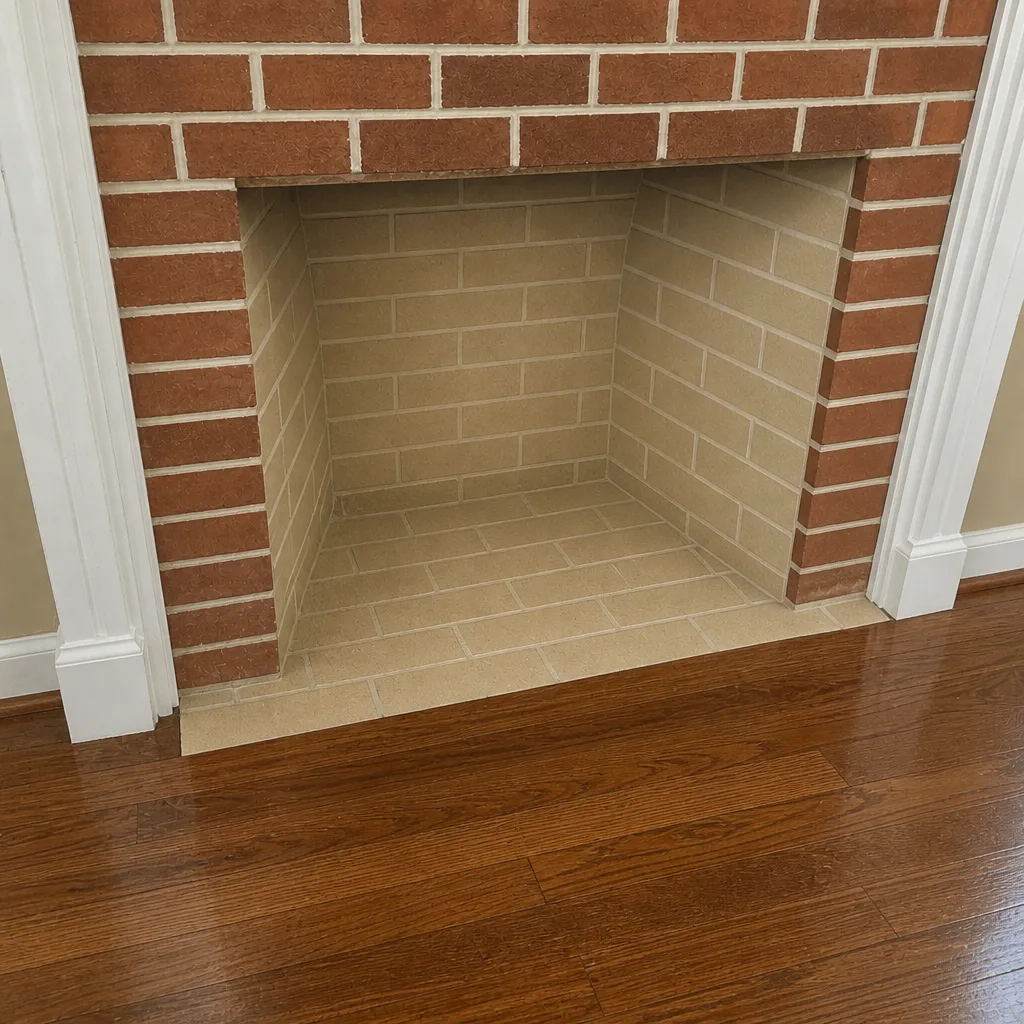 After
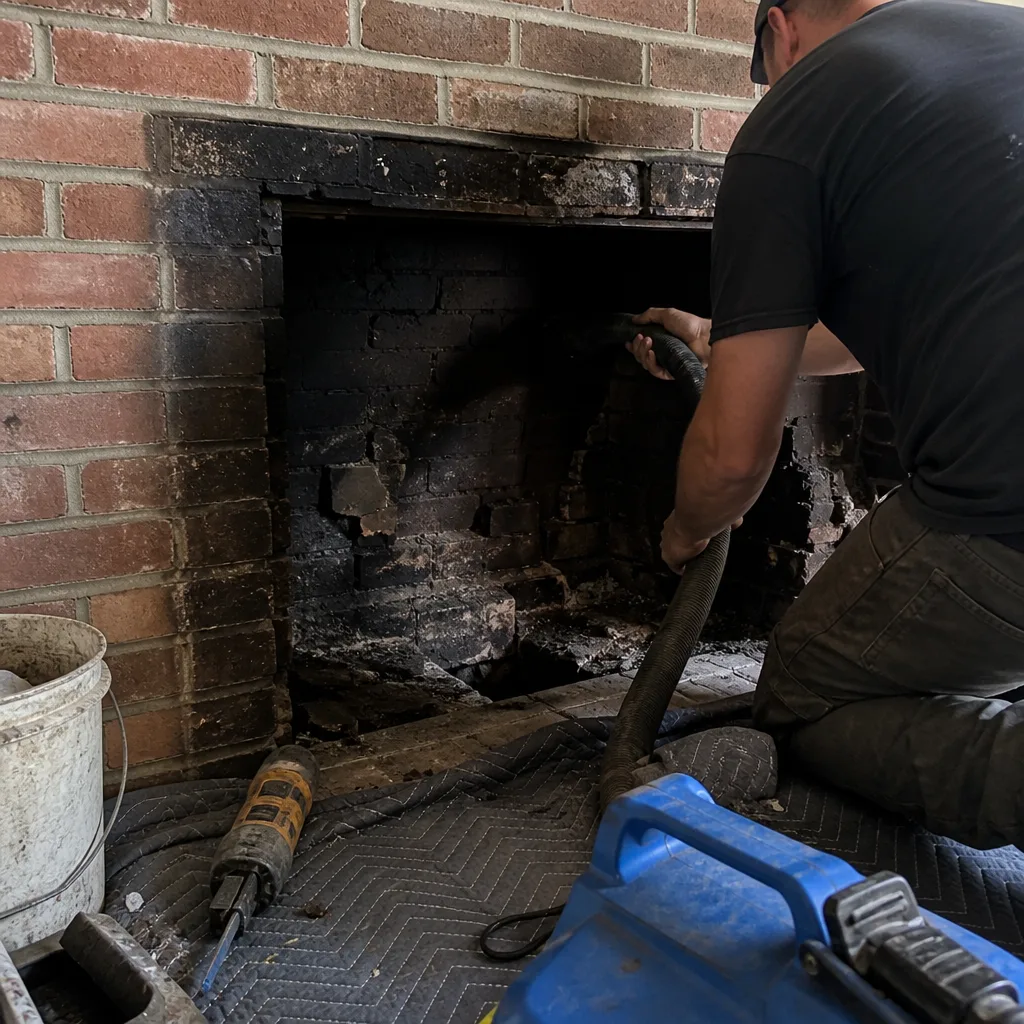 Before
 After
 Before
 After
When to Call a Professional
Some situations wait for the annual visit, and some don’t. Call before the scheduled appointment if you notice smoke coming into the room when you light a fire, a persistent smoky smell that wasn’t there before, visible cracks or damage in the firebox or the masonry, a cap that’s loose or missing, or a fire that suddenly draws poorly after years of working fine. A primary-heat household that hasn’t had the flue swept this season should book before the season, not after. And any chimney that hasn’t been inspected in a year should get on the schedule regardless of how it seems to be working. Chimney Sweep Hampton offers free estimates in Hampton. Call (833) 572-0756. We answer 24/7. Fast dispatch from 7am to 7pm, Sunday through Friday.
Frequently Asked Questions
Every chimney should be inspected once a year, and swept when the inspection finds enough creosote or soot buildup to warrant it. Homes that burn wood as a primary heat source usually need a sweep each season, while occasional-use fireplaces may go longer between sweeps based on what the inspection finds. The humid Hampton climate makes the annual inspection especially valuable because it catches structural wear, not just buildup. Call (833) 572-0756 for an exact quote and a schedule built around how you burn. Estimates are free.
Before. A pre-season inspection in late summer or September catches last season’s wear and anything the humid months did, and leaves time to complete repairs before you need the chimney. A spring sweep still has value, but it leaves the chimney unexamined through the humid season and five or six months before the next fire. The best plan for most Hampton households is a September inspection with any follow-up work scheduled from the findings. Call (833) 572-0756 to book before the season fills up.
Yes. Gas systems don’t produce creosote the way wood does, so they often don’t need the same kind of sweep, but they still need an annual inspection for venting, components, and cap seals. A blocked or damaged vent is a real concern on a gas system, and the annual inspection is what catches it. Skipping maintenance because there’s no firewood involved is the most common gas-system mistake. Call (833) 572-0756 to schedule an inspection and get a written estimate.
Small problems stay hidden and grow. A cracked crown, a degrading cap gasket, or early liner damage all develop quietly, and the longer they go unaddressed the more expensive the repair becomes. The annual inspection is designed to catch these while they’re still small. Skipping one year doesn’t guarantee a problem, but it removes the check that catches one. Call (833) 572-0756. We answer 24/7. Fast dispatch from 7am to 7pm, Sunday through Friday.
A routine inspection is usually a short visit, and a sweep takes a bit longer depending on the system and the buildup found. The technician inspects the flue, the firebox, the crown, the cap, and the visible parts of the liner, then explains what was found and what, if anything, needs doing. You get the findings before any work is recommended. Call (833) 572-0756 for an exact quote. Estimates are free.
Often, yes. Because sweeping, inspection, and repair are handled under one company, a visit can combine all three when the repair is straightforward. If the inspection turns up something that needs a separate visit, you’ll know before anything is scheduled. That’s the advantage of working with a specialist rather than coordinating a sweep and a repair through separate contractors. Call (833) 572-0756 to book a visit and get a written estimate.
The Bottom Line
The annual inspection is the foundation, but it’s not the whole schedule. Build your maintenance plan around three variables: how much you burn, what you burn, and the materials inside your system. Primary-heat households need more frequent service than occasional-use fireplaces. Gas inserts need annual inspection even without creosote. Crowns, caps, gaskets, and liner surfaces all degrade on their own clocks, and the annual visit is what keeps them on schedule. In Hampton, the humid months and storm season make a September pre-season inspection the most valuable visit of the year. Know what’s inside your chimney before winter hits, and get the schedule built around your system, not a generic calendar.
Call (833) 572-0756. We answer 24/7. Fast dispatch from 7am to 7pm, Sunday through Friday. Estimates are free.
Written by the team at Chimney Sweep Hampton.