
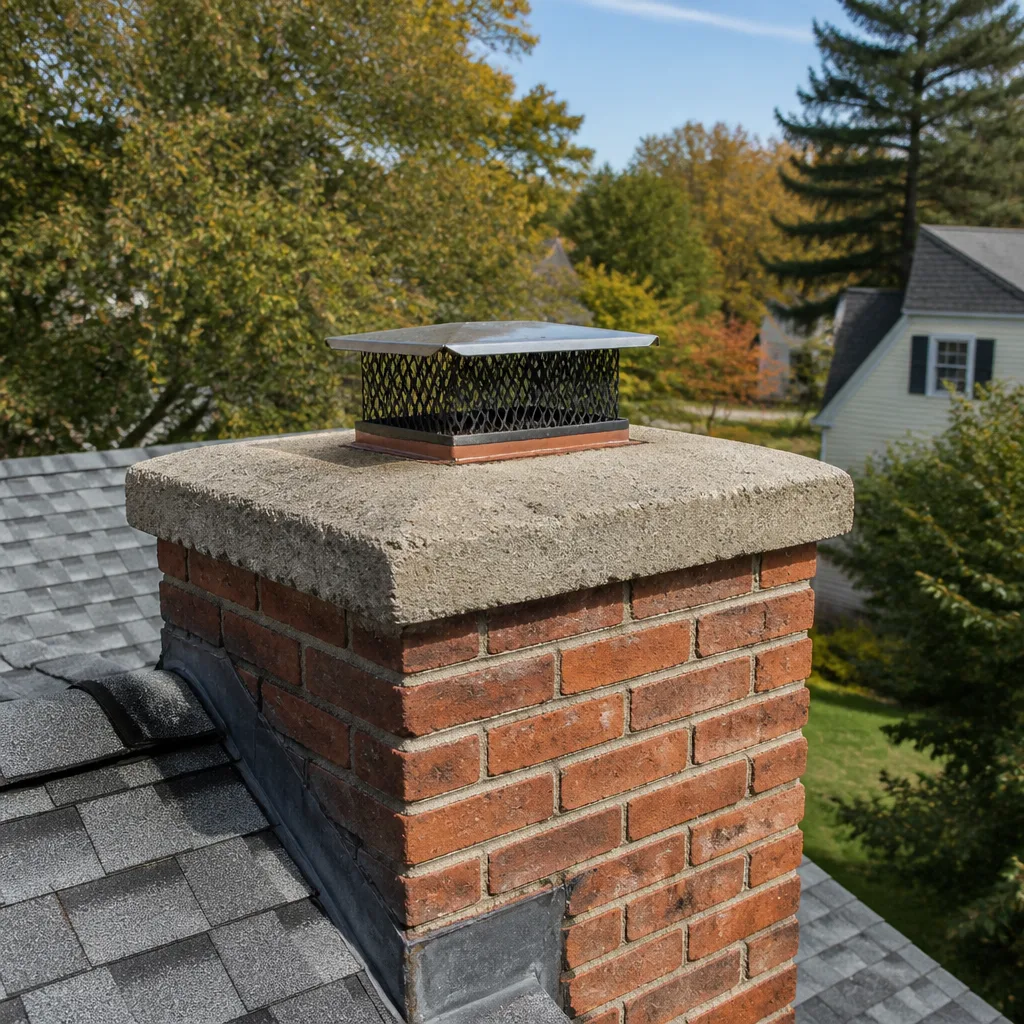
 Sweep & inspection
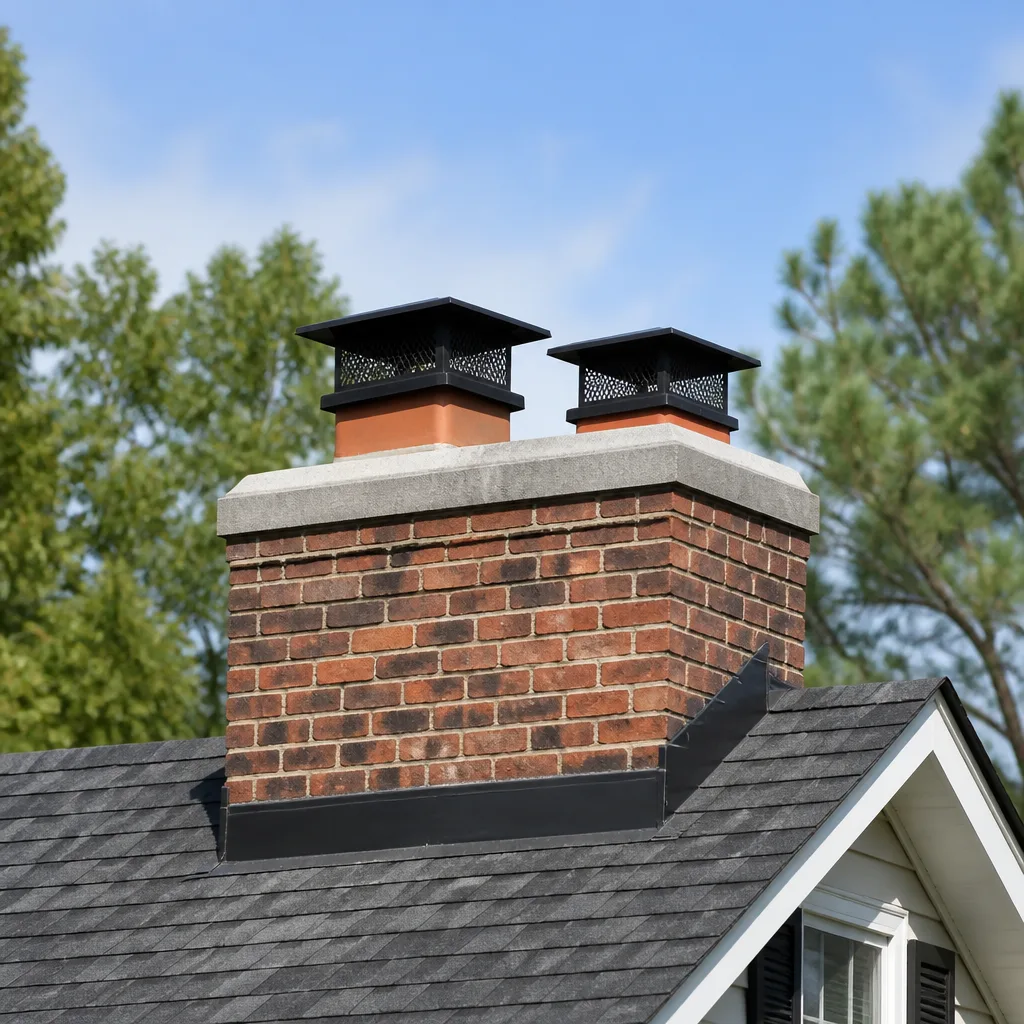 Caps & crowns
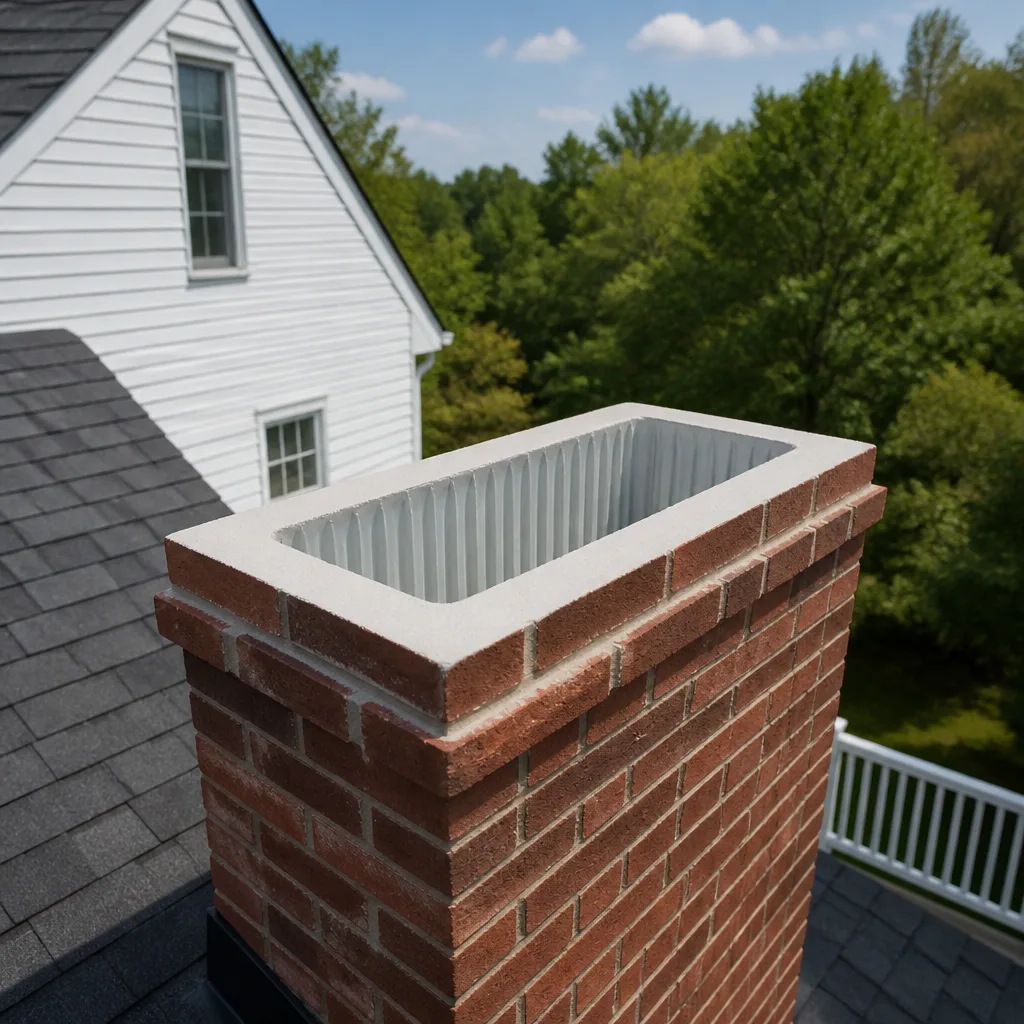 Flue relining
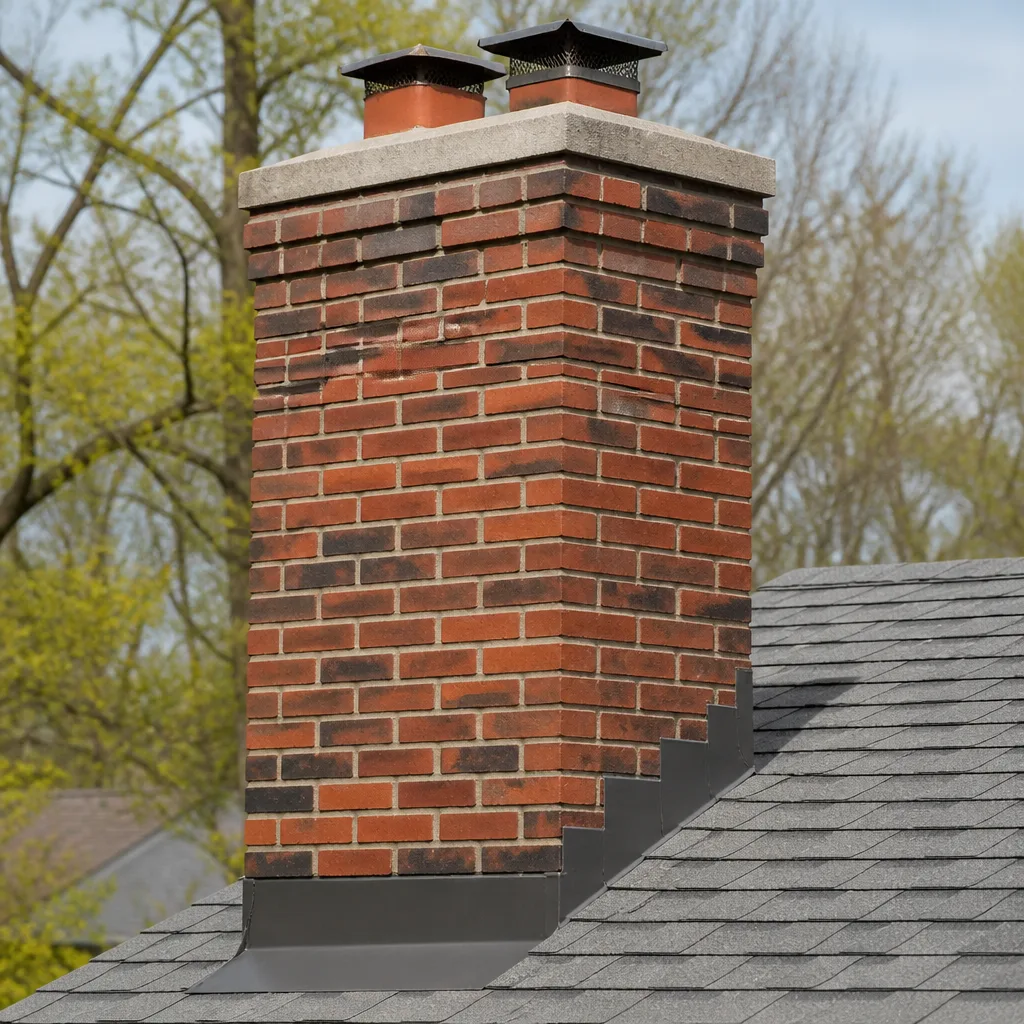 Masonry repair
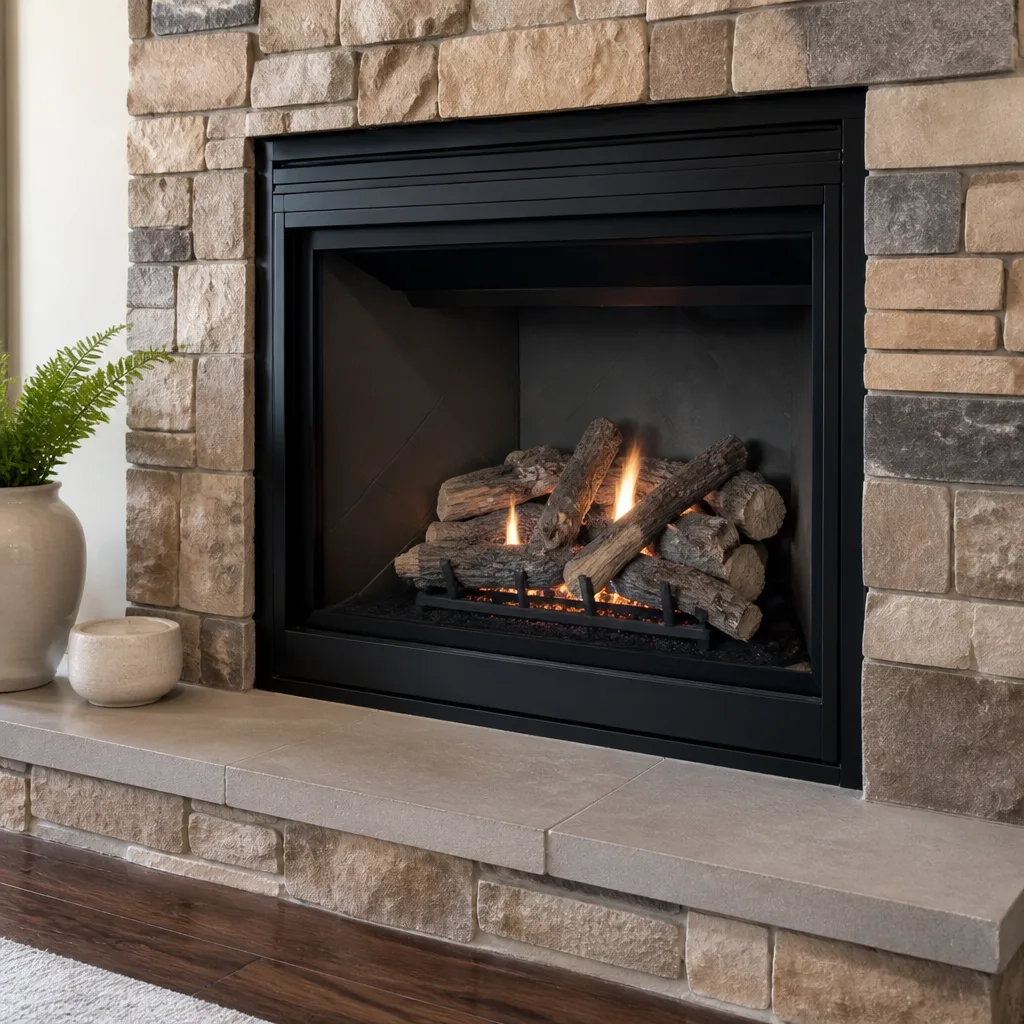 Gas fireplace service
Level 1 sweep and inspection to the NFPA 211 annual standard - flue, crown, cap, and flashing checked and photographed
Chimney sweep logs do not sweep chimneys. They loosen some creosote - which then falls where a brush and vacuum still have to collect it.
Styles & brands we work with
- Sweep & inspection
- Caps & crowns
- Flue relining
- Masonry repair
- Gas fireplace service
See the difference
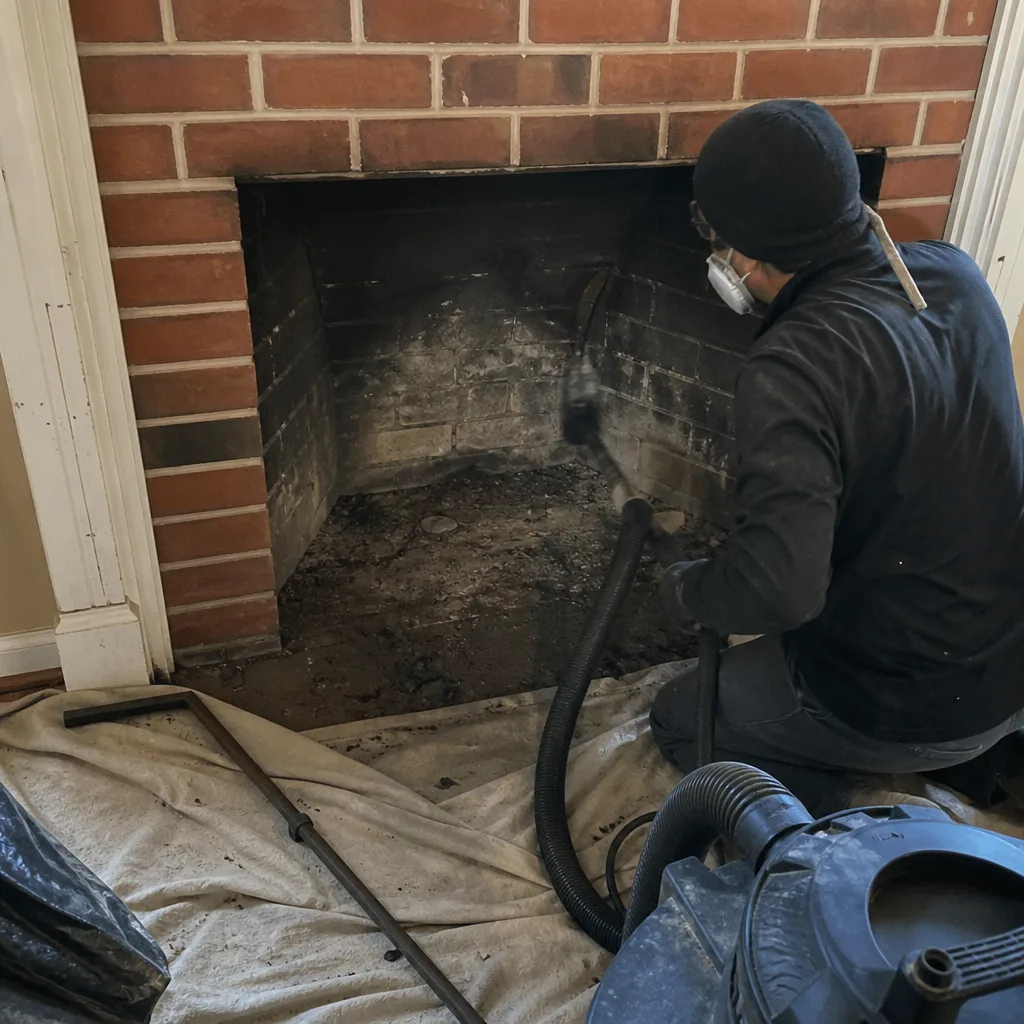 Before
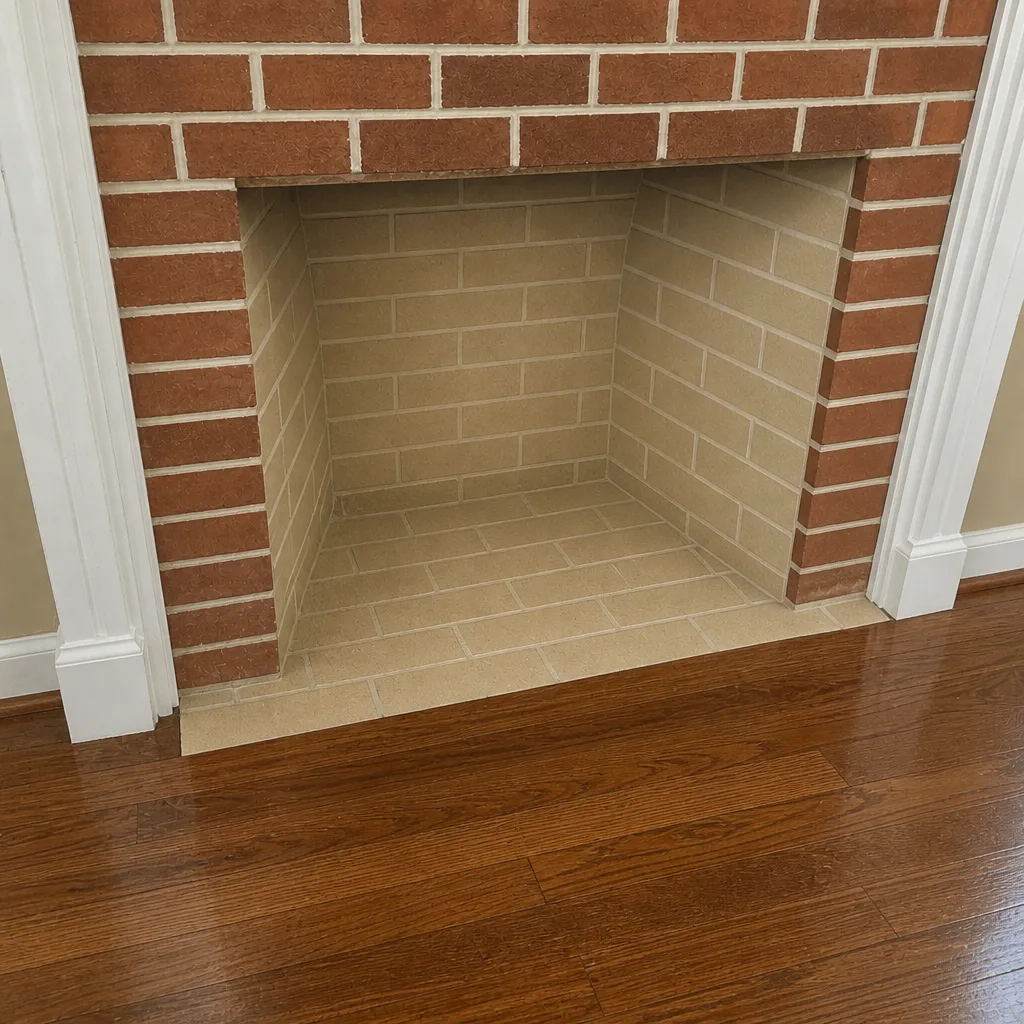 After
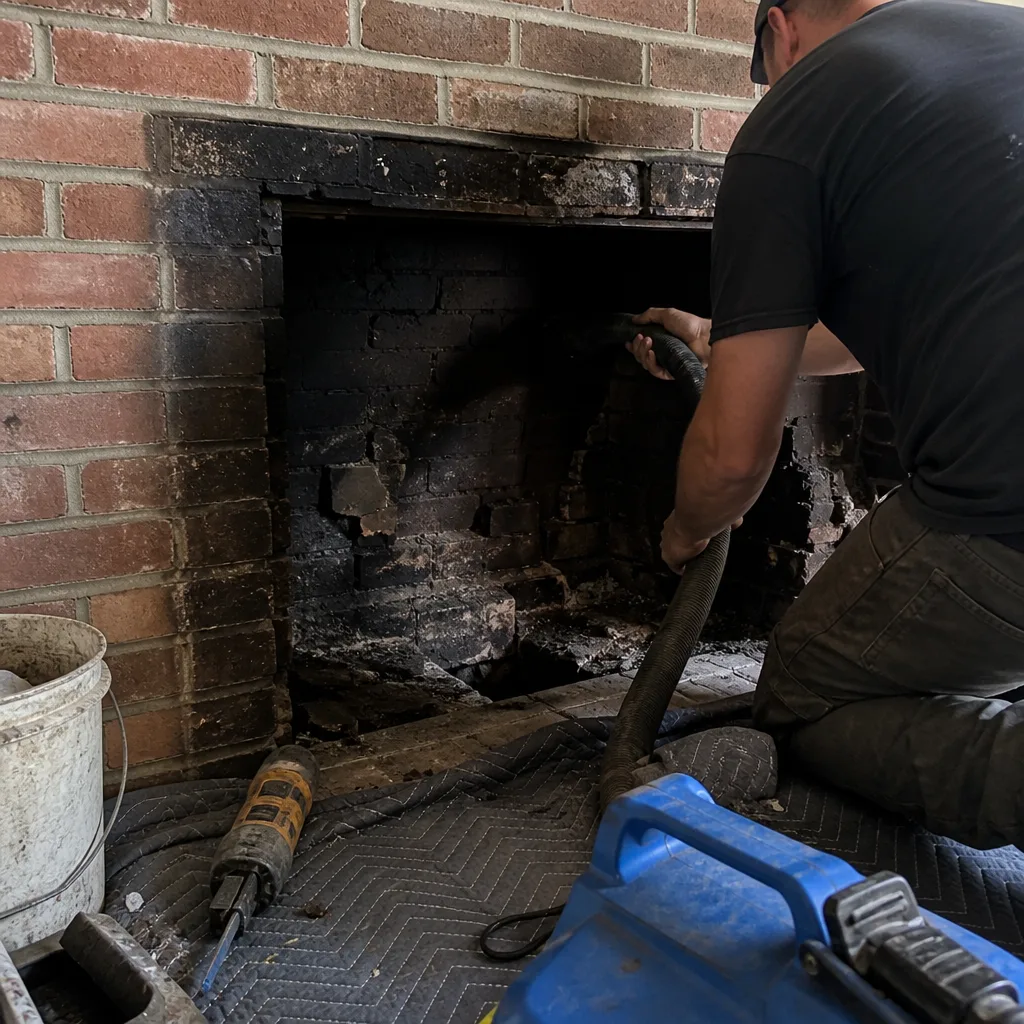 Before
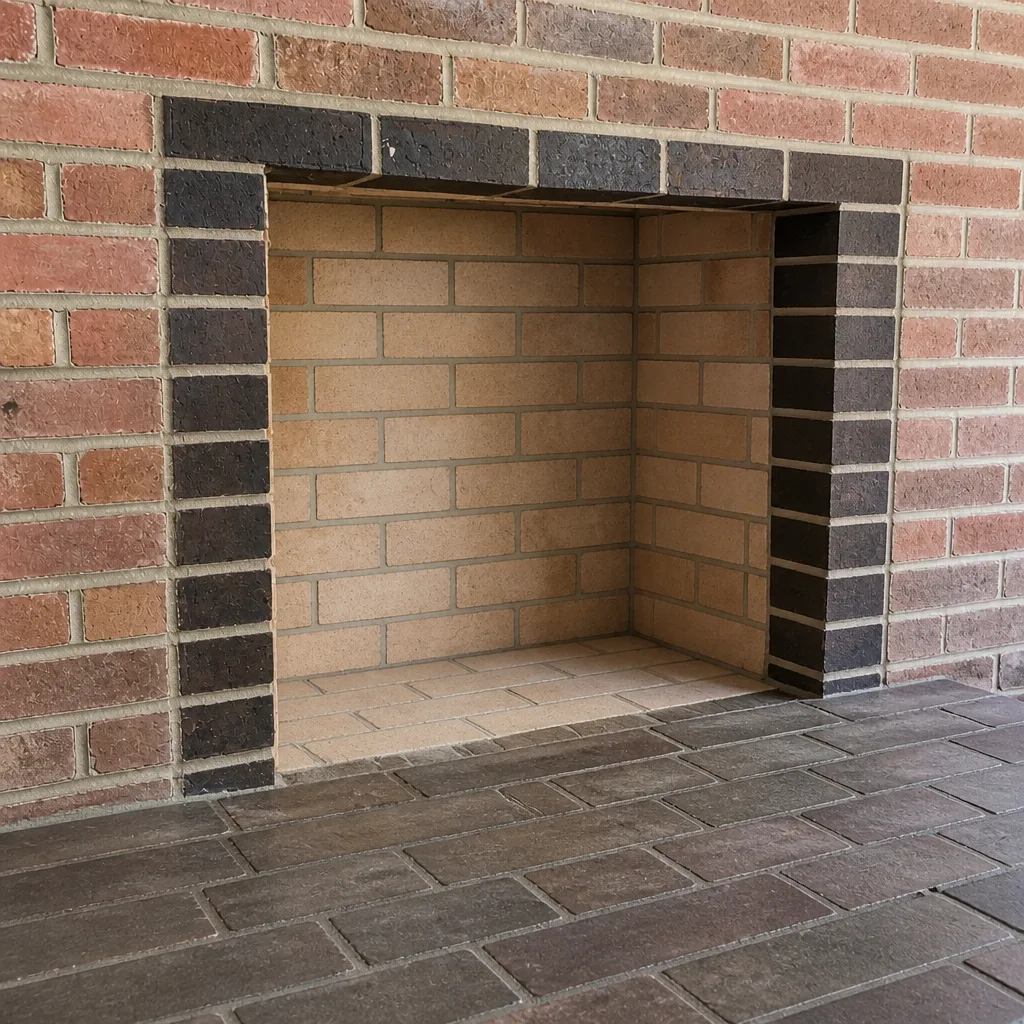 After
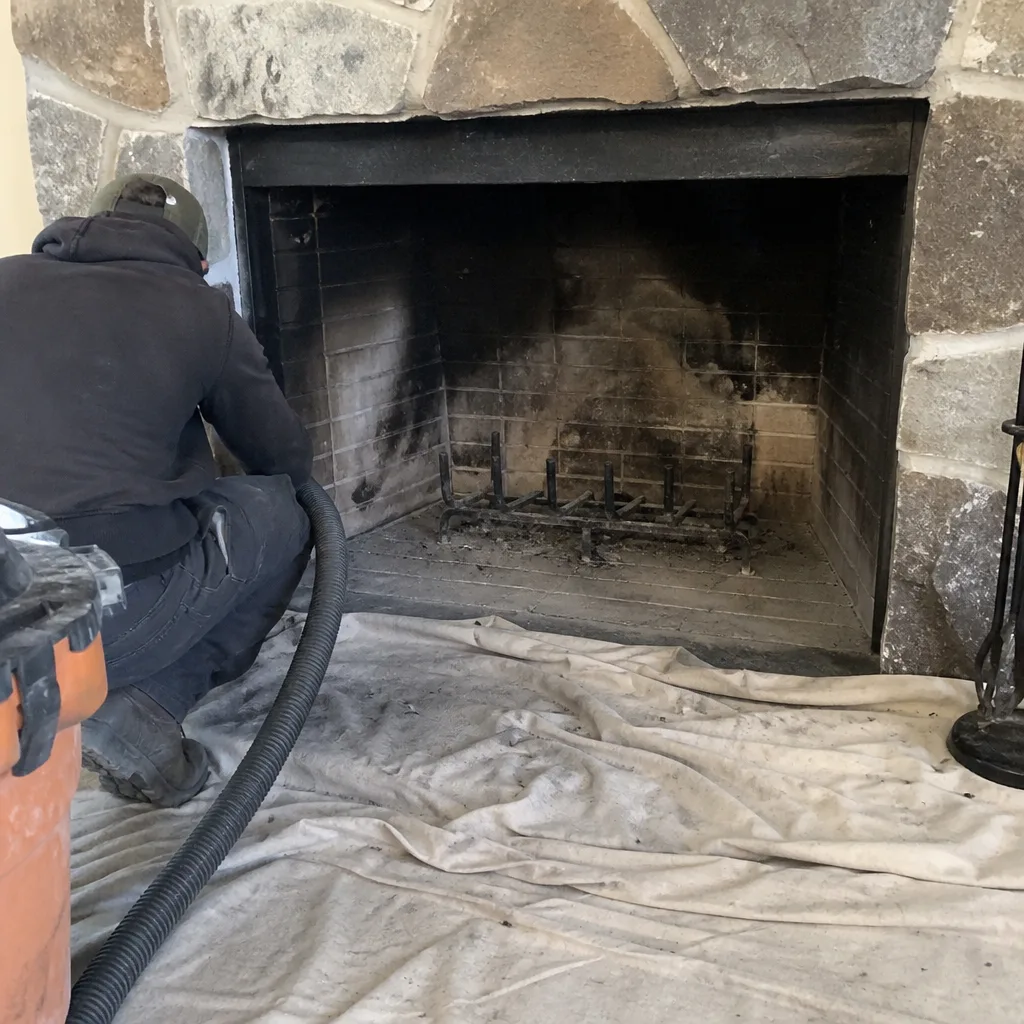 Before
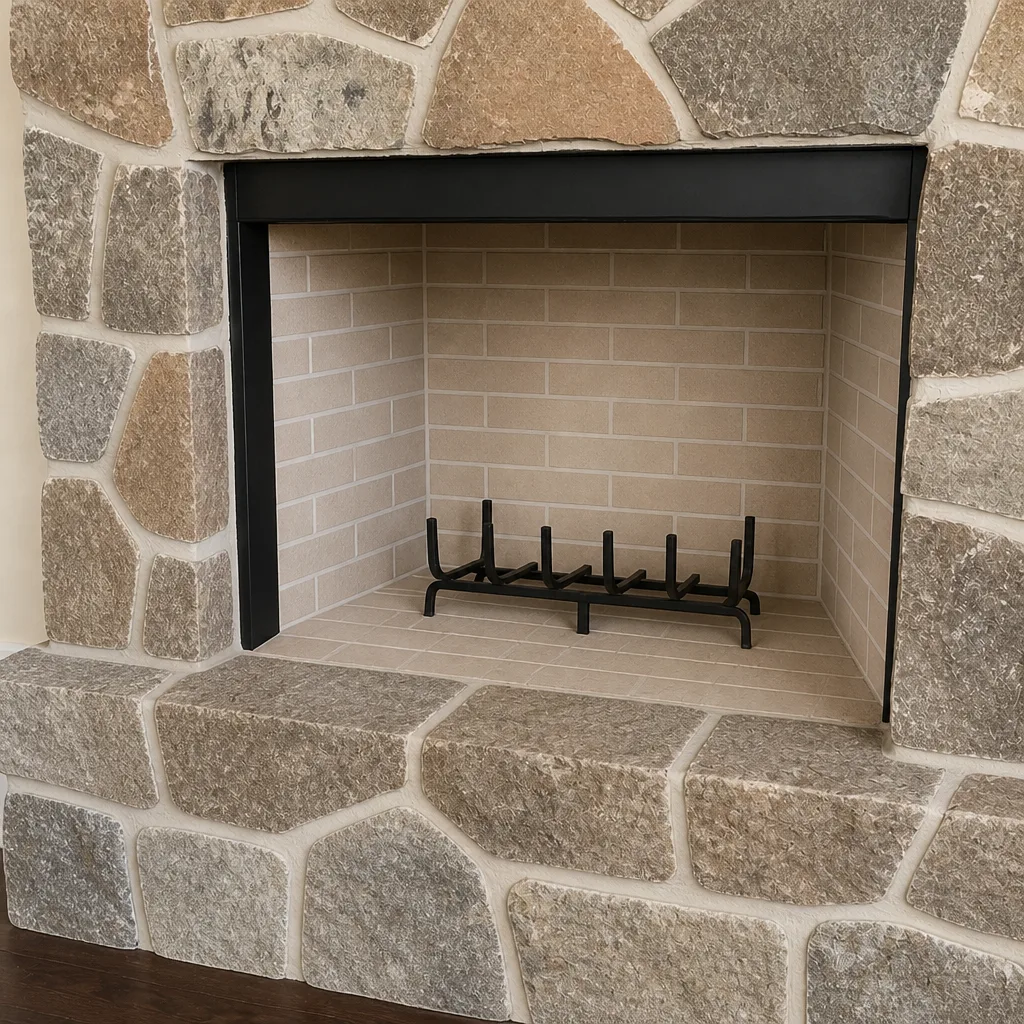 After
How Much Does Chimney Liner & Rebuild Cost in Hampton?
Chimney liner replacement in Hampton typically costs $2,400 to $5,800 for a full stainless reline, while a chimney rebuild runs $4,500 to $14,000 depending on how much of the stack comes down. HeatShield resurfacing, which restores a liner that’s still structurally sound, usually lands between $1,200 and $2,600. Those ranges cover the materials, the labor, and the inspection that tells you which of the three you actually need.
The spread is wide because “chimney liner and rebuild” describes several different jobs. A cracked flue tile on a straightforward brick chimney is one thing. A chimney with spalling mortar, a failed crown, and no liner at all is another. We work through both regularly, and the honest answer is that nobody can quote either one from a phone call. What we can do is tell you what each job involves, what drives the number up or down, and how to tell which one you’re looking at before you commit.
Every estimate we give is free and written. The written number is what you pay.
Chimney Liner & Rebuild Cost Breakdown (2026)
Here’s how the line items break down in the Hampton market for 2026. These are typical ranges, not quotes. Your chimney’s height, flue configuration, and condition will move the number, and the written estimate sets the final price.
| Work | Typical cost range | What it covers |
|---|---|---|
| Level 2 inspection (camera) | $250 – $450 | Video scan of the flue, crown, and firebox before any liner work |
| HeatShield liner resurfacing | $1,200 – $2,600 | Resurfacing deteriorating mortar joints when the existing liner is still sound |
| DuraFlex stainless reline (single-story chimney) | $2,400 – $3,800 | Full-length flexible stainless liner, insulation, top plate, and cap |
| DuraFlex stainless reline (two-story or tall stack) | $3,600 – $5,800 | Same scope with more footage, taller staging, and a tougher pull |
| Liner insulation wrap | $300 – $700 | Insulation blanket on the liner for better draft and less creosote |
| Chimney cap and top plate (Gelco, Famco, Olympia Chimney) | $180 – $550 | Cap replacement, storm collar, and top-seal hardware |
| Crown rebuild | $700 – $1,800 | Removing a cracked crown and casting a new one with proper overhang |
| Partial rebuild (above roofline) | $4,500 – $9,000 | Tearing down and rebuilding the stack from the roof line up |
| Full chimney rebuild (below roofline) | $9,000 – $14,000 | Full teardown and rebuild from the foundation up, including the smoke chamber transition |
| Firebox and smoke chamber repair (HeatShield) | $900 – $2,400 | Parging and resurfacing of the firebox and smoke shelf |
What moves a job from the bottom of a range to the top? Height is the biggest one. A two-story chimney means more liner, more scaffold or ladder work, and a longer pull when the liner goes down. Condition is the second. A flue that’s already been relined once and has a stuck old liner can add hours of extraction. The third is access: a chimney on a steep pitch, tucked behind a dormer, or hemmed in by a tight side yard takes longer to work safely than one standing clear.
Material comes into it as well, but less than people expect. A professional-grade flexible liner is the right call whether the house is a bungalow or a two-story colonial. We work with DuraFlex liner systems because they’re built for the full reline and hold up to the heat cycling a wood stove or open fireplace puts them through. If a competitor quotes a much lower number, ask what liner they’re installing. The cheap ones are cheap for a reason.
What Affects Chimney Liner & Rebuild Pricing in Hampton
Hampton’s housing stock runs from older brick homes near the waterfront to mid-century ranches and newer construction. Each brings a different chimney to the table. Here’s what pushes the number one way or the other.
- Chimney height and staging. A liner has to reach from the top of the stack to the smoke chamber. Every extra foot means more liner, more insulation wrap, and more time on the roof. Tall stacks on two-story homes cost meaningfully more than single-story chimneys.
- Existing liner condition. If the original clay tile is cracked or has failed joints, the question is whether HeatShield resurfacing is viable or whether a full DuraFlex reline is the safer path. A camera inspection tells you which, and it’s the difference between a $1,200 job and a $4,000 one.
- Mortar and brick condition. Hampton’s humid summers and freeze-thaw winters work on brick and mortar the same way they work on everything else outdoors. Spalling faces and soft mortar joints mean the rebuild scope grows. A chimney that looks fine from the ground can have a crown that’s been absorbing water for years.
- Appliance type. A wood stove, an open fireplace, and a gas appliance each need a liner sized and rated for that appliance. Gas appliances need a liner rated for the flue gases they produce, and wood-burning appliances need the right diameter to draft properly. The wrong size drafts poorly and costs you again later.
- Crown and cap condition. A cracked crown lets water into the masonry, and that water is what turns a repairable chimney into a rebuild. Gelco, Famco, and Olympia Chimney caps and covers are part of the protection layer. Skipping a $300 cap to save money now is how you end up with a $9,000 rebuild in a few years.
- Access and roof pitch. A steep roof or a chimney crowded by trees and dormers takes longer to work safely. That time is real and it shows up in the estimate.
One local thing worth knowing: Hampton sits in a region where the ground moves with the seasons, and chimneys that were built without a proper footing or that have settled over time can develop a lean or separation from the house. When that’s happening, a liner alone won’t fix it. That’s a rebuild conversation, and it’s better to have it before the next storm season than after.
The best way to understand your chimney’s condition before pricing gets locked in is a proper chimney inspection. We run camera inspections as a standalone service so you know exactly what you’re dealing with, whether or not you hire us for the repair.
How to Save on Chimney Liner & Rebuild
Nobody wants to spend more than they have to on a chimney. Here’s what actually helps.
- Get the inspection first. A $250 to $450 camera inspection can save you thousands by confirming whether you need a full reline or whether HeatShield resurfacing will do. Guessing is how people pay for a rebuild they didn’t need.
- Fix the crown before it becomes a rebuild. Crown repair runs $700 to $1,800. A full rebuild runs $9,000 to $14,000. The gap between them is water intrusion, and it happens faster than most homeowners expect.
- Cap the chimney. A proper cap keeps rain, birds, and debris out of the flue. Gelco and Famco caps are inexpensive relative to what a water-damaged flue costs to fix.
- Bundle the work. When a liner and a crown repair are needed together, having the same company handle both means one staging setup, one trip up the roof, and one coordinated estimate. You also avoid the finger-pointing that happens when two contractors each blame the other’s work.
- Ask about resurfacing before relining. HeatShield resurfacing addresses deteriorating mortar joints without tearing out and replacing the entire liner. When the liner is still structurally sound, it’s a real alternative to a $4,000 reline, and it’s worth asking about specifically.
- Don’t skip the insulation. Liner insulation wrap costs $300 to $700 and pays for itself in better draft and less creosote buildup over the life of the liner. It’s not a frill.
We give free estimates on all of it. Call (833) 572-0756. We answer 24/7. Fast dispatch from 7am to 7pm, Sunday through Friday.
Can You Replace a Chimney Liner Without Rebuilding the Chimney?
Yes, in most cases. A full reline with a DuraFlex stainless system is a standalone job that doesn’t require tearing down the chimney. The old flue gets cleaned, the new liner goes down inside it, and the chimney’s exterior stays as it is. A rebuild is only necessary when the masonry itself has failed: crumbling brick, a leaning stack, a failed crown that’s let water into the structure, or a chimney that’s separated from the house.
The camera inspection is what tells you which side of that line you’re on. We’ve seen chimneys that looked rough from the ground but only needed a liner, and chimneys that looked fine but had a crown that had been quietly failing for years. If you’re in Hampton and you’re not sure which you’re facing, that inspection is the place to start. Call (833) 572-0756 for a free estimate.
Is HeatShield Cheaper Than a Full Liner Replacement?
Yes. HeatShield resurfacing typically costs $1,200 to $2,600, while a full DuraFlex reline runs $2,400 to $5,800. The difference is scope: HeatShield restores the existing liner’s interior surface by filling and smoothing deteriorating mortar joints, while a full reline inserts an entirely new stainless liner inside the old flue.
HeatShield isn’t always an option. If the flue tiles are cracked through, shifted, or missing entirely, resurfacing won’t hold and a full reline is the right call. That’s why the inspection matters. Ask specifically whether resurfacing is viable for your chimney before you commit to a reline. We’ll tell you honestly either way.
How Long Does a Chimney Reline or Rebuild Take in Hampton?
A standard single-story reline is usually a one-day job. Taller or more complex relines can run into a second day. HeatShield resurfacing is typically a day. A partial rebuild above the roofline usually takes three to five days, and a full rebuild from the foundation up runs one to two weeks depending on weather and material delivery.
Weather is the wild card in Hampton. Masonry work can’t proceed in heavy rain or freezing temperatures, and rebuilds get scheduled around the forecast. We’ll tell you upfront what the timeline looks like for your specific job and keep you posted if anything shifts.
FAQs – Chimney Liner & Rebuild Cost
How much does a chimney liner cost in Hampton?
A full stainless steel chimney reline in Hampton typically costs $2,400 to $5,800, depending on chimney height and flue configuration. Single-story chimneys usually land in the $2,400 to $3,800 range, while two-story or tall stacks run $3,600 to $5,800. HeatShield resurfacing, when it’s an option, runs $1,200 to $2,600. Call (833) 572-0756 for an exact quote – estimates are free.
Is it cheaper to repair or replace a chimney liner?
Repair is almost always cheaper when it’s viable. HeatShield resurfacing at $1,200 to $2,600 costs roughly half of a full reline at $2,400 to $5,800. The catch is that resurfacing only works when the existing liner is structurally sound and the damage is limited to the mortar joints. Cracked or shifted tiles mean a full reline is the right answer, and a camera inspection is what tells you which applies. Call (833) 572-0756 to schedule one – the estimate is free.
How much does a chimney rebuild cost in Hampton?
A chimney rebuild in Hampton typically costs $4,500 to $9,000 for a partial rebuild above the roofline, and $9,000 to $14,000 for a full rebuild from the foundation up. The range depends on how much of the stack comes down, what’s underneath it, and how accessible the chimney is. A written estimate after inspection is the only way to know which you need. Call (833) 572-0756 for a free estimate.
Can you come today?
We can often schedule same-day inspections and estimates in Hampton. Call (833) 572-0756. We answer 24/7. Fast dispatch from 7am to 7pm, Sunday through Friday. A call outside dispatch hours is booked into the next opening, Sunday through Friday, 7am to 7pm.
Do I need a permit for a chimney rebuild in Hampton?
Most cities require a permit for structural chimney work, so ask Hampton’s building department before the work starts. Liner replacement sometimes falls under a different rule than a full rebuild. We can tell you what the job involves and what’s typically required, but the permit requirement itself comes from the city, and it’s worth a call to confirm before you schedule.
Why Hampton Homeowners Call Us for Liner and Rebuild Work
We’re a chimney specialist, not a general handyman who sweeps as a side service. That means the person on your roof does chimney systems, and only chimney systems. Our technicians have up to 9 years of experience, and we work with a materials roster that includes DuraFlex, HeatShield, Gelco, Olympia Chimney, Famco, and Copperfield. We name the materials we use because the material is what determines whether a liner lasts or fails.
The full loop matters too. Sweeping, inspection, and repair are handled together, so you’re not coordinating three contractors for one chimney. If a rebuild uncovers a liner issue, the same company is already there. If a sweep finds a crown problem, it gets flagged and fixed without a second call. You can read more about how we work on the Hampton service page.
Built to code, built to last. That’s the standard we hold the work to, and it’s why we push back when a cheap liner or a skipped cap looks like a shortcut. Know what’s inside your chimney before winter hits, and know what the repair will actually cost before you commit.
Call (833) 572-0756 for a free estimate on chimney liner or rebuild work in Hampton. We answer 24/7. Fast dispatch from 7am to 7pm, Sunday through Friday. The written estimate sets the final price, and there’s no charge to get it.
Pricing reflects the Hampton market as of 2026. Chimney Sweep Hampton offers free estimates – call (833) 572-0756.
What Our Customers Say
"Swept it, capped it, and installed a proper damper. The downdraft smell in the summer that we'd lived with for years is gone."
- Devon Grant"Good experience overall. The only thing I'd change is the cleanup, there was a bit of debris left in the driveway. Minor, and the repair itself was done well."
- Greg Fletcher"Fireplace had never drawn properly since we moved in. He found the damper was only opening halfway due to a bent linkage and fixed it in ten minutes."
- Brandon Lin