
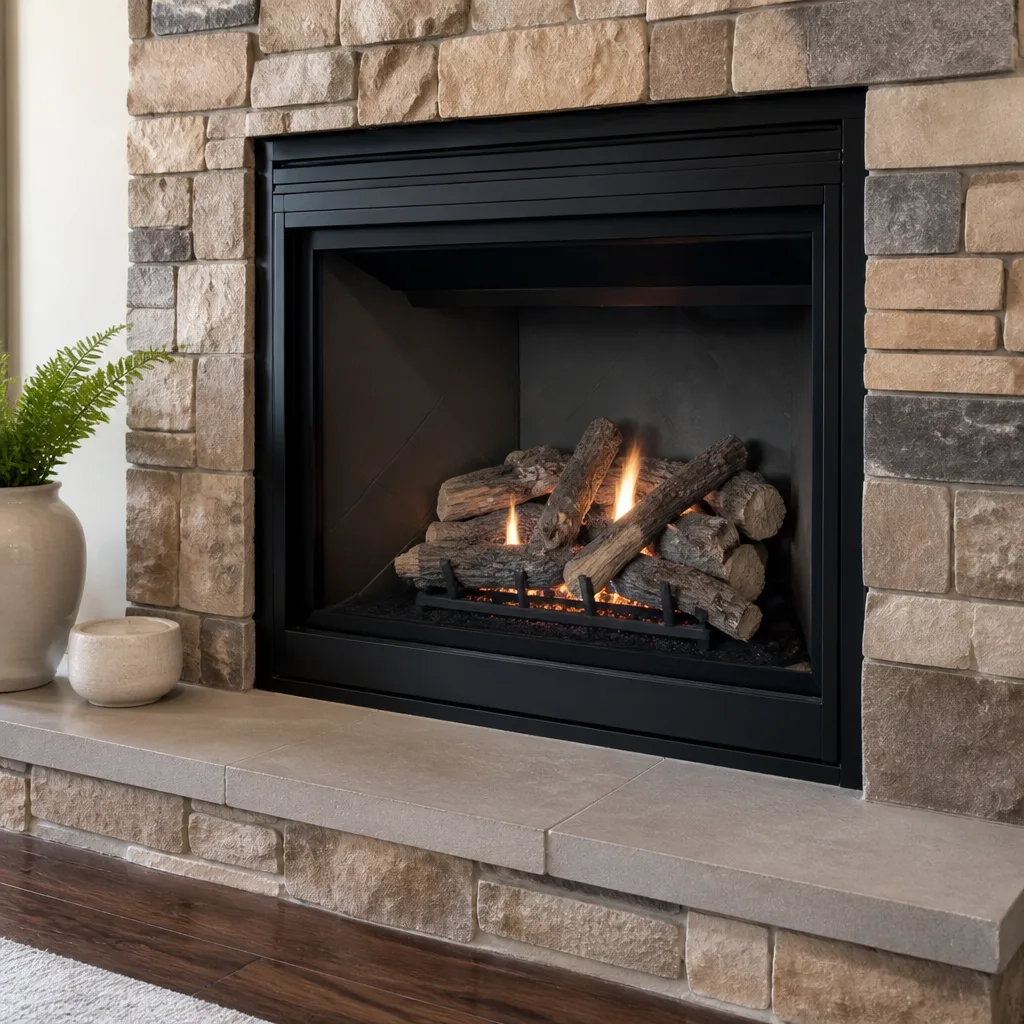
 Gas fireplace service
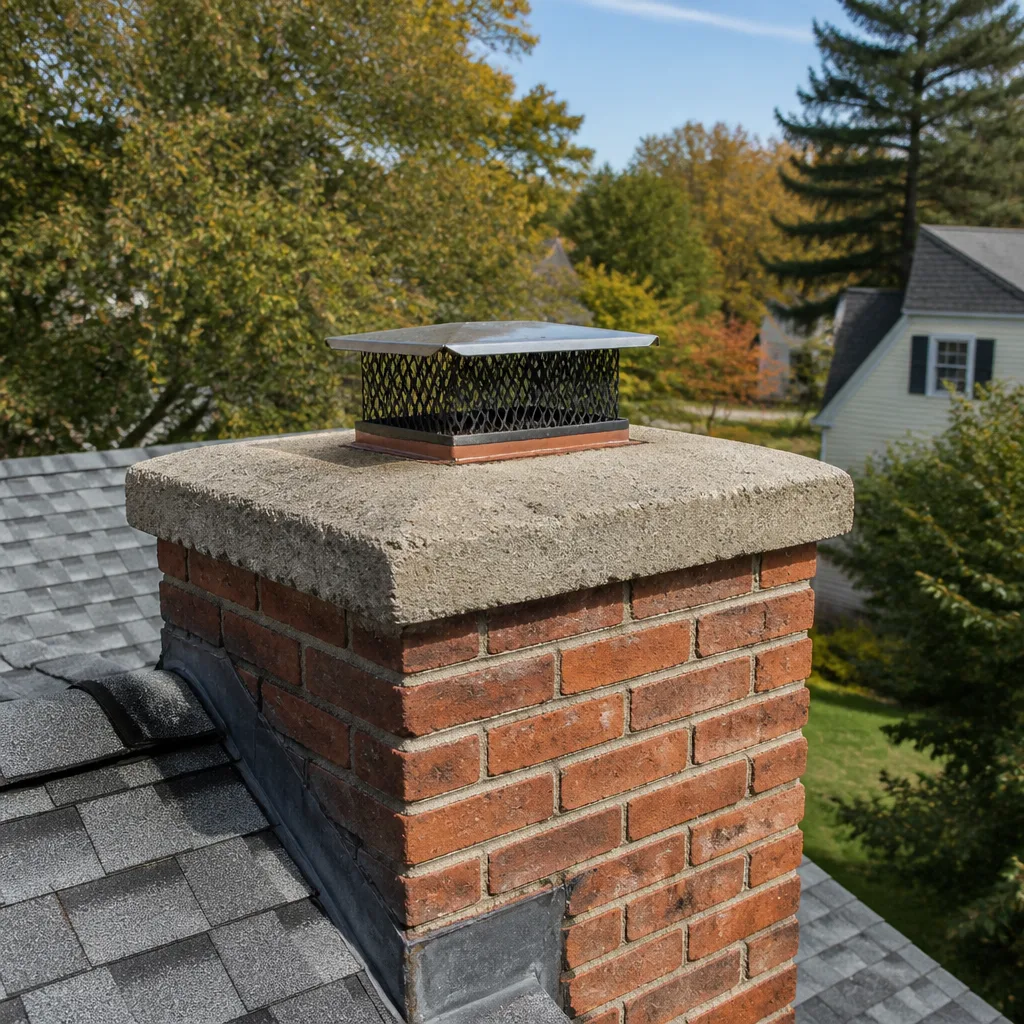 Sweep & inspection
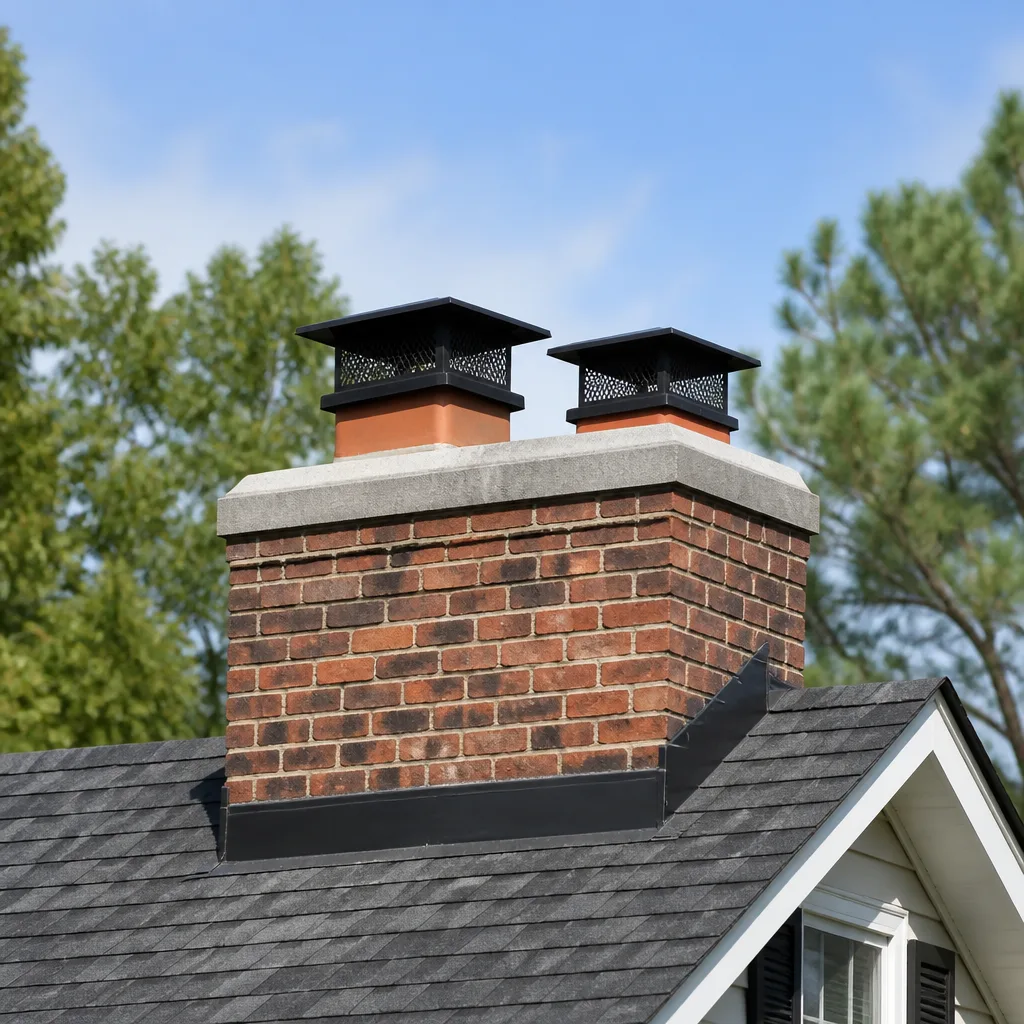 Caps & crowns
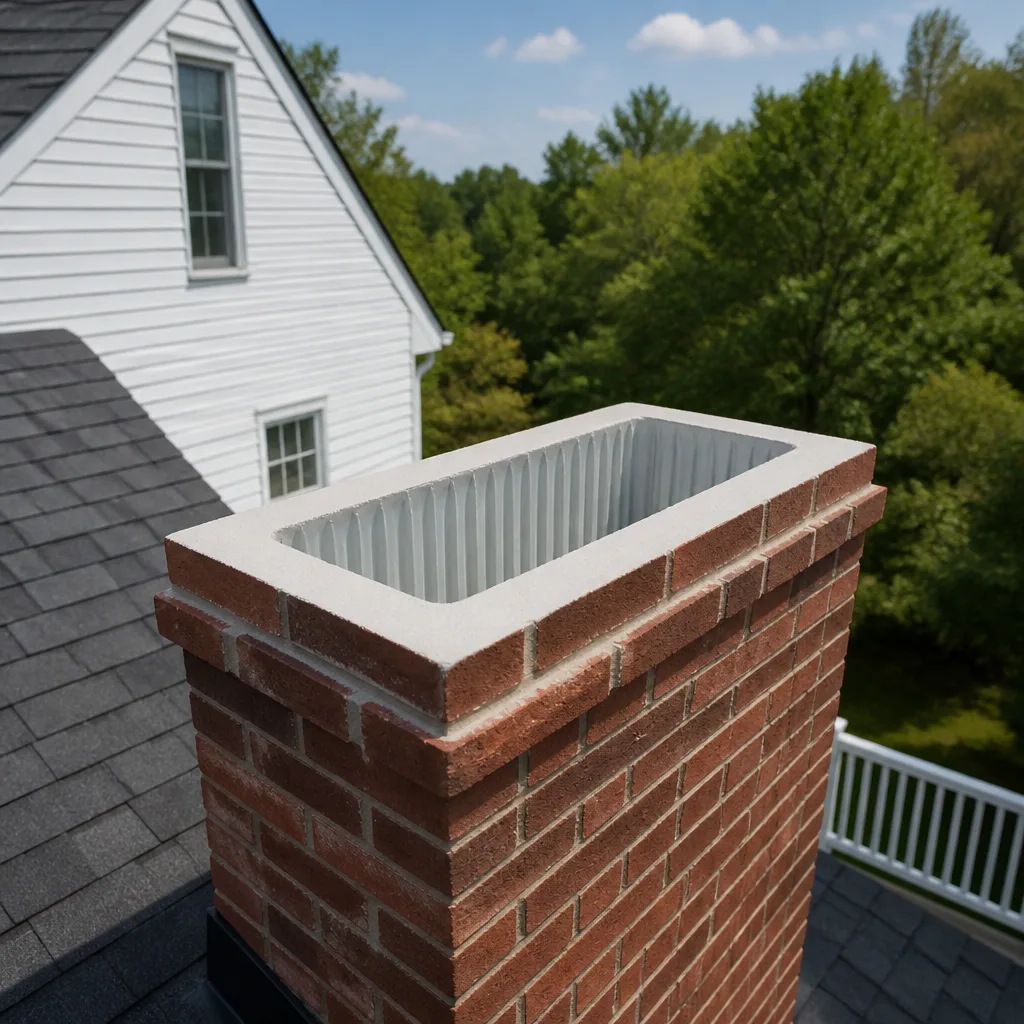 Flue relining
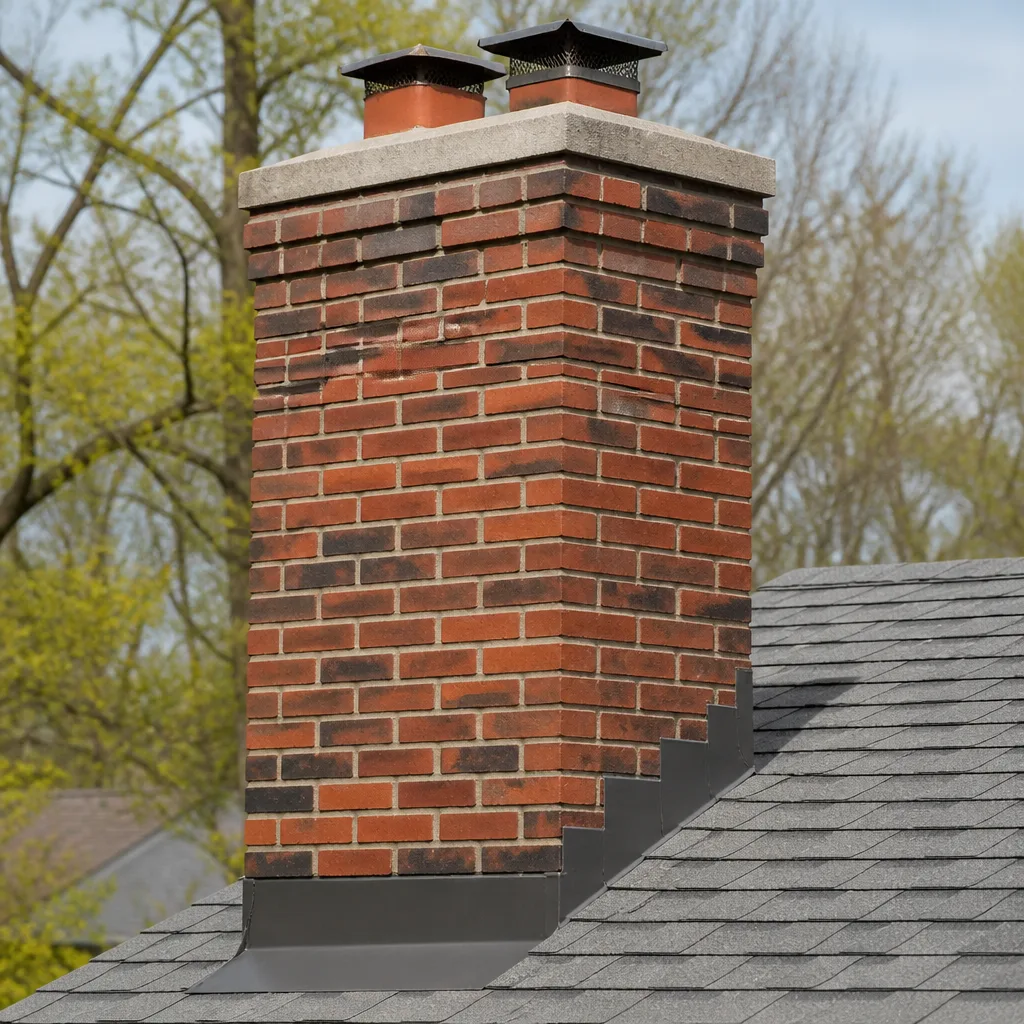 Masonry repair
Level 1 sweep and inspection to the NFPA 211 annual standard - flue, crown, cap, and flashing checked and photographed
Chimney sweep logs do not sweep chimneys. They loosen some creosote - which then falls where a brush and vacuum still have to collect it.
Why Hampton Homeowners Choose DuraFlex Chimney Cleaning
We provide independent DuraFlex chimney cleaning, inspection, and repair service in Hampton, VA. DuraFlex is a flexible stainless steel chimney liner, and we work on it as an independent service provider, not as a dealer or authorized agent. If you have a DuraFlex liner in your chimney and want someone who can read its stamping, check its insulation coverage, and look at the top plate and the firebox on the same visit, call us at (833) 572-0756 for a free estimate.
What makes our DuraFlex work different is that we treat the liner as a system, not a name. A flexible stainless liner only performs the way it should when the cap, top plate, tee, and appliance connector all fit together correctly. A lot of Hampton chimneys have a liner that was installed years ago and has never been opened up and checked from both ends. We do that check.
Key Takeaways
- We service and install DuraFlex flexible stainless liners in Hampton homes, with a Level 2 inspection included to show you what’s actually going on in the flue.
- Our technicians have up to 9 years of experience, and we work on DuraFlex alongside HeatShield, Gelco, Olympia Chimney, Famco, and Copperfield systems.
- We are not affiliated with or authorized by DuraFlex. We’re an independent shop that services the equipment.
- Creosote removal, cap replacement, and relining are all handled under one company.
The salt air and humid summers around Hampton are hard on chimney systems in a way inland Virginia cities never see. Soft brick spalls slowly, dampers rust, and water finds its way past a cap that’s lost its seal. When that water gets behind a DuraFlex liner, the symptoms show up inside the fireplace long before you’d think to look on the roof.
Why Trust Chimney Sweep Hampton for Your DuraFlex Chimney Cleaning?
We know DuraFlex liner systems because we work on them regularly, and we’ve seen what happens when they’re installed without enough attention to the details that matter. That means the top plate, the tee snout, the insulation wrap, and the appliance connector all get checked, not just the flue interior. When we recommend a repair, we can describe exactly what we saw and why it needs fixing.
We name the materials we use, and DuraFlex is one of them. Most chimney companies don’t tell you what brand of liner they’d install, which makes it hard to compare quotes or understand what you’re paying for. We’re the opposite. We work with professional-grade brands because we know what fits and what lasts, and we tell you which one we’d put in your chimney and why. Our technicians have up to 9 years of experience working on liners, dampers, caps, and the equipment that connects to them.
We’re also a dedicated chimney specialist. We sweep, we inspect, we repair, and we reline. That’s it. We don’t show up as a general handyman doing chimney work on the side. When we’re on your roof and in your firebox, chimney systems are what we do.
One thing worth saying plainly: we’re not DuraFlex-authorized, and we don’t claim to be. We service DuraFlex-equipped chimneys as an independent shop, which means we can give you an honest read on the liner without steering you toward a specific product for a sales reason.
Styles & brands we work with
- Sweep & inspection
- Caps & crowns
- Flue relining
- Masonry repair
- Gas fireplace service
Common DuraFlex Chimney Cleaning Problems We Fix in Hampton
DuraFlex liners are built to last, but they’re not immune to the conditions they run in. In Hampton’s humid subtropical climate, year-round dampness and salty air age a chimney differently than in a dry inland city. These are the problems we see most often with DuraFlex installations.
- Top plate loosening or sealing failure at the crown. This is the most common issue on a DuraFlex reline. The top plate is what seals the liner at the roof line, and when the seal opens, water runs down the outside of the liner and rusts the appliance connector from the top. The first sign is often a rust streak on the fireplace face or a smoky smell on damp days, not a call from the roof.
- Tee snout corrosion at the smoke shelf. On offset flues, the tee snout is the lowest point of the run, and that’s where creosote and condensate collect. Over time the snout can rot through, letting creosote and water sit against the smoke shelf. It’s one of the harder problems to spot from above because it’s below the visible flue interior.
- Creosote bridging between the liner and the flue wall. If the liner is slightly oversized for the flue, or the insulation wrap doesn’t run to full height, creosote bridges the gap between the liner and the brick. That trapped creosote is a fire hazard and it’s easy to miss during a basic sweep that only brushes the flue interior.
- Damper or damper frame pinching the liner. When the original metal damper or its frame is left in place and not properly removed or notched, it can pinch the flexible liner, restrict draft, and cause smoke to back up into the room. Dampers are also prone to rusting in Hampton’s damp winters, which makes the pinch worse over time.
- Water intrusion past missing or cracked caps after storm weather. After a nor’easter or tropical system moves through Hampton Roads, we see a spike in water-damaged chimneys, especially in low-lying neighborhoods like Buckroe and Fox Hill where wind-driven rain gets past caps that were never replaced. A DuraFlex liner that’s soaked from the top will keep smelling smoky until the cap and top plate are addressed.
A typical scenario: a homeowner with a DuraFlex reline calls because there’s a rust streak on the fireplace face and a smoky smell on damp days, even though the chimney was swept the year before. A Level 2 inspection with a camera usually shows the top plate seal has opened at the crown, water tracking down the outside of the liner, and creosote built up at the tee snout where the offset turns. The usual fix is resealing and re-securing the top plate, removing the creosote at the tee, and checking the appliance connector before the next burn season.
DuraFlex Parts & Our Repair-vs-Replace Approach
DuraFlex-specific parts should match the liner’s diameter and its insulation rating. Top plates, caps, tees, appliance connectors, and insulation wraps that don’t match can seat incorrectly, leaving a gap where water and creosote collect. Generic caps and hardware often don’t fit the top plate properly, and that’s where a lot of the water damage we see starts. We use quality parts that fit DuraFlex equipment; we don’t stock OEM or genuine DuraFlex parts, and we don’t claim to.
Our repair-versus-replace decision comes down to what the inspection shows. If the existing liner is sound but under-insulated, or if the crown and flashing are the actual leak, relining the top end and resealing is the honest repair. Full replacement is the right answer when the tee or a flexed section has failed structurally. We’ll tell you which one applies and show you the photo evidence.
If you’re not sure what’s wrong with your liner, call (833) 572-0756 and we’ll set up a Level 2 inspection.
Our DuraFlex Service Process – Step by Step
- 1
Diagnosis. We start with a Level 2 inspection that includes a camera run of the flue interior and a look at the crown, top plate, liner stamping, and insulation coverage. We check the firebox and appliance connector from below on the same visit, because the failures that matter are only visible from both ends.
- 2
Repair or install. Depending on what the inspection finds, we reseal or re-secure a loosened top plate, replace a corroded tee snout, remove a pinching damper or notch the frame, replace a failed cap, or reline the flue with a properly sized DuraFlex liner. Parts are matched to the liner’s diameter and rating.
- 3
Test. After the repair, we run a draft test and check for water intrusion at the crown. We’ll also check the appliance connector and firebox for rust or creosote buildup before we call it done.
- 4
Warranty and documentation. We’ll give you a clear written account of what we found, what we did, and what to watch for, so you have a record for your chimney and a reference if you ever need warranty service from DuraFlex. Warranty-safe practice means we don’t swap in parts that don’t fit or alter the liner in ways that would create a coverage problem.
See the difference
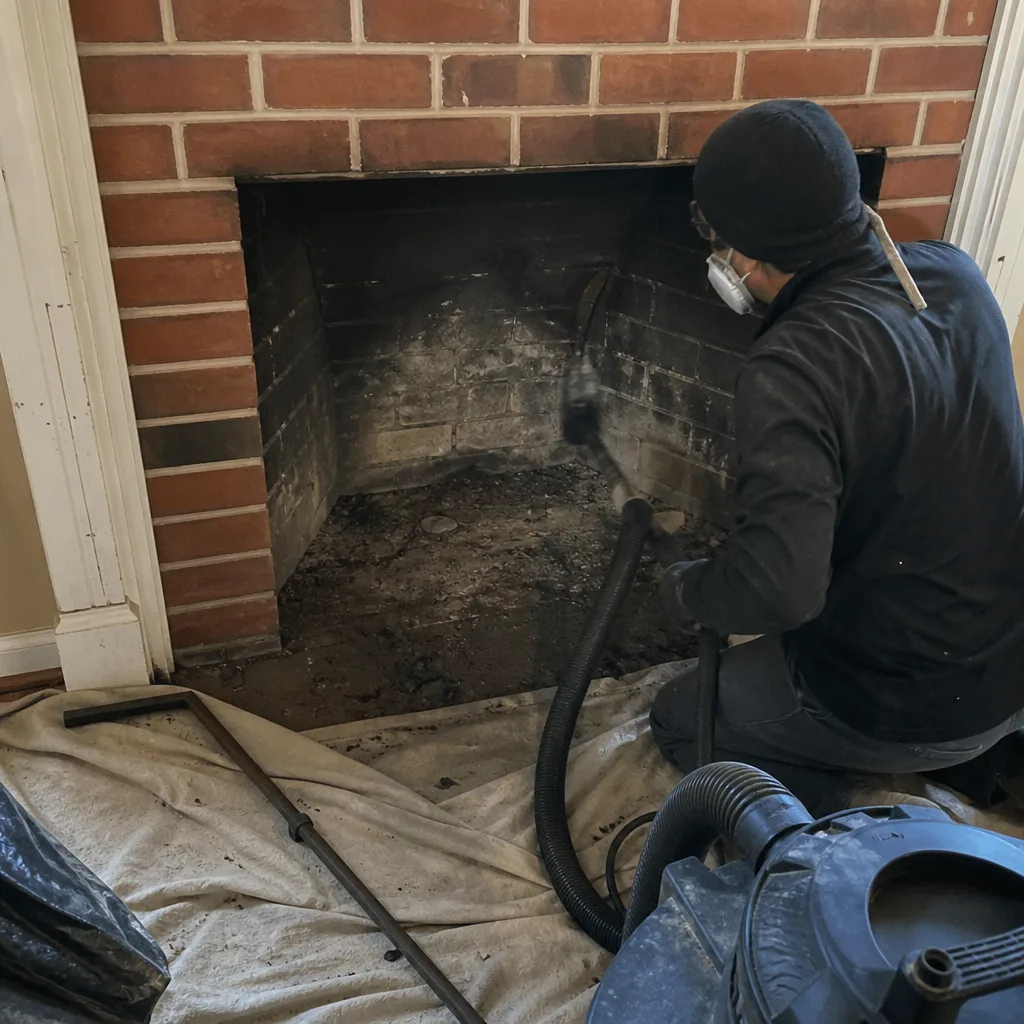 Before
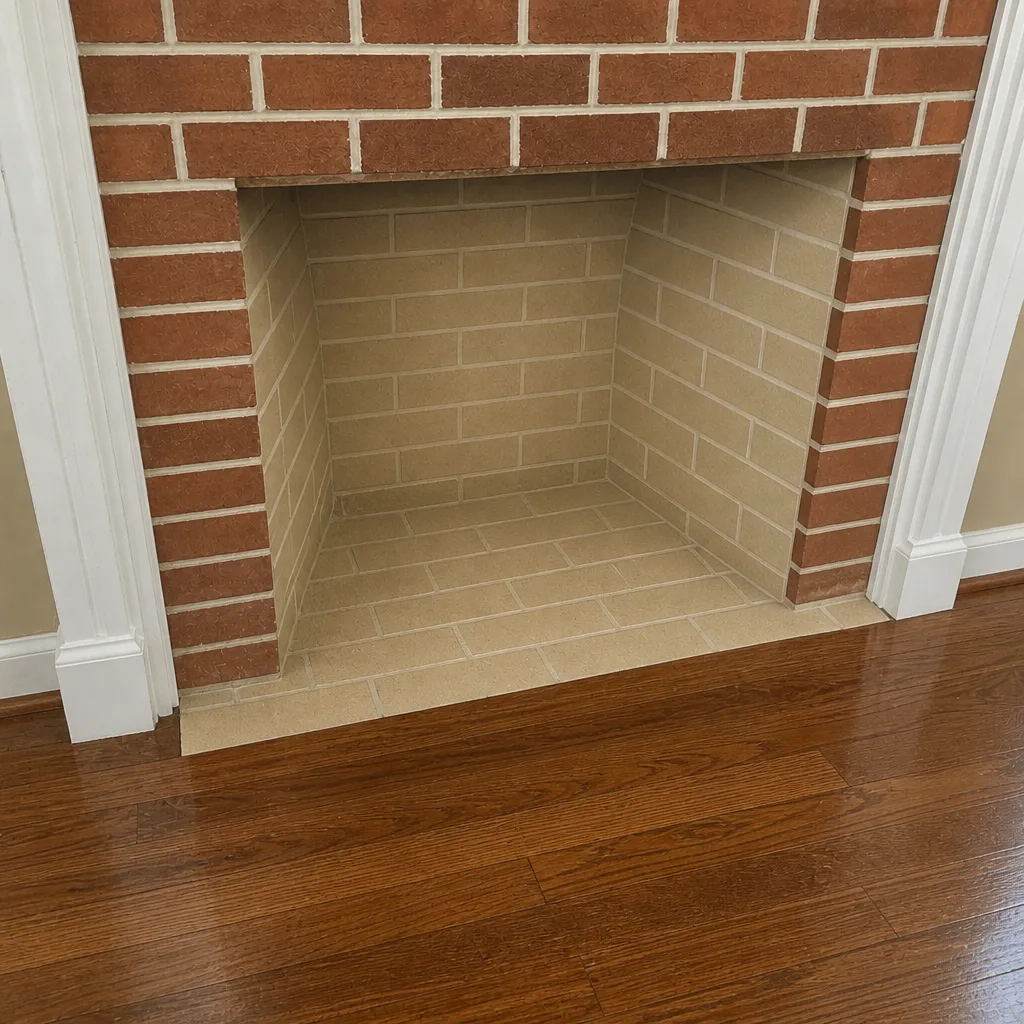 After
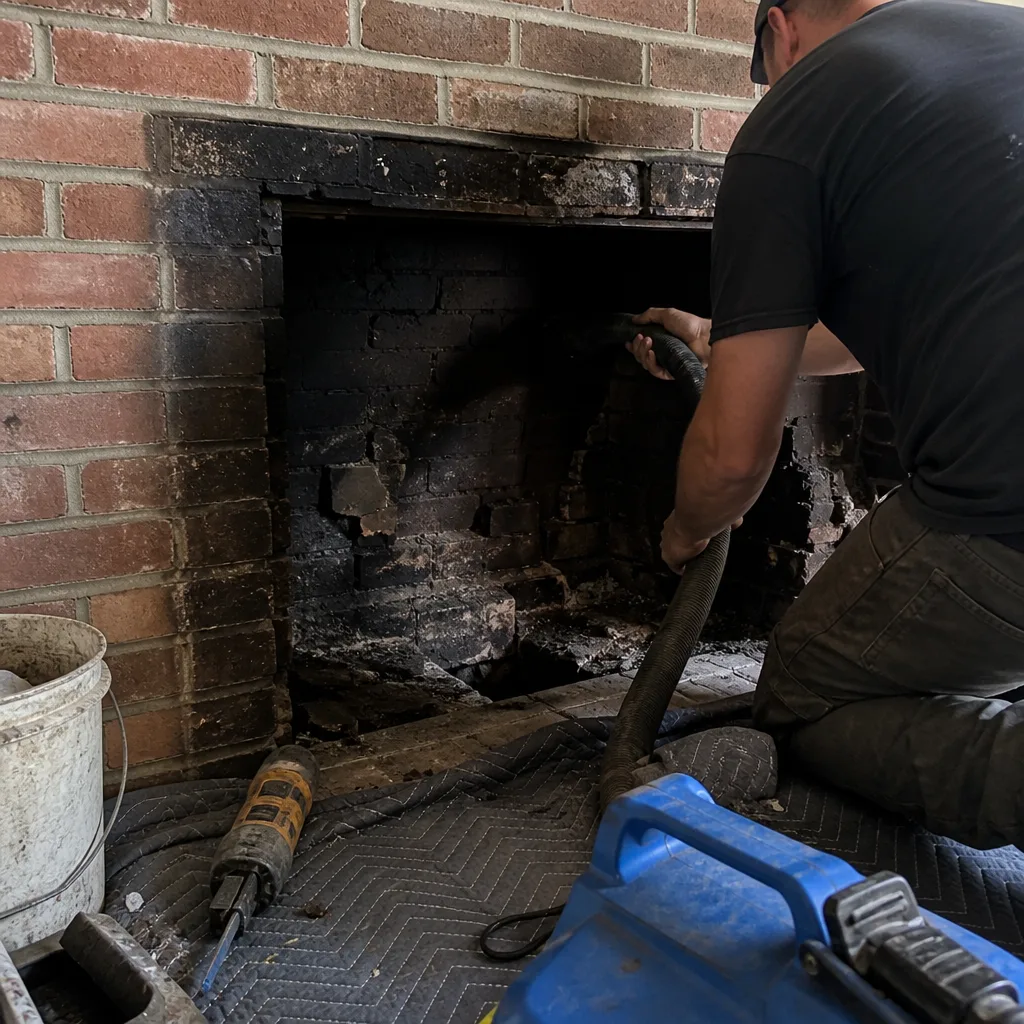 Before
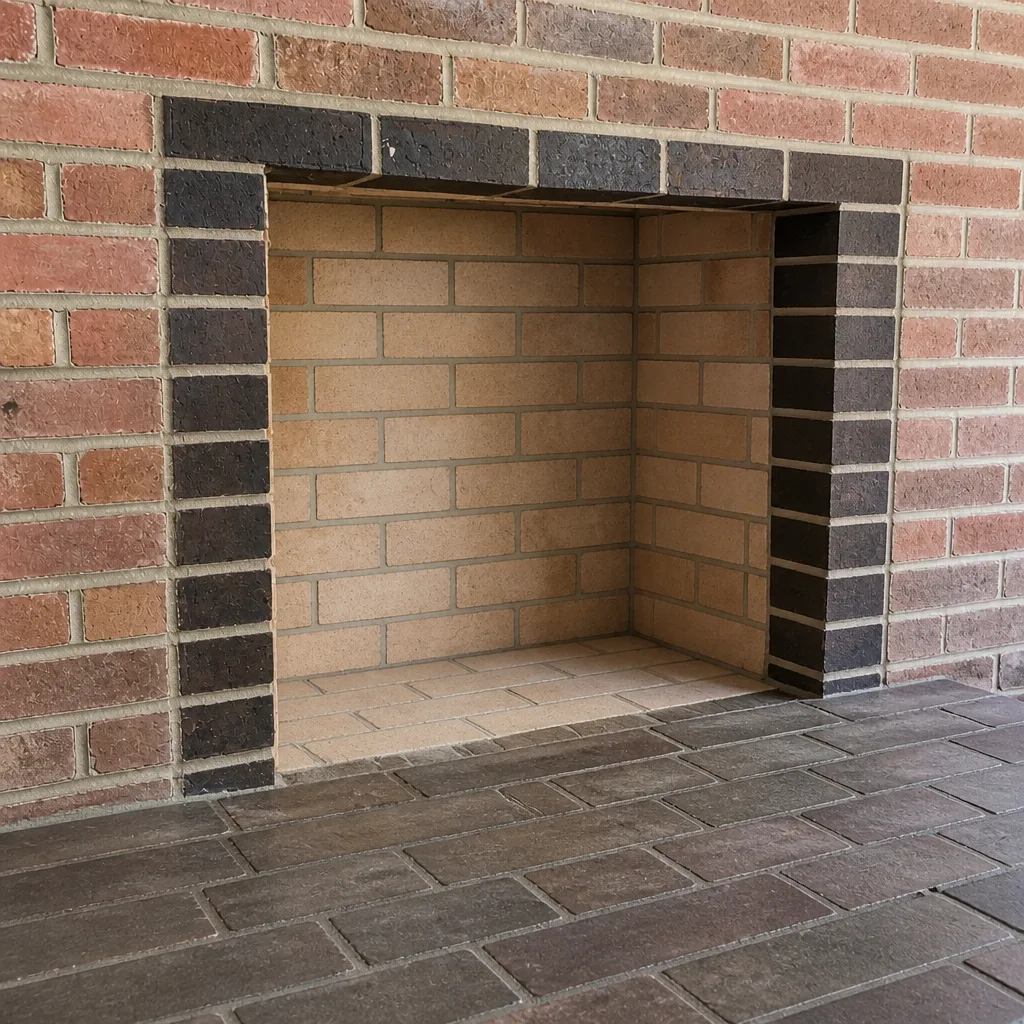 After
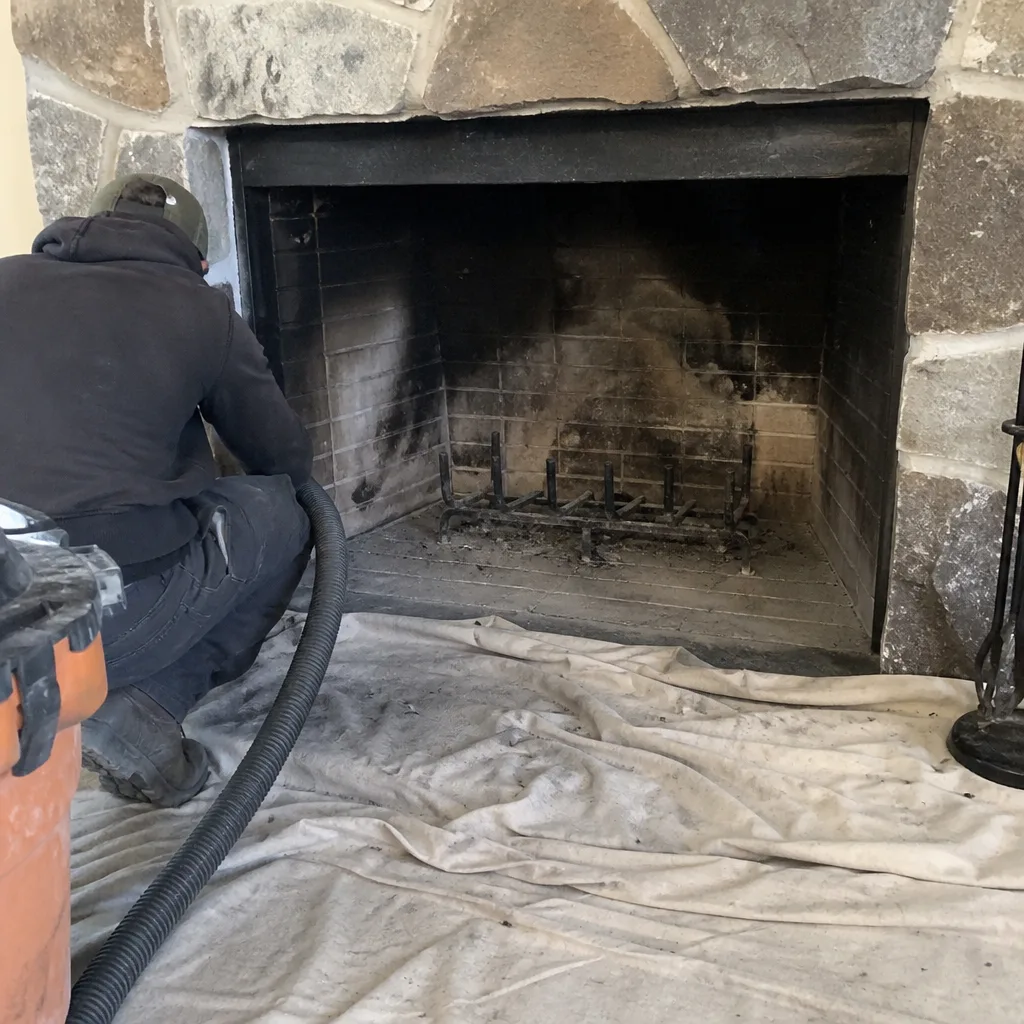 Before
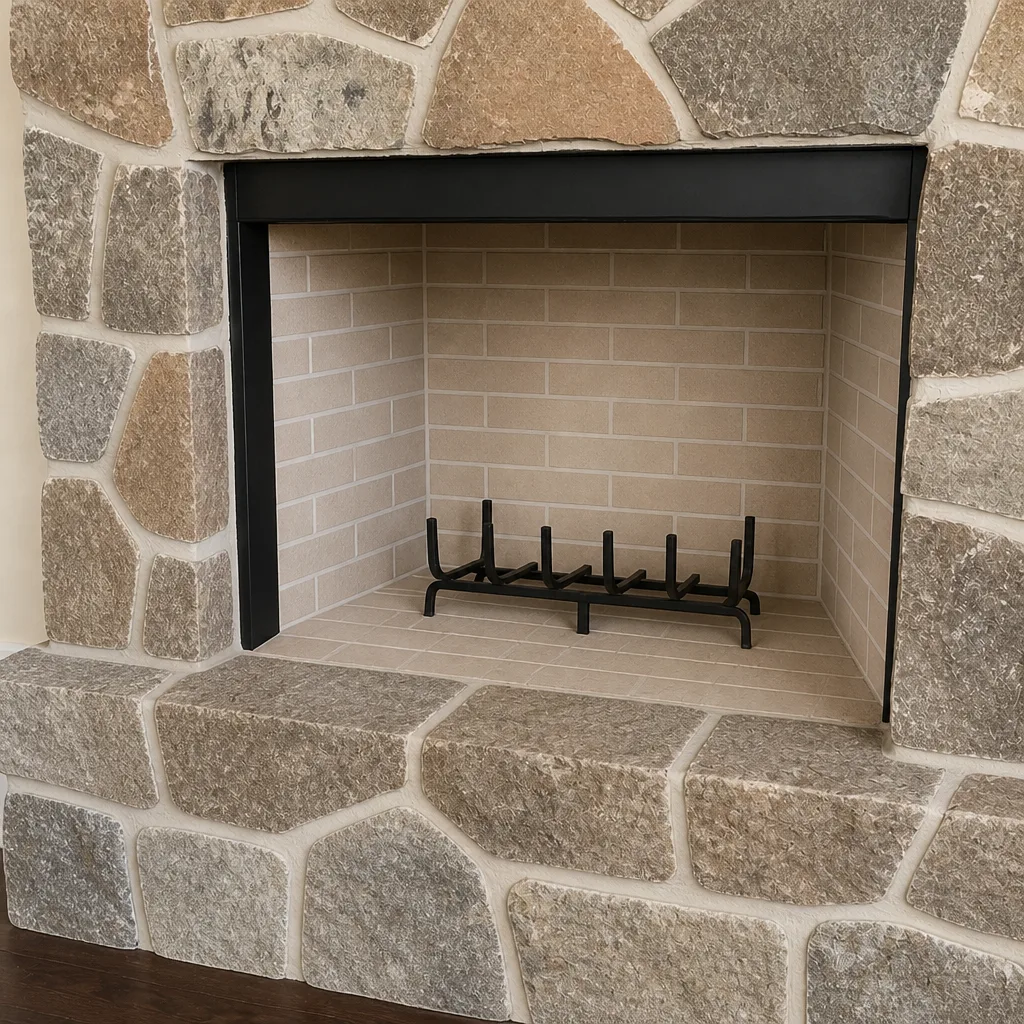 After
DuraFlex Products We Service & Install in Hampton
We service and install the main kinds of DuraFlex liner systems Hampton homeowners have. That includes DuraFlex SW single-wall flexible stainless liners, DuraFlex Pro double-wall insulated flexible liner kits, DuraFlex reline kits with top plate and cap, and DuraFlex tee and tee-snout assemblies for offset flues. We work with these on cleaning visits, cap replacement, and full relining projects.
If your chimney has one of these systems and you’re not sure of its condition, a Level 2 inspection tells you what you have. Some liners that look fine from the top are under-insulated, and some that look rough are still serviceable. We check the stamping and the insulation before recommending anything.
We Also Service These Brands
DuraFlex is one of several professional-grade brands we work with. We also service HeatShield liner resurfacing systems, which address deteriorating mortar joints without a full liner replacement, and Gelco caps and venting products. Being multi-brand means we can recommend what actually fits your chimney instead of forcing everything into a single product line.
FAQs – DuraFlex Chimney Cleaning Service in Hampton
No. We’re an independent shop and we’re not authorized, certified, or affiliated with DuraFlex. We service DuraFlex-equipped chimneys and use quality parts that fit the equipment, but we don’t represent the manufacturer and we’re not a DuraFlex dealer. That independence means our recommendation comes from what the inspection shows, not from a product line we’re tied to.
You usually can’t tell with certainty from the firebox alone, but there are clues. A camera run of the flue will show the liner’s wall thickness and whether there’s an insulation wrap around it. The liner’s stamping, visible at the top or through the firebox, also identifies the wall type. A Level 2 inspection is how you confirm which you have, because the difference matters for draft, creosote buildup, and how the liner handles Hampton’s damp winters.
A smoky smell in wet weather usually means water is getting into the chimney and combining with creosote, which produces that acrid smell. The most common cause on a DuraFlex reline is a top plate seal that’s opened at the crown, letting rain track down the outside of the liner. A cracked or missing cap after a nor’easter can do the same thing. A camera inspection confirms which one you’re dealing with, and both are repairable.
Often, yes. The tee snout is the lowest point of an offset run, and it can rot through from creosote and condensate collecting there. If the liner itself is sound and the header is intact, the snout can usually be replaced on its own. If the tee has failed structurally or the liner is flexed and damaged near the tee, that’s when replacement becomes the honest answer. Call (833) 572-0756 for an inspection and we’ll tell you which applies.
A DuraFlex liner needs a cap that matches the top plate and the liner’s diameter. Generic caps often don’t seat correctly on the top plate, which is where a lot of the water intrusion starts. We use caps that fit the equipment, and we check the cap and top plate as part of every DuraFlex cleaning and inspection visit. That fit is part of why we name the materials we use.
Any glazed or heavily built-up creosote in the flue is a sign to stop burning until it’s cleaned. Glazed creosote is the form that ignites most readily, and in a DuraFlex system it often collects at the tee snout or bridges the gap between the liner and the flue wall when the insulation wrap doesn’t run to full height. Creosote removal is the fix, and we do it before recommending anything else.
We set the price per job with a written estimate, and the estimate is free. We don’t quote a call-out fee or a diagnostic fee; the written estimate is the price. Sweeping, Level 2 inspection, cap replacement, and repair are priced by scope, and a DuraFlex-specific issue like a tee snout or top plate adds to the estimate only when the inspection confirms it. Call (833) 572-0756 for an exact quote, and we’ll book a time that works for you.
A standard DuraFlex cleaning visit usually takes under two hours, while a Level 2 inspection with a camera run takes longer because we’re looking at the top plate, the tee, and the insulation coverage as well as the flue interior. Repairs like a top plate reseal or a tee snout replacement generally run a few hours, and a full relining project takes longer and gets scheduled separately. We’ll tell you what to expect before we start.
Book Your DuraFlex Service in Hampton, VA
If you’ve got a DuraFlex liner in your Hampton chimney and you’re not sure it’s ready for burning season, we’ll come out, run a camera through it, check the top plate and the tee, and show you what we found. We handle the sweep, the inspection, and the repair from one company. Call (833) 572-0756 for a free estimate. We answer 24/7, with dispatch from 7am to 7pm, Sunday through Friday.
Written by the team at Chimney Sweep Hampton.