
Last updated November 16, 2026
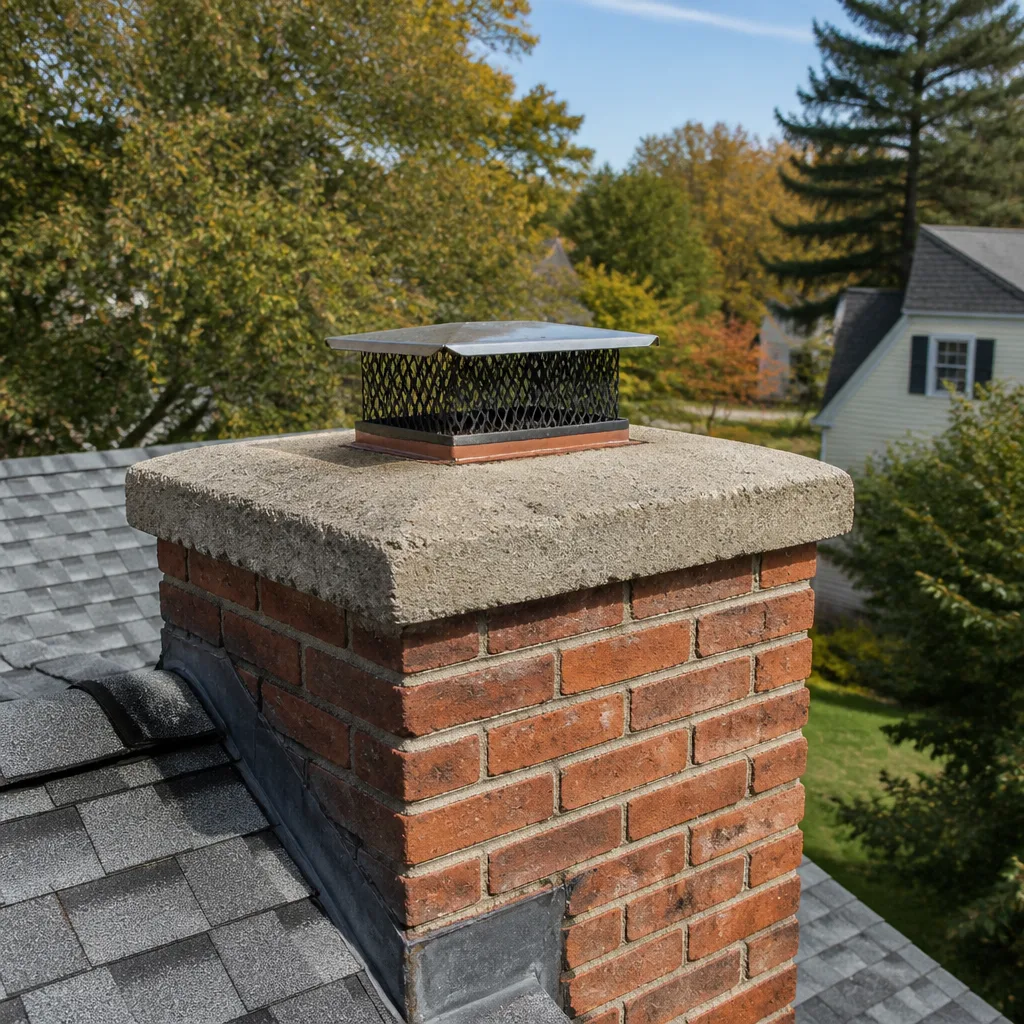 Sweep & inspection
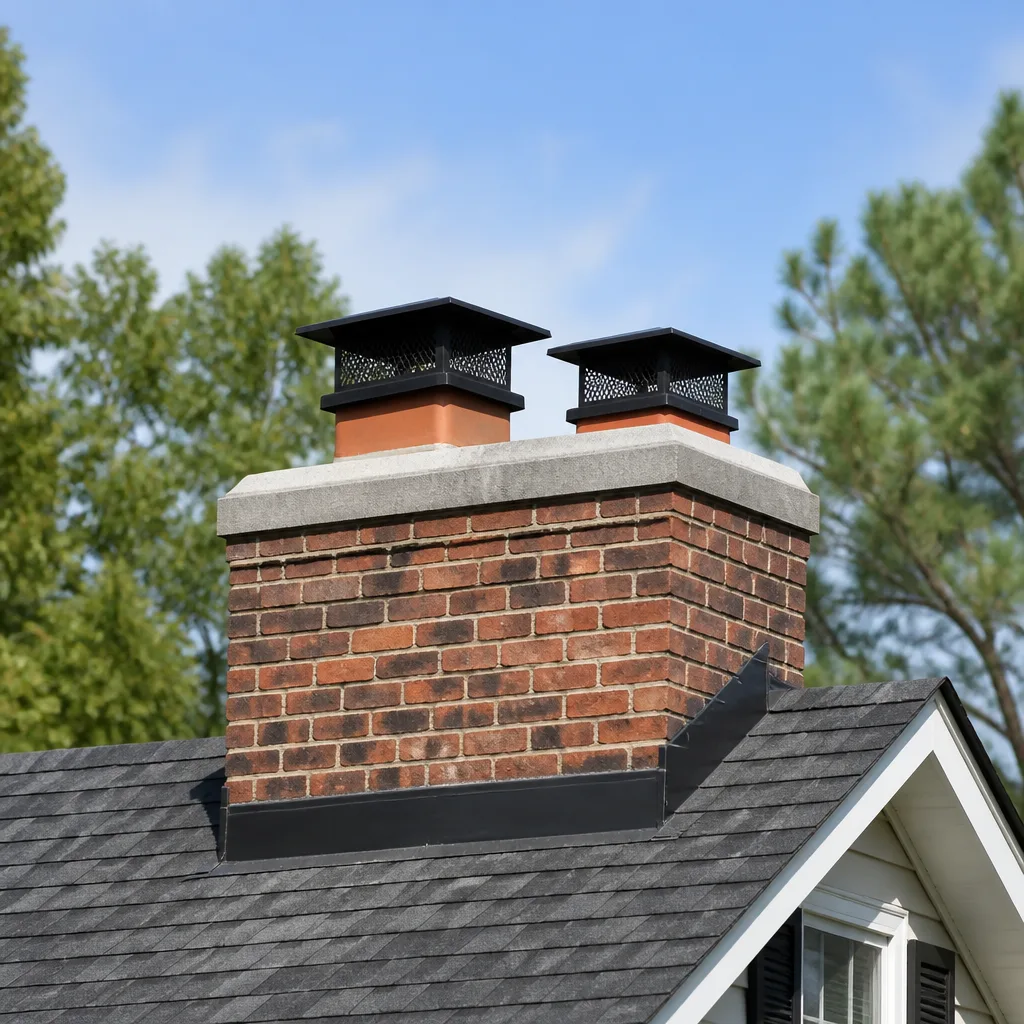 Caps & crowns
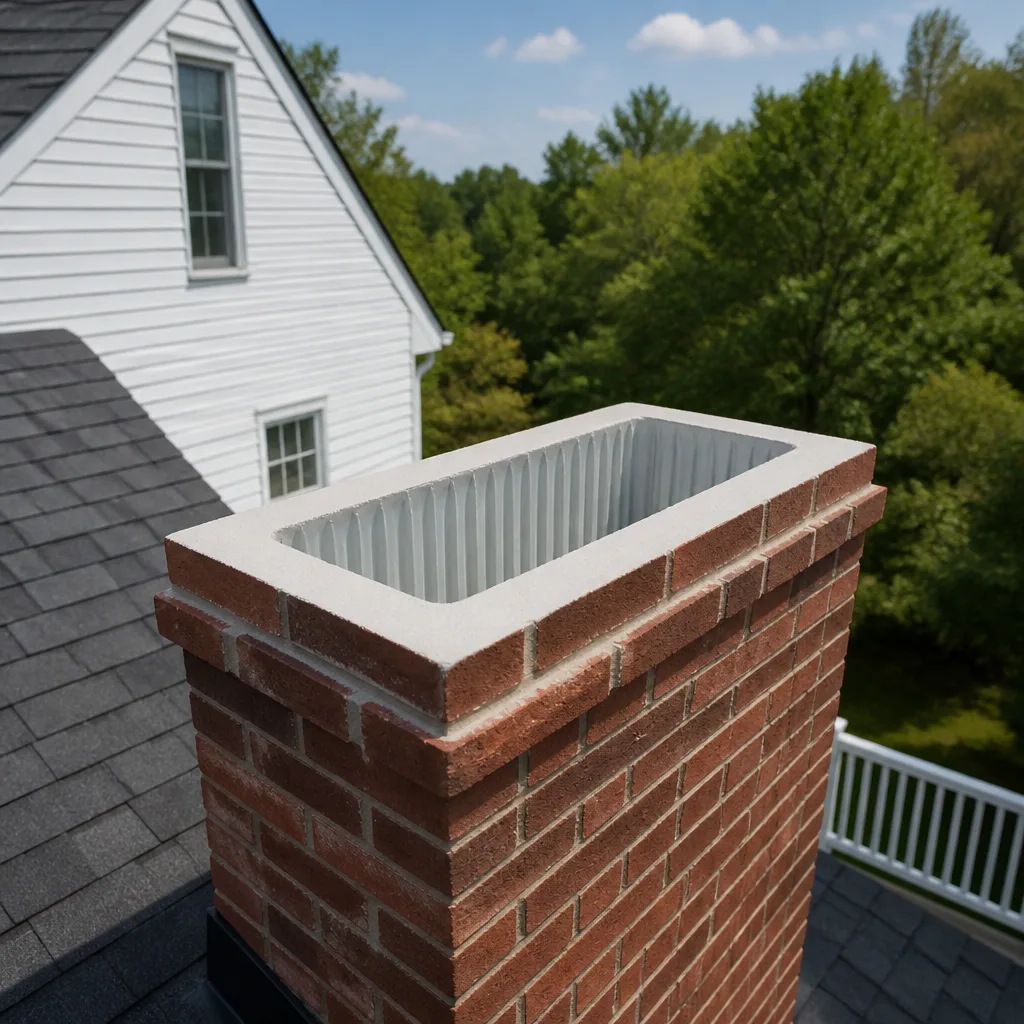 Flue relining
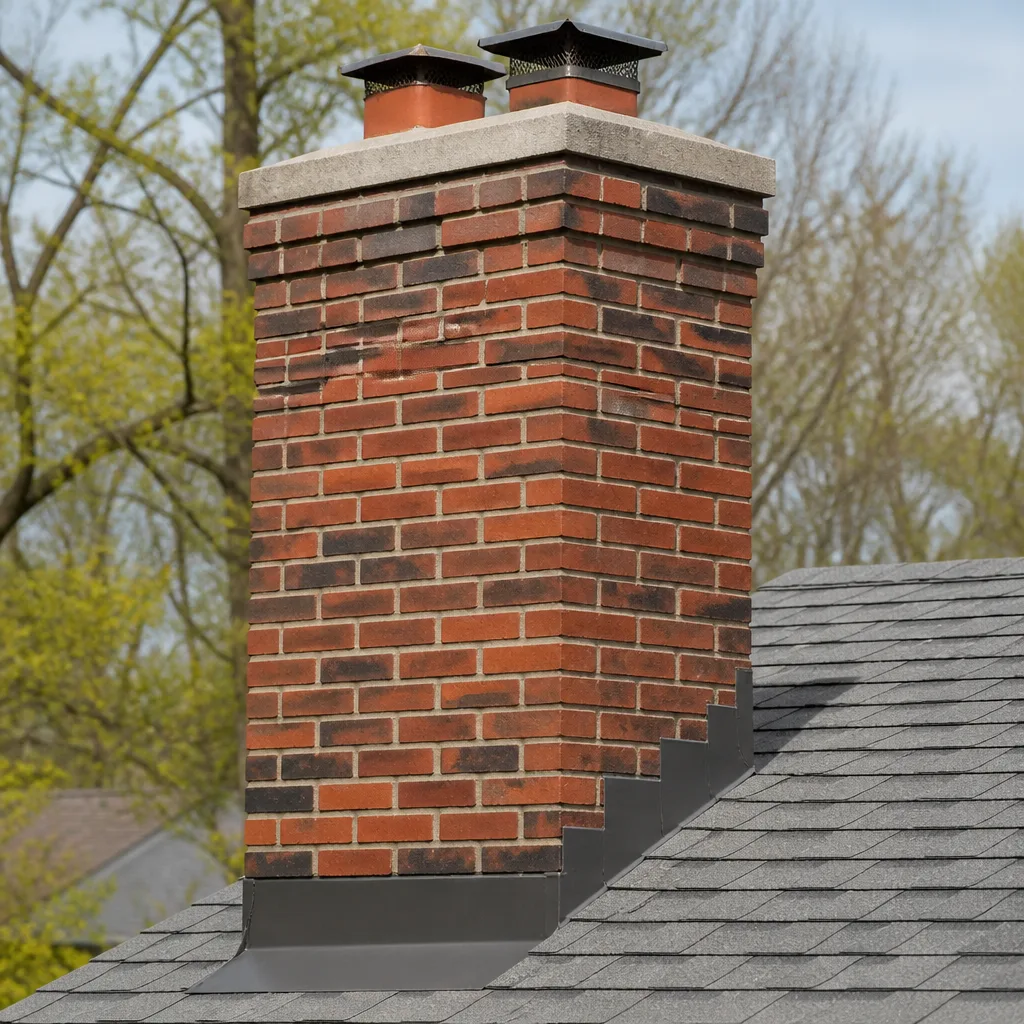 Masonry repair
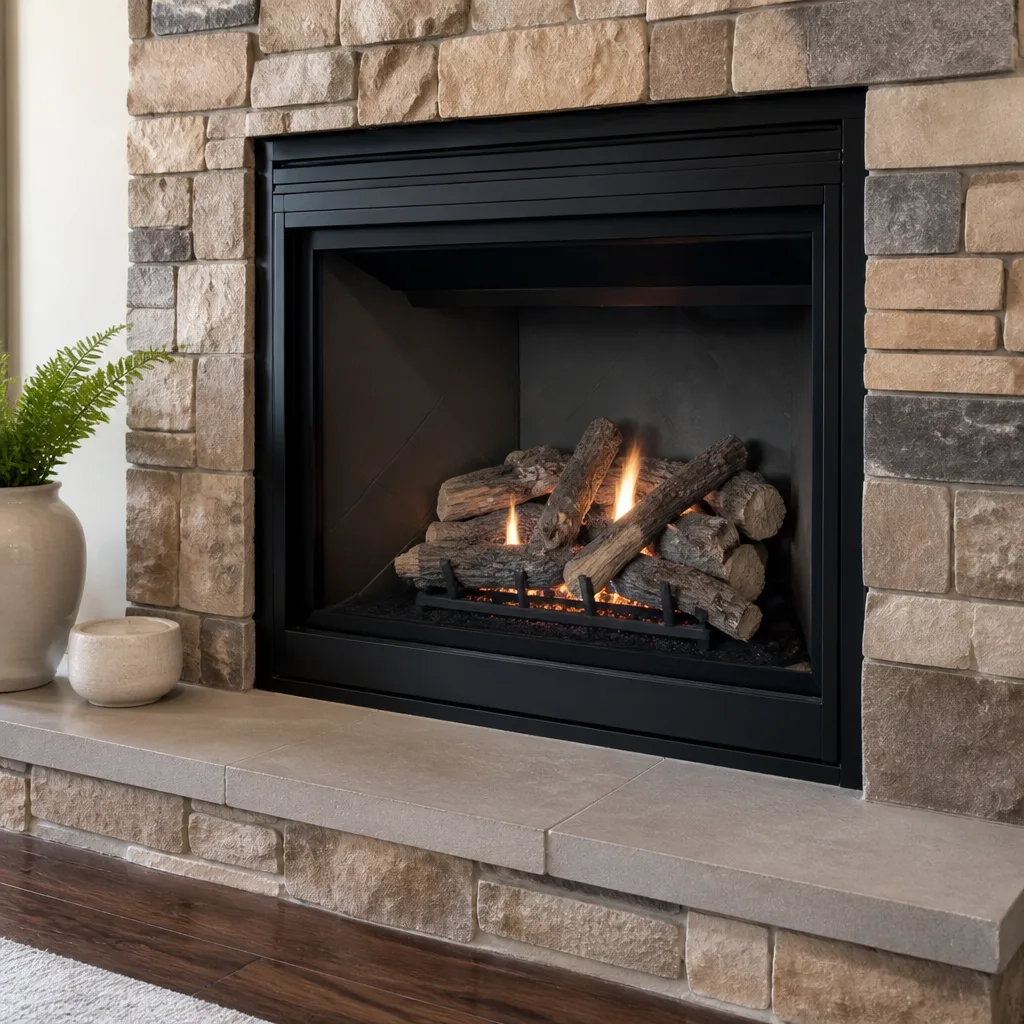 Gas fireplace service
Level 1 sweep and inspection to the NFPA 211 annual standard - flue, crown, cap, and flashing checked and photographed
Chimney sweep logs do not sweep chimneys. They loosen some creosote - which then falls where a brush and vacuum still have to collect it.
Chimney Cleaning Permits, Codes & Inspections in Hampton, VA: What You Need to Know
A cleaning is maintenance. A liner replacement is construction. The line between the two matters more than most contractors will tell you upfront, especially when you’re selling your home. Here’s the part that surprises people: sweeping your flue and rebuilding your firebox are not the same category of work in the eyes of Virginia code, and treating them the same can cost you at closing or during an insurance claim. This guide walks through which chimney jobs in Hampton need a building permit, which don’t, how the Virginia Uniform Statewide Building Code and Hampton’s local amendments apply, and what a Level 2 inspection report actually does in a real estate transaction. If you own a wood-burning fireplace or stove in Hampton, this is the paperwork side of chimney ownership nobody explains until it bites.
Quick Answer
In Hampton, routine chimney sweeping is maintenance and does not require a building permit. Work that changes or rebuilds part of the chimney structure, such as a full liner replacement, a firebox rebuild, or a new cap or chase cover installation in some cases, is generally classified as construction and usually does require a permit under the Virginia Uniform Statewide Building Code as administered locally. A Level 2 inspection is required by industry standard when a property changes hands or after a chimney fire, chimney earthquake, or major weather event. Always confirm the specific permit requirement with Hampton’s building department before work begins, because the classification depends on the scope of the job.
Styles & brands we work with
- Sweep & inspection
- Caps & crowns
- Flue relining
- Masonry repair
- Gas fireplace service
Table of Contents
- The line between maintenance and construction: which chimney work needs a permit in Virginia
- How Hampton’s local amendments to the Virginia code apply to chimney work
- What a Level 2 inspection report means in a real estate transaction
- How unpermitted chimney work surfaces during a home sale
- The insurance angle: unpermitted work and chimney fire claims
- The three inspection levels and when each is appropriate
- Permit fees, timelines, and what homeowners should expect
- Where the DIY line sits and why it matters in Hampton
The line between maintenance and construction: which chimney work needs a permit in Virginia
Virginia’s building code separates maintenance from new construction, and chimney work straddles both sides of that line. Sweeping, removing creosote, checking a damper, and cleaning a firebox are maintenance. Changing the chimney system itself falls under construction. The distinction comes down to whether the work alters the structure, the flue, or the venting path of the chimney.
Here’s the practical division homeowners in Hampton ask us about most often:
- Permit typically NOT required: chimney sweeping and creosote removal, basic inspection, damper adjustment, replacing a fire grate, installing a spark screen, and routine cap maintenance on an existing cap.
- Permit usually required: a full chimney reline or liner replacement (whether stainless like DuraFlex or cast-in-place like HeatShield), a firebox rebuild that involves masonry or refractory work, a new chimney cap or chase cover installed as a new component, a new wood stove or insert installation, and any change to the flue’s dimensions or material.
- Depends on scope: crown repair, flashing repair, and chimney chase repairs. Minor surface repairs often don’t require a permit; structural repair of the chimney chase generally does.
We’re often asked whether a cast-in-place liner like HeatShield counts as a “repair” or a “replacement.” The answer in Virginia typically hinges on whether the job restores the existing liner in place or replaces the flue system. HeatShield resurfacing restores deteriorated mortar joints inside an existing flue; a full DuraFlex stainless liner installs a new flue. Both can be right answers for the right chimney, but they’re classified differently when the permit office reviews the scope.
If you’re unsure which side your job lands on, ask before booking. That’s a phone call to the Hampton building department and a phone call to your contractor, and it’s cheaper than discovering the answer at closing. Our chimney sweep visits in Hampton always include a clear written scope so you know whether the next step is routine maintenance or permit-reviewed work.
How Hampton’s local amendments to the Virginia code apply to chimney work
Virginia adopts the Uniform Statewide Building Code (USBC) at the state level, and localities like Hampton administer it with local amendments that mostly affect administration, fees, and the permit process rather than the core technical requirements. In practice, that means the chimney construction requirements you’ll see in the code are consistent across Virginia, but the permit process in Hampton is run through the city’s building department with its own forms and fee schedule.
For a Hampton homeowner, the code-driven elements that matter most are:
- Clearances. Chimneys and connectors must maintain clearance to combustibles per code. This is where a lot of older Hampton homes show problems, especially surrounds and attic penetrations that have been altered over the decades.
- Liner requirements. A flue must have a proper liner sized to the appliance. New appliance installs must meet current liner standards; older installations are grandfathered until the appliance changes.
- Height and termination. The chimney must extend above the roof to code height so drafting works and smoke clears the structure.
- Cap and spark screen for solid fuel. A spark arrestor cap is standard on wood-burning chimneys and factors into insurance and code discussions.
Hampton’s climate adds a wrinkle: hot, humid summers followed by cold winters and a lot of seasonal rain. That cycling works on masonry and mortar joints, and it’s why we see a fair amount of liner deterioration in older homes around Phoebus, Buckroe, and the Wythe area. High humidity drives moisture migration through the masonry; winter freeze-thaw then opens joints. When a HeatShield resurfacing addresses those joints without a full liner replacement, that’s a repair; when the liner can’t be saved, that’s a reline, and the permit classification changes with it.
One thing to check: some Hampton homes with wood inserts and gas logs have had the appliance swapped without the flue being updated. That’s a code problem and often an insurance problem, and it usually only surfaces when an inspection report gets written.
What a Level 2 inspection report means in a real estate transaction
A Level 2 inspection is a visual inspection of accessible portions of the chimney, including the attic, crawlspace, and any accessible interior of the flue using a camera, plus the exterior. It’s required by industry standard (NFPA 211) whenever a property changes hands, whenever a chimney has had a fire or major event, or whenever the appliance or fuel type changes. In a real estate transaction, that’s the report a buyer’s inspector typically requests.
For the seller in Hampton, here’s what the report actually does:
- Documents the condition at the time of sale. A dated report with photos creates a record of what existed before closing. Without it, the buyer’s inspection is the only record, and their findings become the negotiating baseline.
- Flags code issues that affect the sale. Unpermitted liner work, incorrect clearances, and inadequate liners show up in a Level 2 report as findings the buyer’s lender may require to be remediated.
- Becomes a scope document. A good report clarifies whether the next step is routine sweeping or a constructible repair, which is often the difference between a quick contingency and a stalled sale.
In practice, we recommend a pre-listing Level 2 for any Hampton home with a wood-burning fireplace or stove, especially if the chimney hasn’t been inspected in over a year. A buyer’s inspector will order one anyway; getting it done before listing means the seller sets the narrative, not the buyer. For a full explanation of what a Level 2 covers and how we do it, see our Hampton chimney inspection page.
The report itself is not a permit and not a warranty. It’s a snapshot of the system’s condition on the day of the inspection. But it’s the document that most reliably separates a clean sale from a contentious one.
How unpermitted chimney work surfaces during a home sale
Unpermitted chimney work in Hampton typically surfaces the same way it does everywhere: at the point of disclosure. The most common ways a buyer or lender finds out are:
- The buyer’s Level 2 inspection report identifies a liner, firebox, or cap that doesn’t match what was disclosed, and the inspection report notes “no permit record found” for the associated work.
- The city’s permit history search during due diligence shows a liner replacement recorded with no corresponding permit, which flags the scope for review.
- The seller’s disclosure form asks about permitted work, and an honest “no” triggers the buyer’s inspector to dig further.
- The insurance carrier’s underwriting review turns up a claim history or policy condition tied to the chimney that the carrier compares to the permit record.
Once it surfaces, the cost to resolve retroactively is rarely just the permit fee. It usually involves:
- A building inspection of the existing work, which may require opening up access points
- Corrections if the work doesn’t meet current code, sometimes including re-doing portions of the install
- Re-inspection fees and administrative fees from the city
- Delays at closing, which can cost far more than the correction itself
- In some cases, a full re-do of the work because the original install can’t be verified as code compliant
We’ve seen the scenario play out enough to know it’s better to ask the question before listing. A reline done years ago without a permit is common, especially if the homeowner used a contractor who framed it as “repair” rather than “replacement.” The fix isn’t necessarily dramatic; sometimes the correction is documentation plus a small amount of remediation. Sometimes it’s a permit and a re-inspection. The point is that the sooner the record is clean, the cheaper it is to clear it.
If you’re getting ready to sell, our Chimney Sweep Hampton team can write a Level 2 report you can hand to the buyer’s inspector before they start. Cameras go in, photos come out, and the report is what it is.
The insurance angle: unpermitted work and chimney fire claims
Most homeowners insurance policies cover chimney fires as sudden and accidental events, with a big caveat: coverage can be reduced or denied if the fire is traced to faulty, unpermitted, or non-code-compliant work the homeowner should reasonably have known about. That caveat is where unpermitted chimney work becomes a real financial problem, not just a permit technicality.
Here’s how a carrier typically looks at a chimney fire claim:
- Was the chimney cleaned and inspected on a reasonable schedule? A current inspection report helps. A gap of many years with no documentation hurts.
- Does the liner match the appliance? A wood stove on an unlined flue, or a liner that was never permitted and doesn’t meet code, tends to pull the claim into a coverage dispute.
- Was the work recorded? Carriers increasingly cross-reference with city permit records. A reline that should have been permitted but wasn’t can read as undisclosed work.
- Did the homeowner follow the inspector’s recommendations? Ignored findings from a prior inspection are commonly cited in claim adjustments.
The practical takeaway is not that every homeowner must permit every repair. It’s that the paper trail matters when there’s a fire. A dated inspection report, a clear cleaning record, and permits on structural work all sit between you and a coverage dispute. In our experience, the most common problem we see with unpermitted chimney work in Hampton is not the fire itself, it’s the claim conversation afterward.
We can work with your insurer on documentation, and we can provide the inspection and photo report that a carrier will ask for. We don’t file claims for you, but we write the report the adjuster needs.
The three inspection levels and when each is appropriate
The National Fire Protection Association recognizes three levels of chimney inspection, and which one you need depends on the situation, not on the calendar.
- Level 1 inspection. A visual check of the readily accessible parts of the chimney and connected appliance, done without tools that would require opening access panels or reaching into concealed spaces. A Level 1 is what’s appropriate with an annual sweep when the appliance hasn’t changed and there’s no known problem.
- Level 2 inspection. The Level 1 scope plus accessible portions of the attic, crawlspace, and any accessible interior of the flue using a camera. This is the inspection required when a property is sold, an appliance or fuel changes, or a chimney has been through a fire, earthquake, or major weather event.
- Level 3 inspection. The most thorough, used when a Level 1 or Level 2 identifies a hidden hazard and accessing it requires opening parts of the chimney or building. Level 3 is diagnostic and typically follows a specific finding, not a routine visit.
For most Hampton homeowners, the annual pattern is: Level 1 with a routine sweep, and Level 2 at sale or after any event that could have affected the flue. Where this breaks down is when an inspection is skipped for several years and then a Level 2 turns up deferred problems that a Level 1 would have flagged earlier. Deferred maintenance costs more to correct; that’s not a scare tactic, it’s the normal math on moisture and mortar.
If you’re not sure which level you need, describe your situation on the phone. We’ll tell you what the inspection involves and what it doesn’t, so you’re not buying scope you don’t need. If you want to see how our chimney repair work fits onto an inspection report, the process is written up on that page.
Permit fees, timelines, and what homeowners should expect
Hampton’s permit fees vary with the scope of work and are set by the city’s current fee schedule. We don’t quote permit fees without checking the current schedule, because they change and because the classification of the job determines the fee. As a rough guide, a liner replacement or firebox rebuild typically falls into a construction permit category with a fee based on the project valuation, while minor repair work may be classified differently.
Timelines depend on the city’s review queue and the scope of work. As a general expectation:
- Simple construction permits (single trade, clear scope, complete application) typically move through review on a matter of days, not weeks, once the application is complete.
- Inspections during work are scheduled by the contractor after the work reaches the required stage. Chimney liner installs, firebox rebuilds, and stove installs each have their own inspection points.
- Certificate of occupancy or final inspection closes out the permit once the work is complete and inspected.
What we tell Hampton homeowners: plan for the permit process, don’t plan around it. If you’re relining before winter and the seasons are turning, start the conversation in early fall, not the week of the first cold snap. The permit process is not the bottleneck most people worry it is, but it is a process, and it depends on the scope being documented clearly. That’s part of why our written scope matters. If the scope is accurate, the permit classification is straightforward, and the inspection goes faster.
Where the DIY line sits and why it matters in Hampton
Chimney work is one of those categories where the DIY line is clearer than people assume. Sweeping a flue with a proper brush is within reach for a careful homeowner, and there’s nothing wrong with doing it yourself if you understand the system. What crosses the line:
- Working on the roof or above the roofline. Height work is dangerous, and a fall from a roofline is a serious injury. Roof access for chimney work is not a DIY task.
- Anything involving the liner or the flue. Liner installation, HeatShield resurfacing, and flue repair all carry real risk of creating a hazard you can’t see from the firebox.
- Gas appliances. Any work on a gas fireplace, gas log set, or gas line is a job for a licensed professional, full stop. Carbon monoxide risk is not a hypothetical.
- Firebox and masonry. Refractory panels, mortar joints, and firebox rebuilds are structural. Done wrong, they create pathways for heat and smoke behind the masonry.
- Electrical components. Blowers, igniters, and electronic controls on gas and pellet appliances need a licensed trade.
We don’t publish step-by-step instructions for the risky parts, and that’s deliberate. A homeowner who reads a guide and tries to install a liner themselves is taking on a task with real injury potential and real code implications. Our view is that the annual sweep is maintenance you can learn; everything above the firebox line is a professional’s job. The same logic applies to the paperwork: if a job requires a permit, it requires the kind of work a permit is designed to verify.
Common Mistakes to Avoid
- Treating a liner replacement as “the same as a cleaning.” A liner is construction. Assuming it’s maintenance because the contractor calls it a “repair” is how unpermitted work starts.
- Skipping the Level 2 inspection before listing a Hampton home. The buyer will order one anyway; getting it done first lets you control the timing and the corrections.
- Believing a sweep report replaces a permit. A sweep report documents cleaning and condition. A permit documents construction. They aren’t interchangeable, and lenders know the difference.
- Ignoring a prior inspection’s recommendations. Carriers look at whether findings were acted on. Deferred items are commonly cited in claim adjustments, and the gap grows more expensive.
- Using a general handyman for liner work. Chimney systems are a specialty. A generalist who sweeps as a side service won’t have the product line depth (HeatShield, DuraFlex, Olympia Chimney, and similar professional-grade supplies) to do the job to code.
- Assuming a cap install is always minor. A new cap or chase cover on some Hampton roofs is classified as a new component, and it may require a permit depending on scope and connection details.
- Not asking for the permit classification in writing. A one-line description on an estimate (“reline”) isn’t enough. Ask the contractor to state the scope so the permit question is answerable.
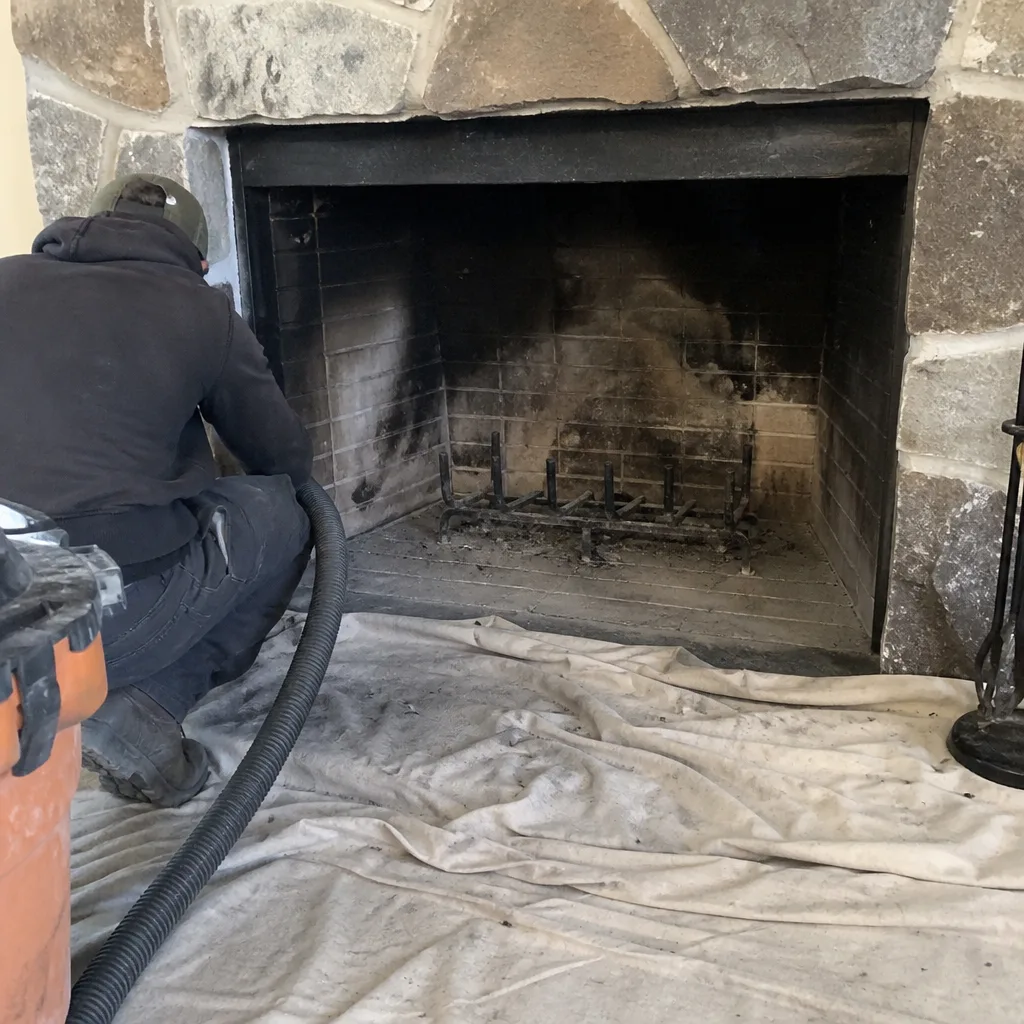
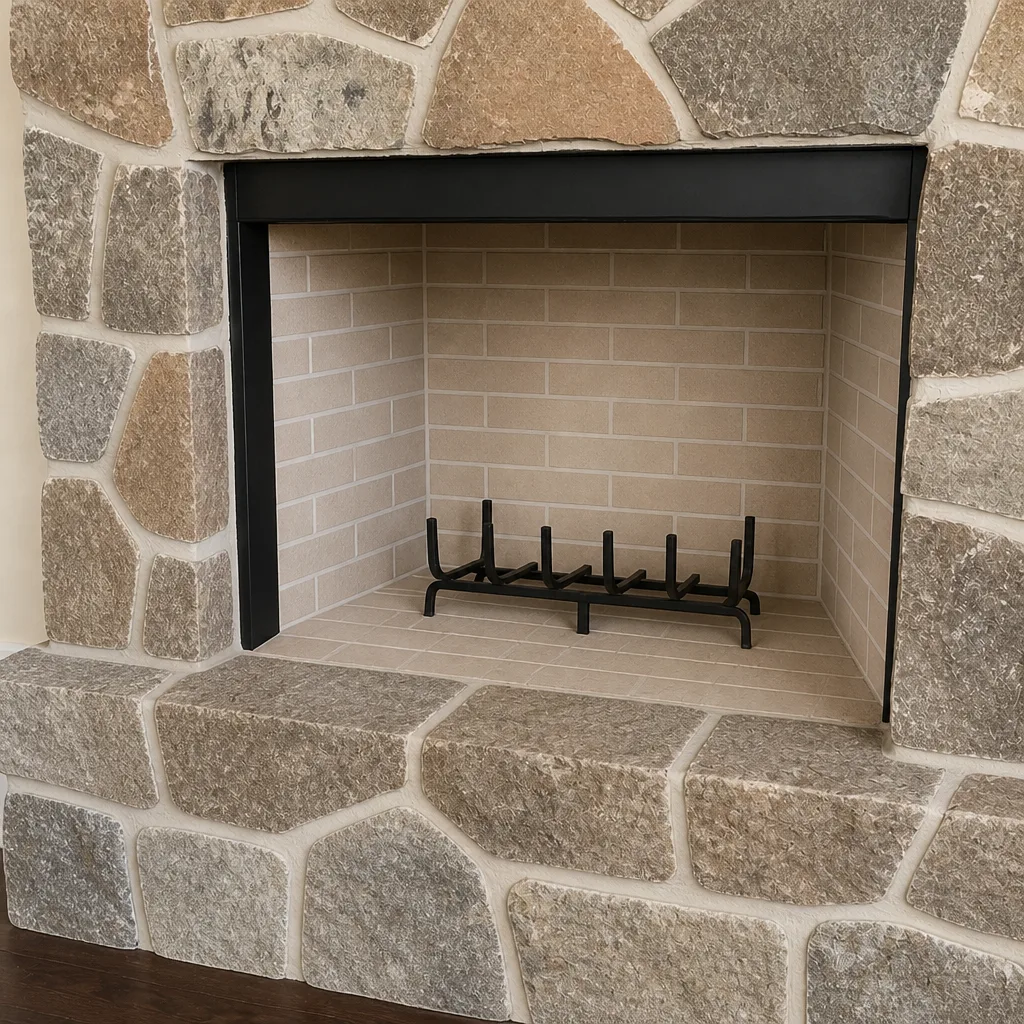
See the difference
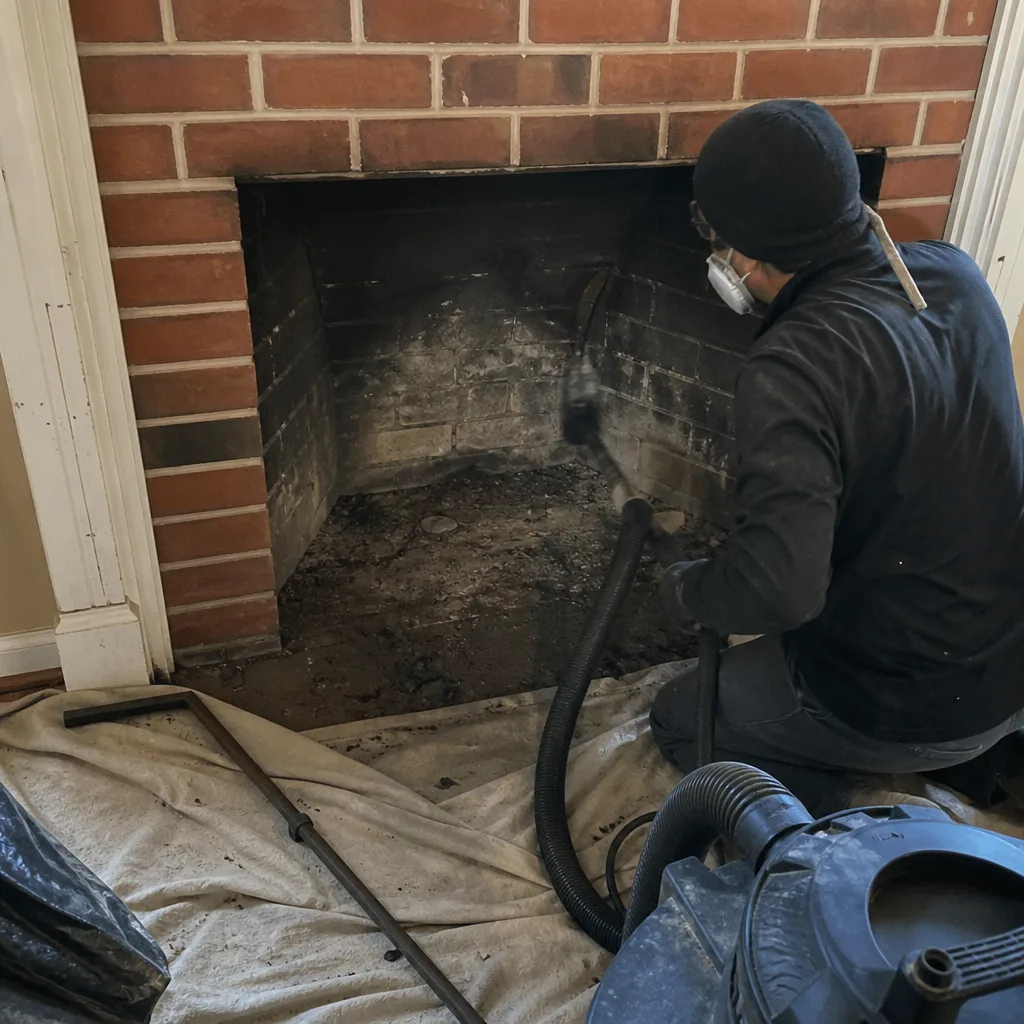 Before
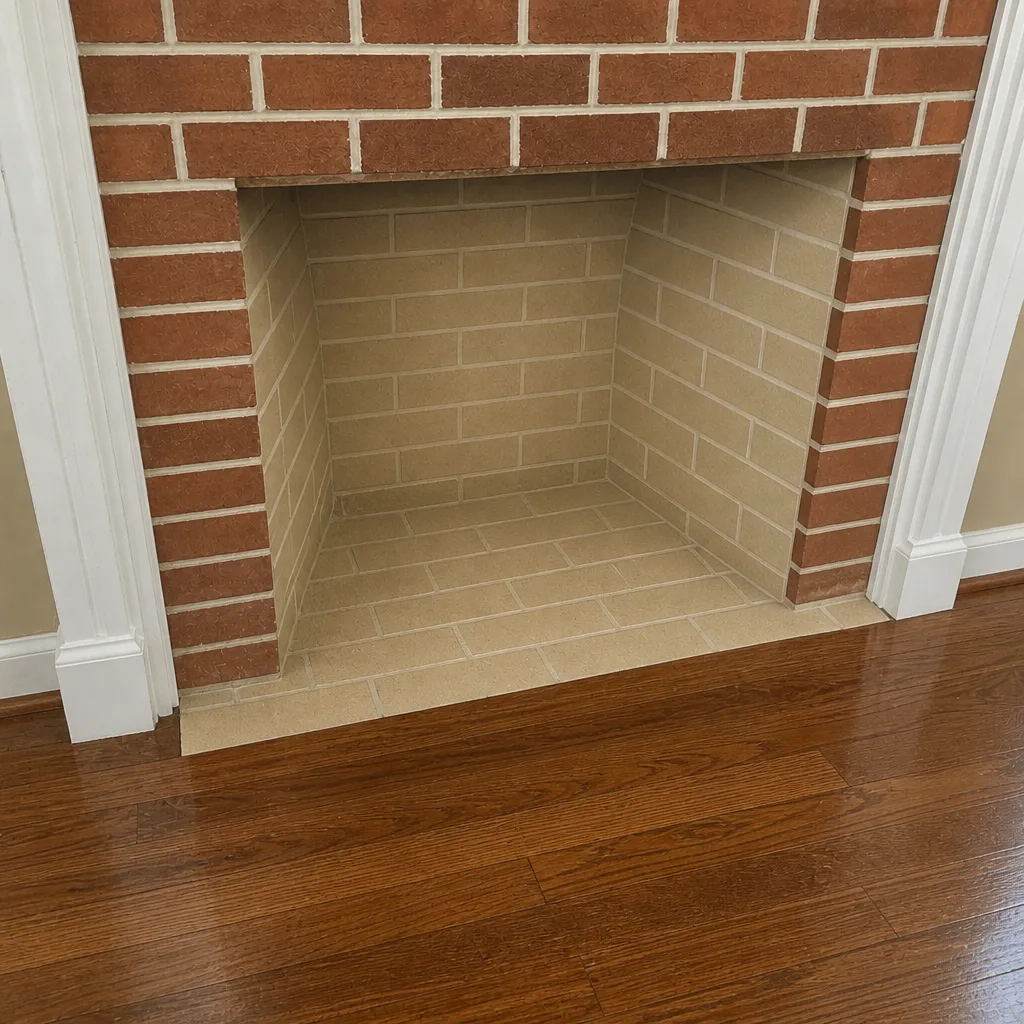 After
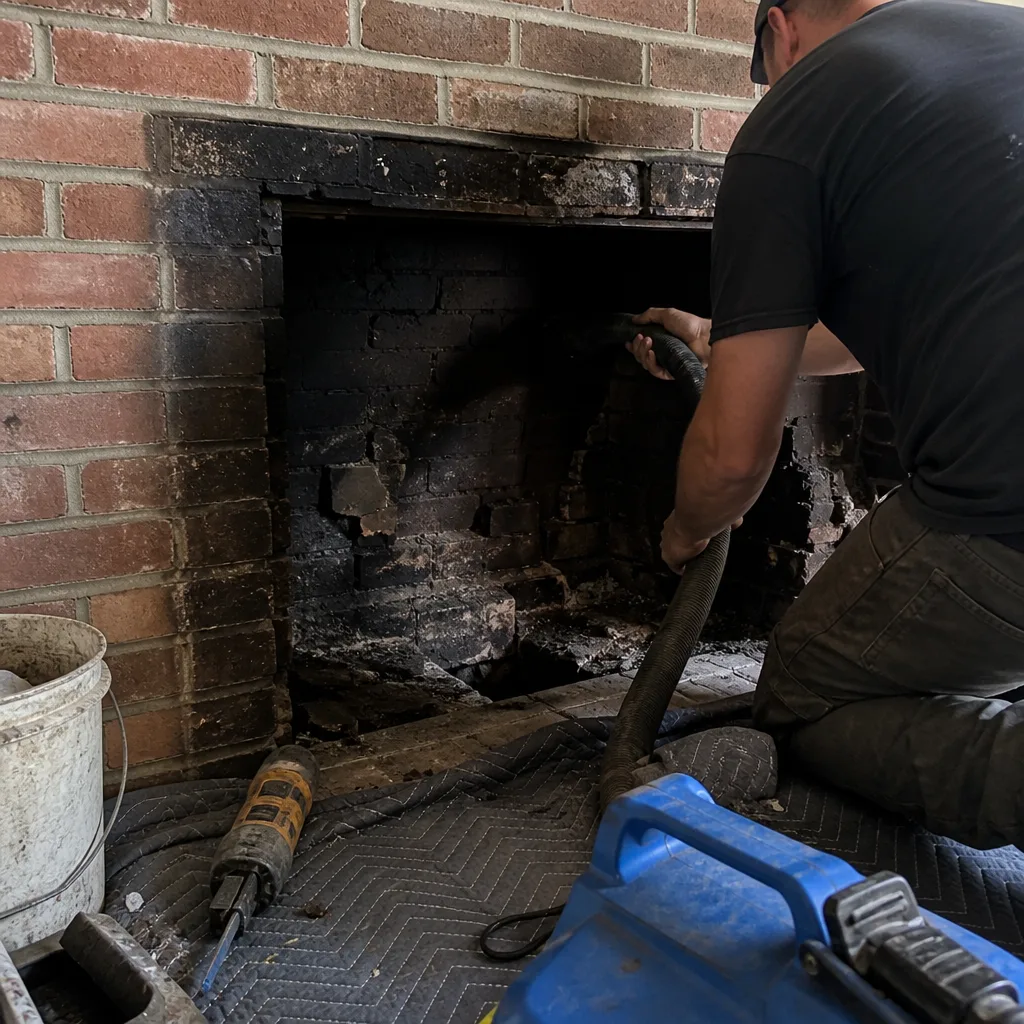 Before
 After
 Before
 After
When to Call a Professional
Call a professional if you’re selling a Hampton home this year and the chimney hasn’t had a Level 2 inspection, if you’re installing a new appliance or insert, if you’re considering a HeatShield resurfacing or a DuraFlex reline, or if a prior inspection flagged findings you haven’t acted on. Call if you’ve had a chimney fire, or if the appliance sounds, smokes, or behaves differently than it used to. Call if a home inspector or insurance adjuster has asked for documentation you don’t have. And call if you’re not sure whether your next project is maintenance or construction, because that question is the whole point of this guide. Chimney Sweep Hampton offers free estimates in Hampton, call (833) 572-0756. Our technicians have up to 9 years of experience, and we can walk the scope and the code question through with you before anything gets booked.
Frequently Asked Questions
No. Routine chimney sweeping in Hampton is classified as maintenance and does not require a building permit under the Virginia Uniform Statewide Building Code. Structural work like a liner replacement or firebox rebuild generally does. Call (833) 572-0756 for a free estimate and we’ll clarify which category your job falls into.
A Level 2 inspection is required by industry standard (NFPA 211) when a property changes hands, though Virginia residential disclosures don’t universally require it by statute. In practice, buyers and their lenders almost always ask for one. A pre-listing Level 2 gives you the report before the buyer’s inspector writes theirs. Call (833) 572-0756 to schedule one.
The permit history search during due diligence typically surfaces it, and the buyer’s inspector will flag the mismatch between the work and the record. Retroactively resolving it usually means a building inspection, possible corrections, re-inspection fees, and closing delays. The sooner it’s addressed, the cheaper it usually is. Call (833) 572-0756 – estimates are free.
Yes, in general. A manufactured fireplace installation or replacement is a construction activity and typically requires a permit, and the appliance must be installed per its listing and manufacturer instructions. Some Hampton homes have had inserts dropped into a factory-built fireplace without matching the flue to the appliance, which is a code and insurance problem. Call (833) 572-0756 for a scope review.
If the flue is being replaced, or resurfaced with a product like HeatShield in a way that changes the liner system, that’s construction. If the flue is being cleaned and inspected with no material change, that’s maintenance. The classification matters for permits, and it matters for insurance. The written estimate should state the scope clearly. Call (833) 572-0756 to talk through your job.
It can. If the fire is traced to work that should have been permitted and wasn’t, or to a liner that doesn’t meet code, the carrier may reduce or dispute coverage. Documented inspections and permitted work both help. We can work with your insurer on documentation and provide the photo report an adjuster will ask for. Call (833) 572-0756 for an inspection before the cold season.
The Bottom Line
Chimney sweeping in Hampton is maintenance; a liner replacement, firebox rebuild, or new cap is construction, and construction is where permits come in. Know which side your job sits on before you book. Get a Level 2 inspection if you’re selling or after any event that could have stressed the flue. Keep the records, and don’t let a skipped permit become a closing delay or an insurance dispute. We name the materials we work with (HeatShield, DuraFlex, Olympia Chimney, and similar professional-grade brands) because the right system matched to your chimney is what “built to code, built to last” actually means. Sweep, inspect, repair, handled together, with a scope you can read.
Call (833) 572-0756. We answer 24/7. Fast dispatch from 7am to 7pm, Sunday through Friday. Estimates are free, and the written estimate sets the final price.
Written by the team at Chimney Sweep Hampton.