
Last updated November 16, 2026
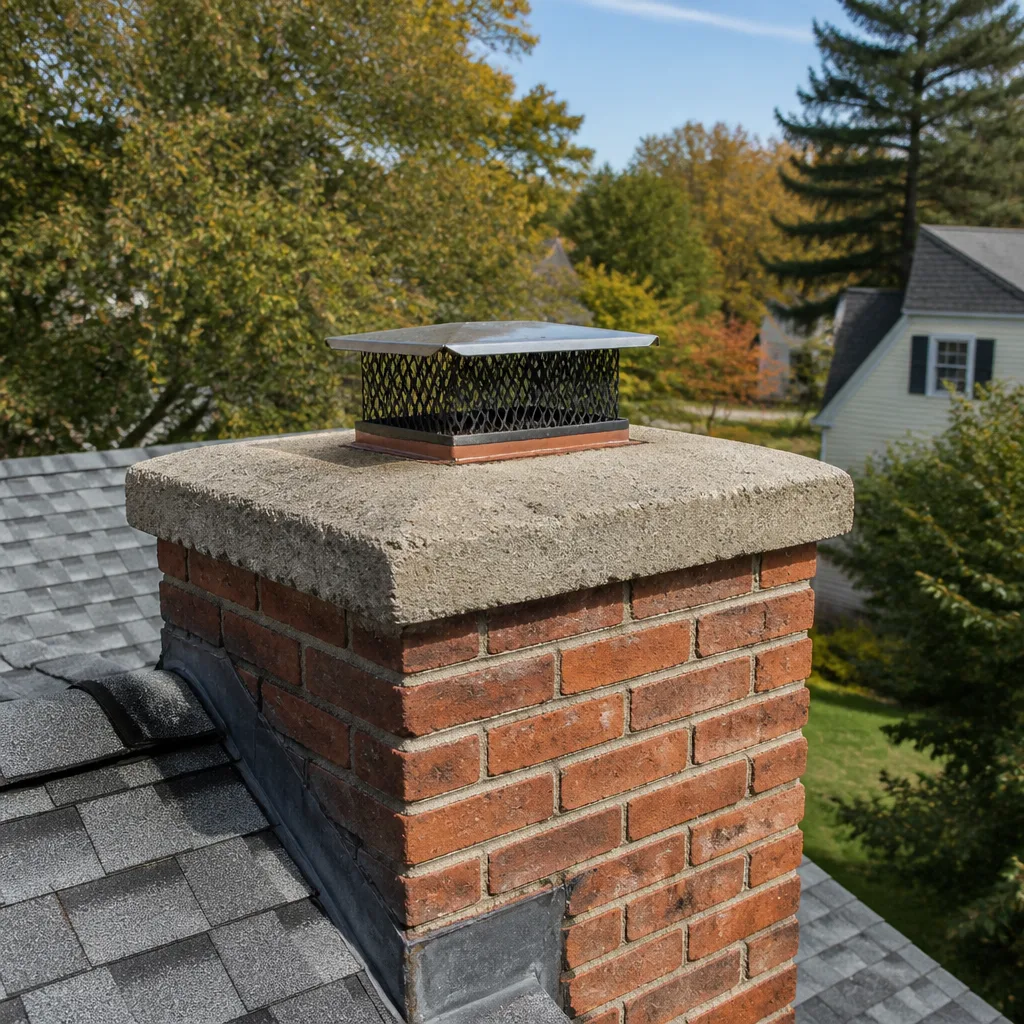 Sweep & inspection
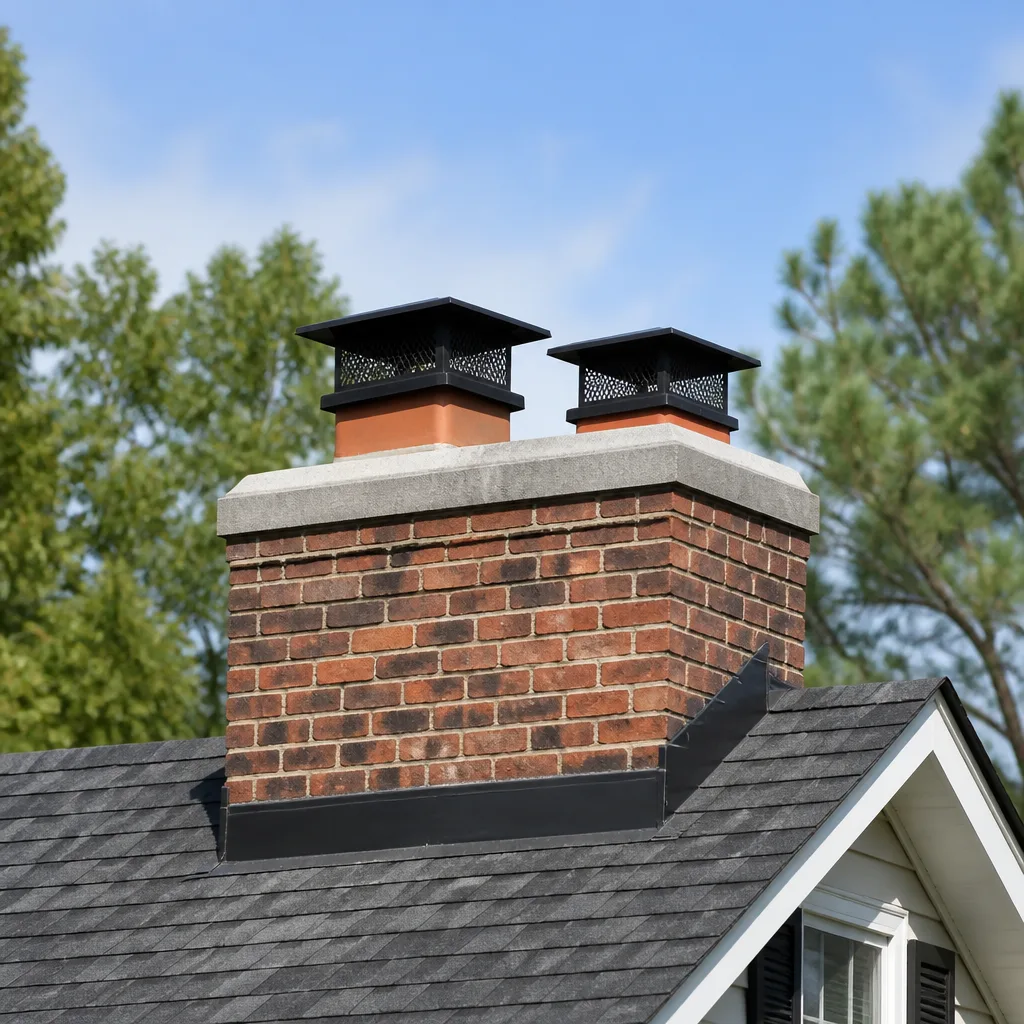 Caps & crowns
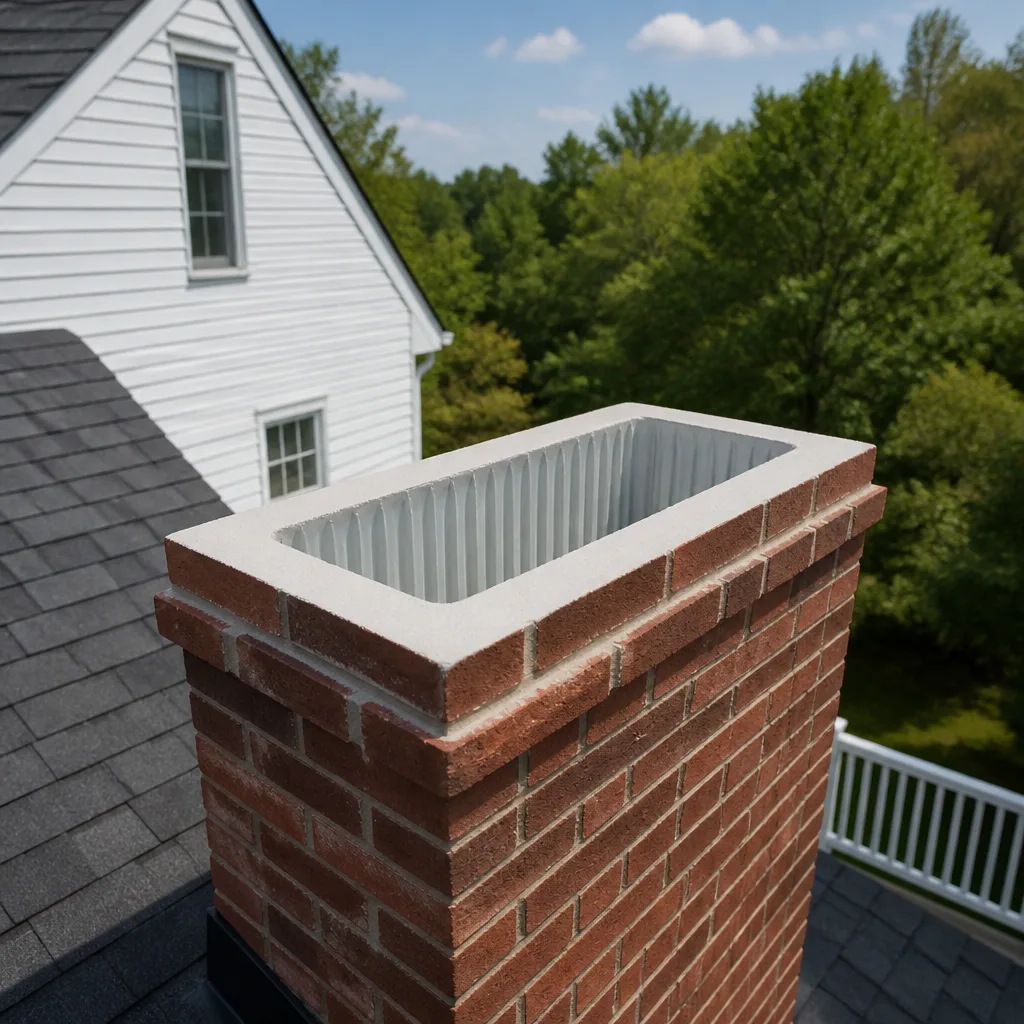 Flue relining
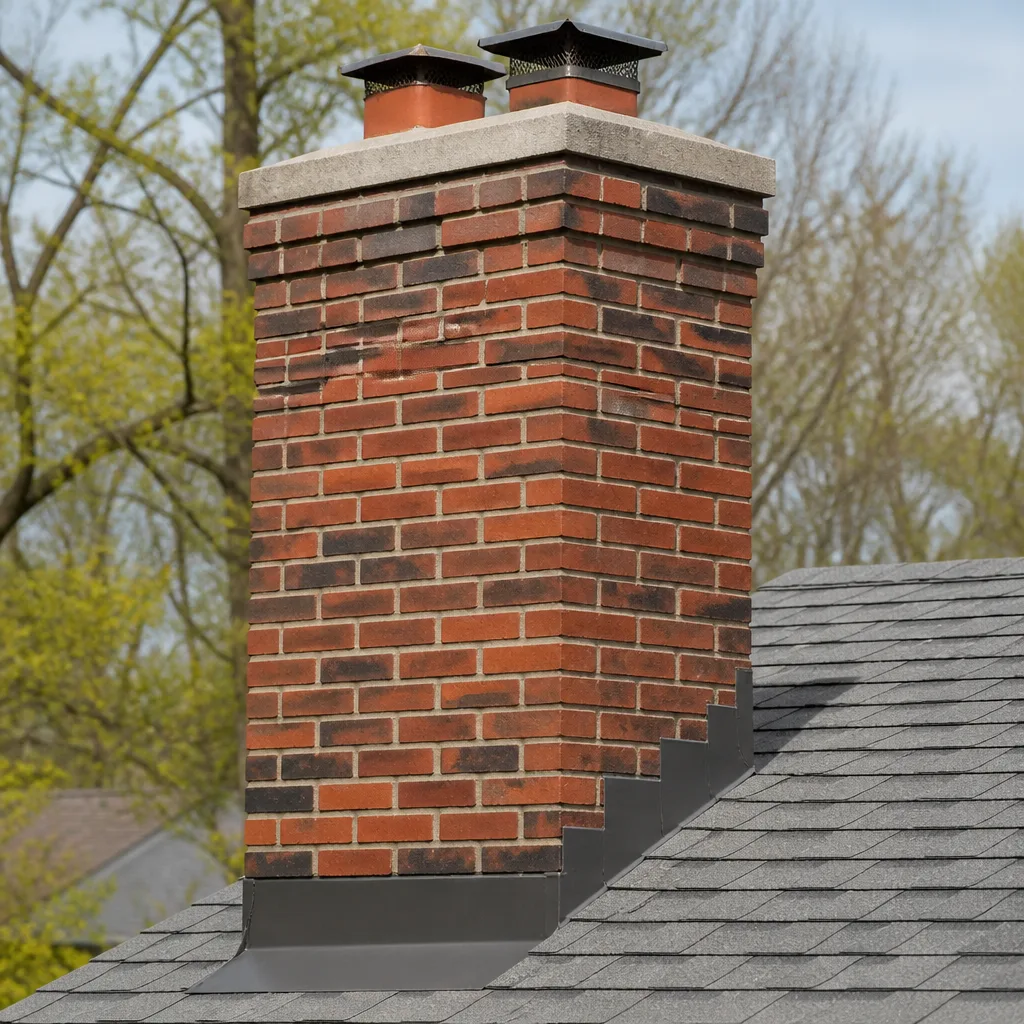 Masonry repair
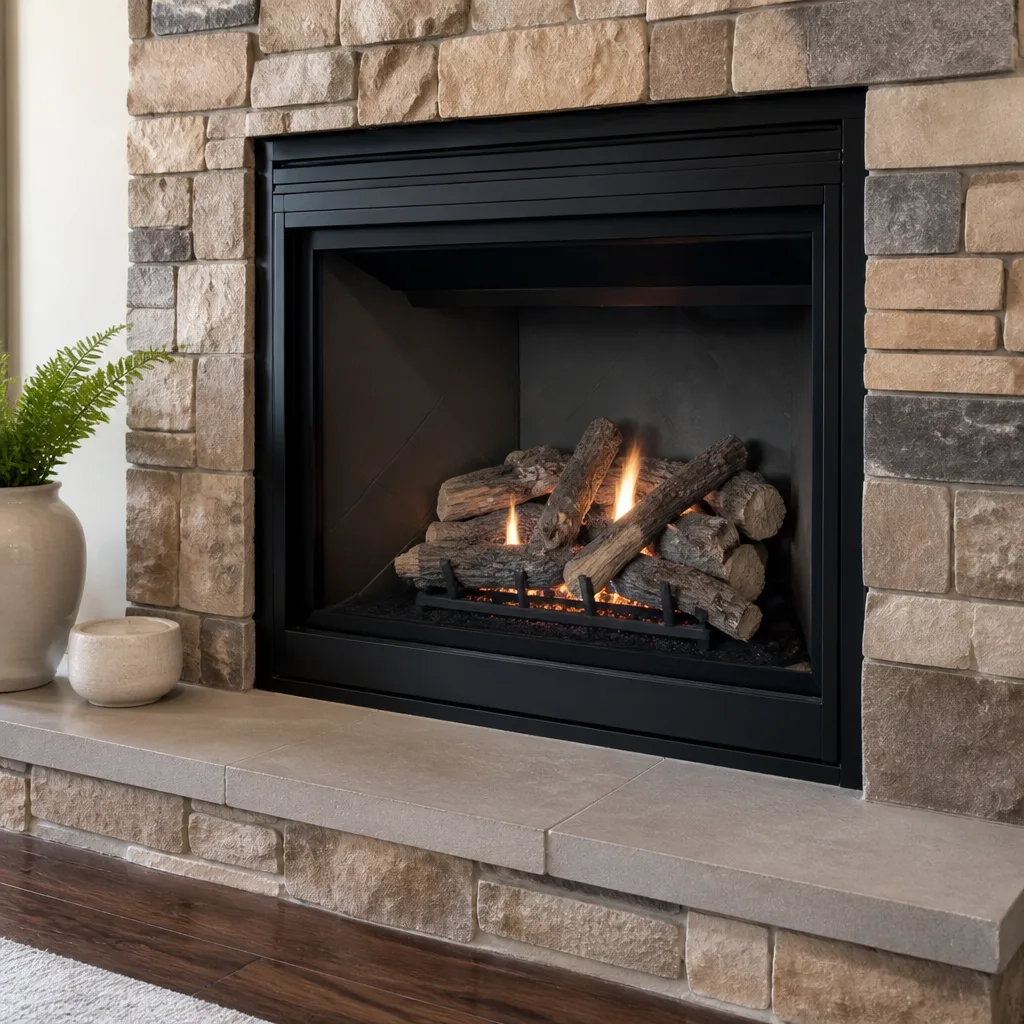 Gas fireplace service
Level 1 sweep and inspection to the NFPA 211 annual standard - flue, crown, cap, and flashing checked and photographed
Chimney sweep logs do not sweep chimneys. They loosen some creosote - which then falls where a brush and vacuum still have to collect it.
Chimney Cleaning Emergency Preparedness Guide for Hampton Homes
A chimney fire sounds like a low roar, not an alarm. Most homeowners who’ve been through one describe hearing it before they saw anything: a rumble like a distant train, a crackling that doesn’t match the fire in the box, a vibration you feel in your chest more than your ears. The reason that matters here is simple. In Hampton, the gap between “something’s wrong” and “the house is in trouble” can be fifteen minutes or less, and what you do inside that window decides whether you’re dealing with a dirty flue or a structural fire. This guide walks through the sensory warning signs, the correct action sequence, how Hampton’s housing stock changes your response time, how to spot a carbon monoxide event early, and exactly what to document afterward for your insurer.
Quick Answer
If you suspect a chimney fire in Hampton, call 911 first, get everyone out of the house, and close the damper and glass doors only if you can do it safely on your way out – never stay inside to fight it. If you smell gas or suspect carbon monoxide, leave immediately and call 911 from outside, then call a chimney professional for a Level 2 inspection before you use the system again. The fifteen minutes after you notice something wrong are the most important in the entire event.
Styles & brands we work with
- Sweep & inspection
- Caps & crowns
- Flue relining
- Masonry repair
- Gas fireplace service
Table of Contents
- What a Chimney Fire Actually Sounds, Looks, and Smells Like
- The Correct Action Sequence for a Chimney Fire
- How Hampton’s Housing Stock Affects Fire Spread
- Carbon Monoxide Events and Hampton’s Mild-Winter Burn Patterns
- What to Document After a Chimney Emergency
- Why You Need a Level 2 Inspection Before Reusing the System
- Prevention: The Prep Work That Makes Emergencies Shorter
What a Chimney Fire Actually Sounds, Looks, and Smells Like
Chimney fires rarely announce themselves. They’re often reported by sound before sight, which is why knowing the sensory signature matters more than memorizing a checklist. If you’ve burned wood for years, you already know what a normal fire sounds like. A chimney fire sounds different: a low, sustained roar, sometimes described as a freight train or a deep hum, that doesn’t rise and fall with the fire below. You may also hear a rapid ticking or popping, like gravel hitting metal, as creosote ignites in stages up the flue.
What you might see:
- Dense smoke from the top of the chimney – darker and thicker than usual, sometimes with visible sparks or embers, and often continuing after the firebox has settled down.
- Flames or glowing at the chimney top – a bright orange light inside the flue visible from the roofline.
- Discolored or warped chimney cap – heat damage to the cap or spark arrestor, which is often the first visible sign after the fact.
- Creosote flakes on the roof or ground – burnt creosote can blow out of the top and land nearby.
The smell is distinct. Burning creosote has a sharp, tarry, almost chemical edge to it, different from the warm woodsmoke you’re used to. Some homeowners describe it as overheated metal or hot asphalt. A hot-metal smell inside the house with no obvious source is worth taking seriously in its own right, because it can suggest heat transfer through the chimney structure.
One more sensory cue that gets missed: a pinging or crackling sound from inside the wall near the chimney. That’s not always a chimney fire, but it warrants a call. In our experience, the people who lose the most in a chimney fire are the ones who heard something and assumed it was normal burn noise.
The Correct Action Sequence for a Chimney Fire
Chimney fires escalate fast, so the sequence below is ordered by priority. Read it once now, while nothing is burning, so you don’t have to think about it in the moment.
- Get everyone out of the house first. Don’t stop to gather belongings. A chimney fire can spread into the attic or roof structure before you’d have time to react to that spread.
- Call 911. This is the correct first call, not a chimney company and not a neighbor. Even if you think the fire is out, call. The fire department can confirm the fire hasn’t extended into the structure, which you cannot verify from inside.
- Close the damper and glass doors on your way out, only if you can do it safely. Closing the damper starves the fire of oxygen, and closing glass doors limits the fire’s access to room air. Never re-enter the house to close a damper. If you’re already outside, stay outside.
- Don’t spray water into the firebox. Water on a hot firebox or flue liner can crack masonry and metal. It also creates a steam risk. This is one of the most common mistakes homeowners make in the first 60 seconds.
- Don’t climb onto the roof. A chimney fire can compromise the cap or surrounding roofing, and the fire department needs roof access. Stay off it.
- Don’t use the fireplace again until it’s inspected. This is the step most often skipped. Even a small chimney fire can damage the flue liner in ways you can’t see from the firebox.
If you’re calling from outside and want a professional in the loop, our line is (833) 572-0756. We answer 24/7 for emergencies like this, and we can walk you through what happens next before the fire department clears the scene.
How Hampton’s Housing Stock Affects Fire Spread
Hampton’s housing mix matters more than most homeowners realize. Two very different chimney systems dominate the city, and they behave differently in a fire.
Older homes with original masonry chimneys
A masonry chimney built decades ago often has a clay tile liner, a mortar crown, and a brick chase running through the attic and roof. Older masonry can have hairline cracks in the flue tile, spalling mortar joints, or a crown that’s started to pull away from the chase. Any of those openings lets heat and embers reach wood framing just inches from the flue. In these homes, fire spread goes up and into the attic and roof sheathing, often faster than the fire in the chimney itself. If your Hampton home is one of the older properties in Phoebus, Old Wythe, or the streets around downtown, it’s worth knowing the condition of your flue liner before burn season, not after.
Manufactured homes with prefab (factory-built) systems
Factory-built chimney systems typically have less clearance between the flue and surrounding combustibles than older masonry construction, and the metal chimney components have specific clearance requirements that get missed when someone modifies or replaces part of the run. A fire in a prefab system can compromise joints and penetrations quickly, and the visible damage at the firebox often looks minor compared with the damage inside the chase. For manufactured homes, the response window is shorter, not longer, and getting out matters just as much as getting water on the problem.
In both cases, preparation is the same. Know your system type, know when it was last inspected, and don’t make the fire department spend time on a question you could have answered in advance.
Carbon Monoxide Events and Hampton’s Mild-Winter Burn Patterns
Hampton’s winters are mild enough that many people burn wood intermittently: a fire on a cold evening, then nothing for a week, then another fire when a front comes through. That pattern creates a specific carbon monoxide risk that continuous burners don’t face. An intermittent burn cycle lets the chimney cool between fires, and cool flues draw poorly on ignition. A cold flue can spill exhaust back into the room in the first five to ten minutes of a fire, before the flue warms enough to draw properly. Add a partially blocked flue, a bird’s nest, or a damaged liner to that pattern, and you have a carbon monoxide event waiting to happen in a house where nobody thinks they have a carbon monoxide problem.
Carbon monoxide is odorless and colorless. The warning signs that do exist are physical:
- Headache, dizziness, or nausea that improve when you leave the house and return when you come back.
- Drowsiness or confusion in a room where more than one person feels “off” at the same time.
- Flu-like symptoms without a fever, especially during burn season.
- A carbon monoxide alarm sounding at low levels, or a “chirp” you assumed was a battery issue.
If you suspect carbon monoxide, leave the house, call 911, and don’t go back inside until the fire department says it’s safe. Afterward, get a chimney professional to inspect the flue before you burn again. The intermittent burner is the person most likely to miss a warning, because the symptoms come and go with the fire.
What to Document After a Chimney Emergency
Insurance claims for chimney fires live or die on documentation. The scene you’re standing in has value for the next six months of paperwork, and most of it will be gone or cleaned up by the time an adjuster arrives. Here’s what to capture, in order.
- Photograph the firebox, the flue opening, and the top of the chimney. Include the firebox interior, the damper, the visible flue tile, and the chimney cap and crown from the outside. Don’t clean anything first.
- Photograph anything damaged inside the house. Smoke staining, warped metal, damaged clears, soot patterns on walls, and any contents affected by smoke.
- Keep the fire department incident report number. The responding department will have a report; you need the number and the date.
- Photograph the creosote or debris that came out of the flue. Size and quantity matter to an adjuster.
- Save the professional inspection report. A Level 2 inspection report with photos is the single most useful document in a chimney claim. It links the fire to the physical condition of the flue in a way an adjuster can verify.
- Keep receipts for any temporary repairs. Tarping, boarding, or chimney caps installed to prevent water intrusion after a fire are typically reimbursable and easy to forget.
Don’t let a contractor haul away damaged liner pieces before your adjuster has seen them. If they need to be removed to make the chimney safe, photograph them first and keep them in the garage until the claim is settled.
Why You Need a Level 2 Inspection Before Reusing the System
A Level 2 inspection is the standard for any chimney that has been through a fire, a chimney sweep cleaning, a rebuild, a liner replacement, or a fuel-type change. It includes a video camera scan of the flue from top to bottom, which is the only way to see heat damage, cracked tiles, gaps in mortar joints, or a liner that’s shifted but still looks intact from the firebox. A Level 1 visual check from the firebox won’t find those problems. It sees what a mirror and a flashlight can see, which is a small fraction of the flue.
For Hampton homes that have had any chimney event, a Level 2 inspection is the difference between knowing the system is safe and hoping it is. If the scan shows a compromised liner, we work with chimney repair options that range from HeatShield resurfacing, which restores deteriorating mortar joints without a full liner replacement, to a full DuraFlex liner install when the existing liner can’t be saved. Both are professional-grade systems we name in the estimate, not generics. We also work with Olympia Chimney and Famco components where caps or venting need replacing, so the whole repair stays in one scope.
Using a wood stove or fireplace after a fire without a Level 2 inspection risks a second event in the same flue. Don’t do it.
Prevention: The Prep Work That Makes Emergencies Shorter
Preparedness isn’t about having a fire extinguisher and hoping. It’s about shortening every step of the response before you ever need it.
First, know your chimney type. If you don’t know whether your Hampton home has a masonry flue or a prefab system, that’s the first thing to settle. Second, get an annual inspection before burn season. Creosote buildup is the fuel for most chimney fires, and a camera inspection finds it before it becomes the reason you’re standing on the lawn at ten o’clock at night. Third, install and test carbon monoxide alarms on every level of the house, and replace batteries on the same schedule. Fourth, keep a clear zone around the fireplace and practice the exit with everyone in the house, including kids, so nobody has to think about it in the moment.
We handle the full loop – sweep, inspect, repair – under one roof, which matters when the fix after an emergency involves more than one trade. A typical annual visit is a chimney sweep followed by an inspection, and if a repair is needed, we scope it in the same visit rather than sending you to a third party. Our technicians have up to 9 years of experience, and we name the brands we use so you can compare materials line by line.
If you’d rather not wait for a problem to find you, book a visit with Chimney Sweep Hampton before the first cold snap.
Common Mistakes to Avoid
- Assuming the roar is just a good fire. In Hampton, a deep, sustained roar with a hot-metal smell is a possible chimney fire, not a sign your wood is burning well. Get out and call 911.
- Spraying water into the firebox or up the flue. Water can crack masonry and metal liners and does nothing to stop a fire burning in the flue. Close the damper and get out instead.
- Going back inside to grab belongings or close a window. The fifteen-minute window is for evacuation, not retrieval. Homes in older Hampton neighborhoods have stairwells and layouts that make re-entry dangerous once smoke is spreading.
- Using the fireplace again before an inspection. A fire that looks contained can leave a cracked tile or damaged liner behind. Burn again without a Level 2 inspection and you’re burning through a compromised system.
- Ignoring low-level carbon monoxide alarm chirps during burn season. Chirps in a home with a wood stove or gas appliance are a signal to check, not a battery you’ll replace next month.
- Cleaning up before photographing. Once the firebox is swept and the damaged liner is hauled off, your insurance adjuster has nothing to look at. Photograph first, clean later.
- Skipping the Level 2 inspection because the visible damage looked minor. The most expensive chimney fire damage is usually the damage that wasn’t visible from the firebox. A camera scan answers what a mirror can’t.
See the difference
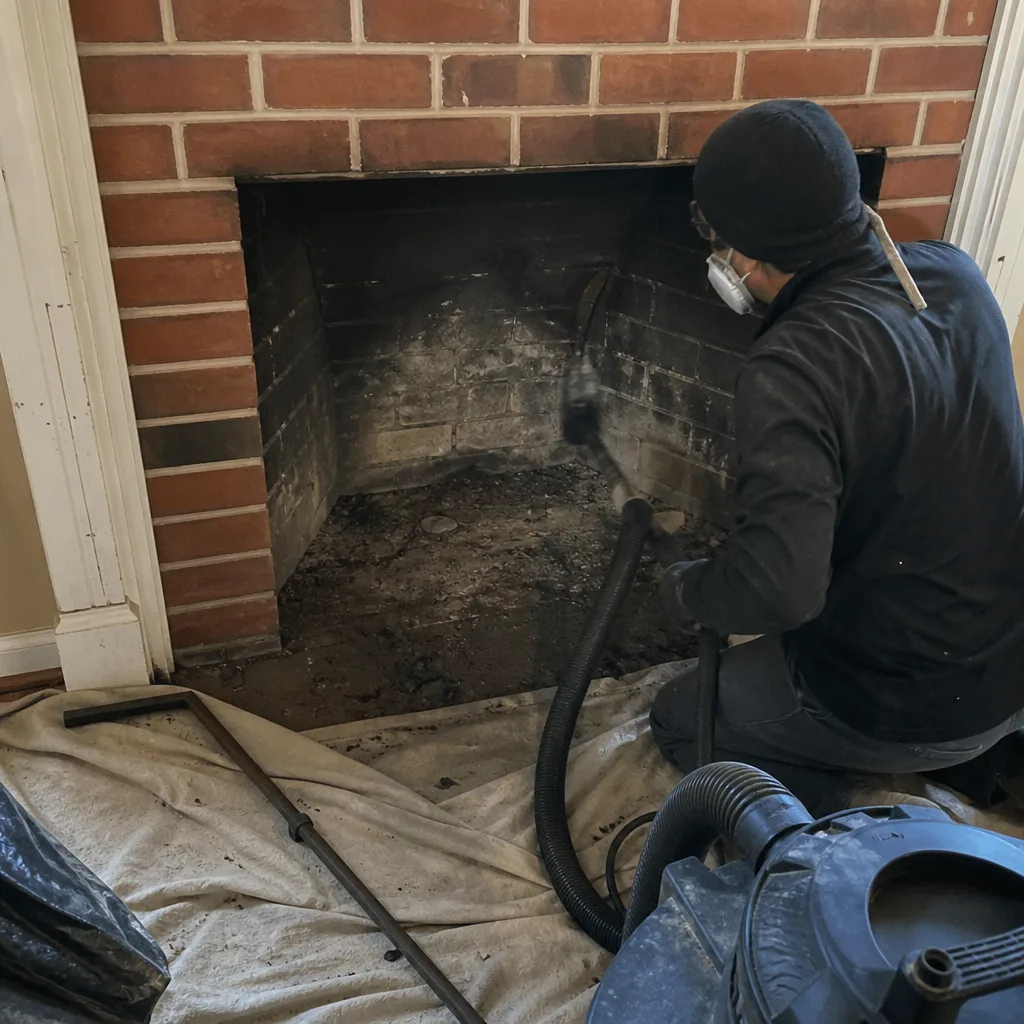 Before
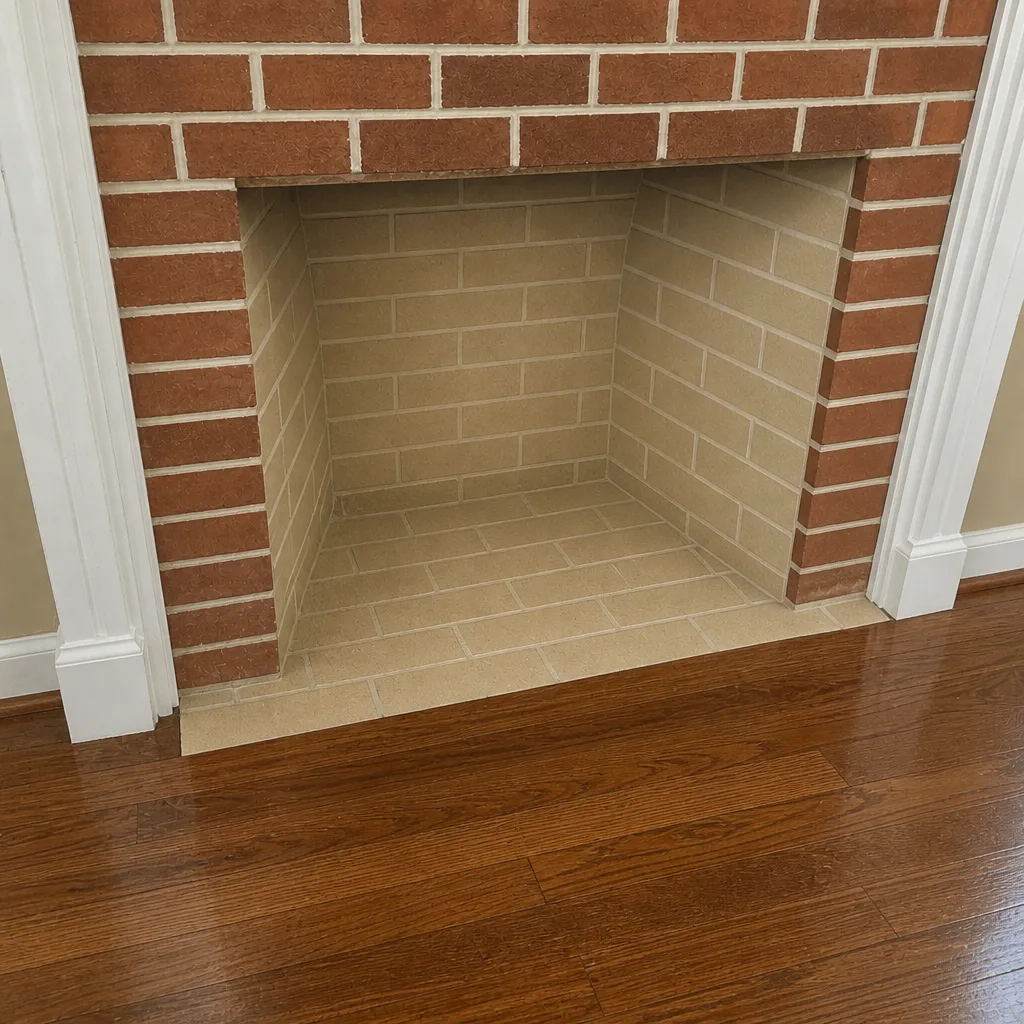 After
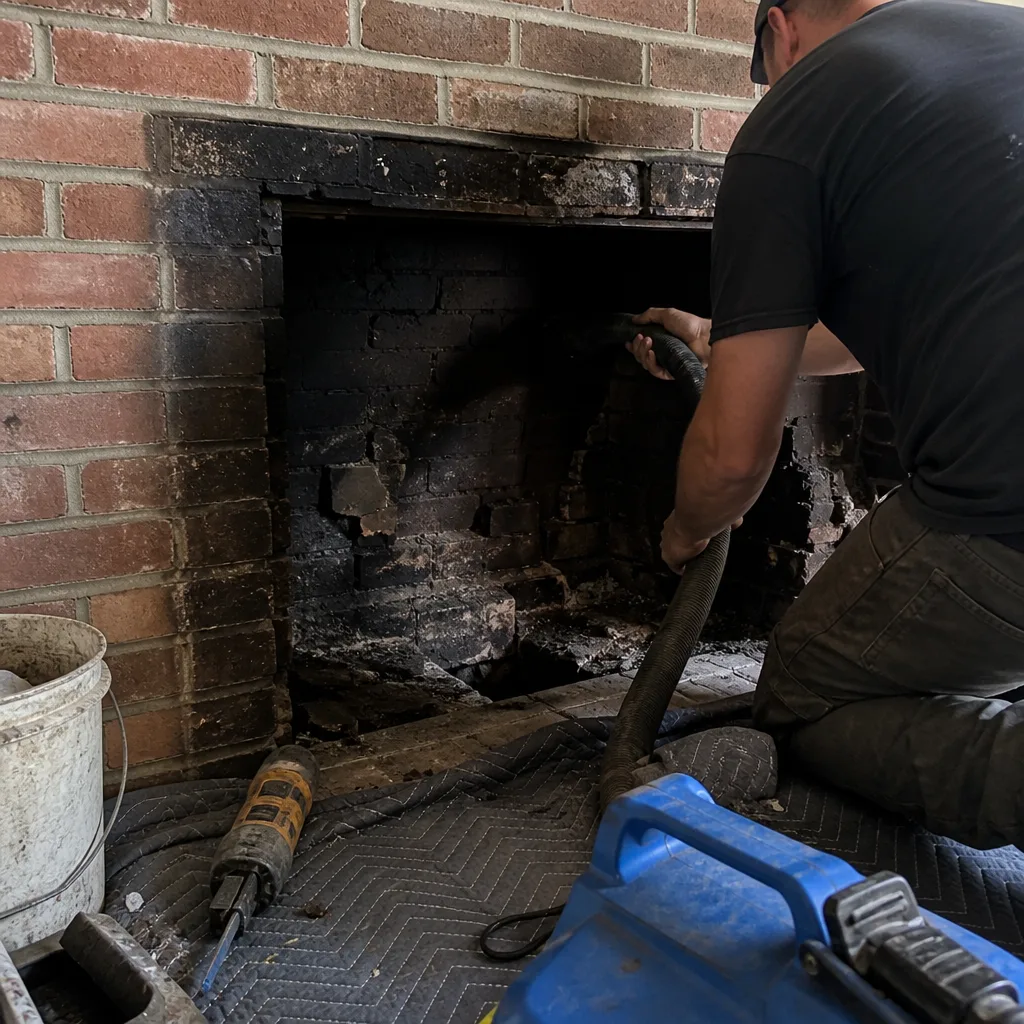 Before
 After
 Before
 After
When to Call a Professional
Call a chimney professional after any chimney fire, even a small one, before you use the system again. Call if you smell a hot-metal or tarry odor near the chimney with no fire burning. Call if a carbon monoxide alarm has sounded, even briefly, or if multiple people in the home feel unwell during burn season. Call if you see creosote flakes on the roof, a distorted chimney cap, or visible cracks in the masonry above the roofline. Call if it’s been more than a year since your last inspection and you burn wood regularly in a Hampton home. For scheduled work, call (833) 572-0756; we answer 24/7, and fast dispatch runs from 7am to 7pm, Sunday through Friday. Chimney Sweep Hampton offers free estimates in Hampton.
Frequently Asked Questions
A chimney fire typically sounds like a low, sustained roar, often compared to a distant train or a deep hum, sometimes with a rapid ticking or popping as creosote ignites in stages up the flue. The sound doesn’t rise and fall with the fire in the firebox the way a normal burn does. If you hear that roar or smell hot metal near the chimney, get everyone out and call 911, then call (833) 572-0756 for the inspection that follows.
Close the damper and glass doors only on your way out and only if you can do it without staying inside. Closing the damper starves the fire of oxygen, but the priority is evacuation. Never re-enter the house to close a damper once you’re outside. Call 911 first; call (833) 572-0756 for a follow-up inspection once the fire department clears the scene.
You can’t know from the firebox alone. Heat damage, cracked flue tiles, and gaps in mortar joints are often invisible without a video camera scan, which is what a Level 2 inspection provides. Book one before you burn again, and call (833) 572-0756 to schedule it.
Hampton’s mild winters often mean intermittent wood burning, and a cold flue from a week of no fires draws poorly on ignition, which can spill exhaust into the room for the first minutes of a fire. Combined with a partial blockage or a damaged liner, that pattern can create a carbon monoxide event in a home where nobody expects one. If an alarm sounds, leave, call 911, and then call (833) 572-0756 for a flue inspection.
Photograph the firebox interior, the damper, the flue opening, the chimney cap and crown from outside, any smoke staining or warped metal inside the house, and the creosote debris that came out of the flue. Keep the fire department incident report number. A Level 2 inspection report with photos finishes the file for your insurer – call (833) 572-0756 to book it.
Most wood-burning chimneys should be swept once a year or whenever a quarter-inch of creosote has built up inside the flue, whichever comes first. For Hampton homes with intermittent burn patterns, an inspection before burn season catches buildup the eye can’t see. Call (833) 572-0756 for an honest read on what your flue actually needs.
The Bottom Line
A chimney fire isn’t the moment to figure out your plan. The low roar, the tarry smell, the hot metal, and the pinging inside the wall are all signals you want to recognize instantly, because you have roughly fifteen minutes to get everyone out and call 911 before a dirty flue becomes a structural emergency. Hampton’s older masonry chimneys and prefab systems both escalate faster than most homeowners expect. After any event, a Level 2 inspection with photos is the document your insurer needs and the only way to know the flue is safe to use. Know the signs, know the sequence, call (833) 572-0756 when you need an inspection, and get the sweep done before burn season, not after a fire.
Written by the team at Chimney Sweep Hampton.