
Last updated November 16, 2026
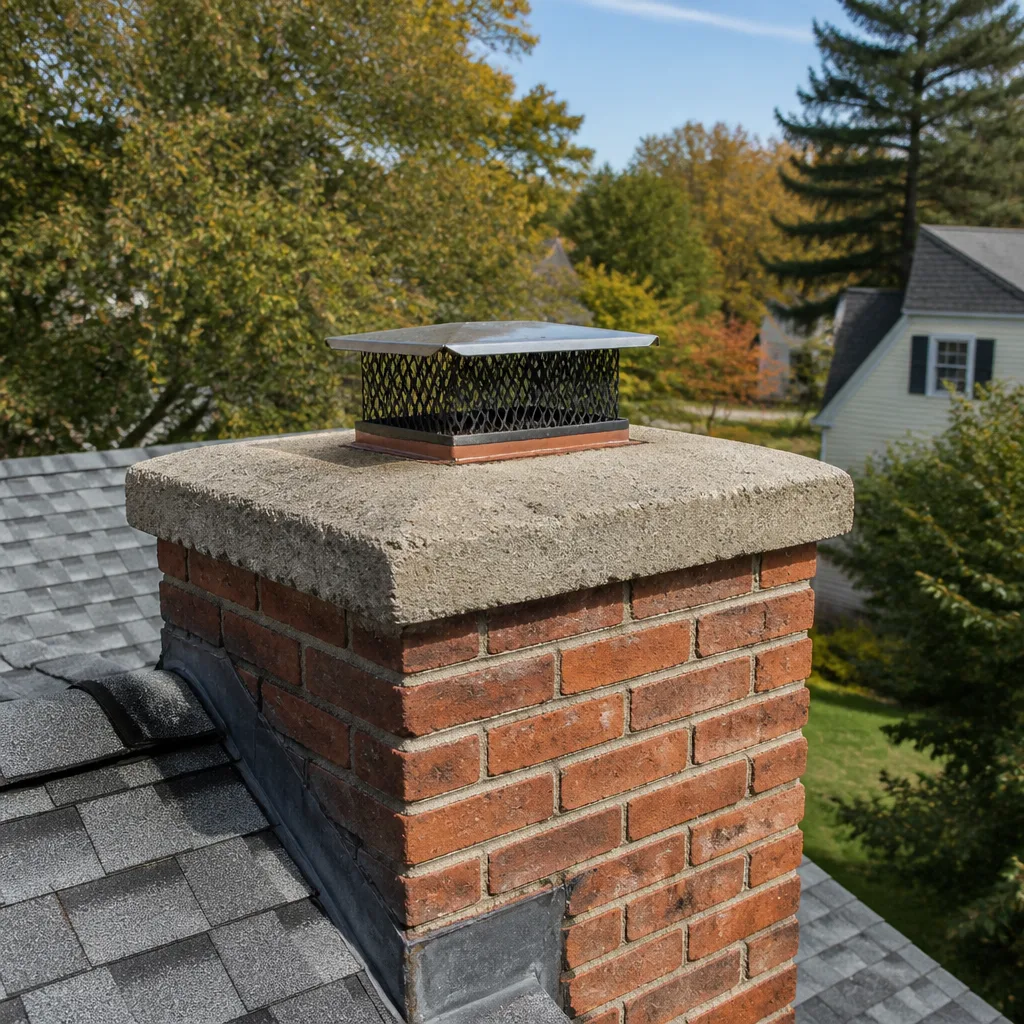 Sweep & inspection
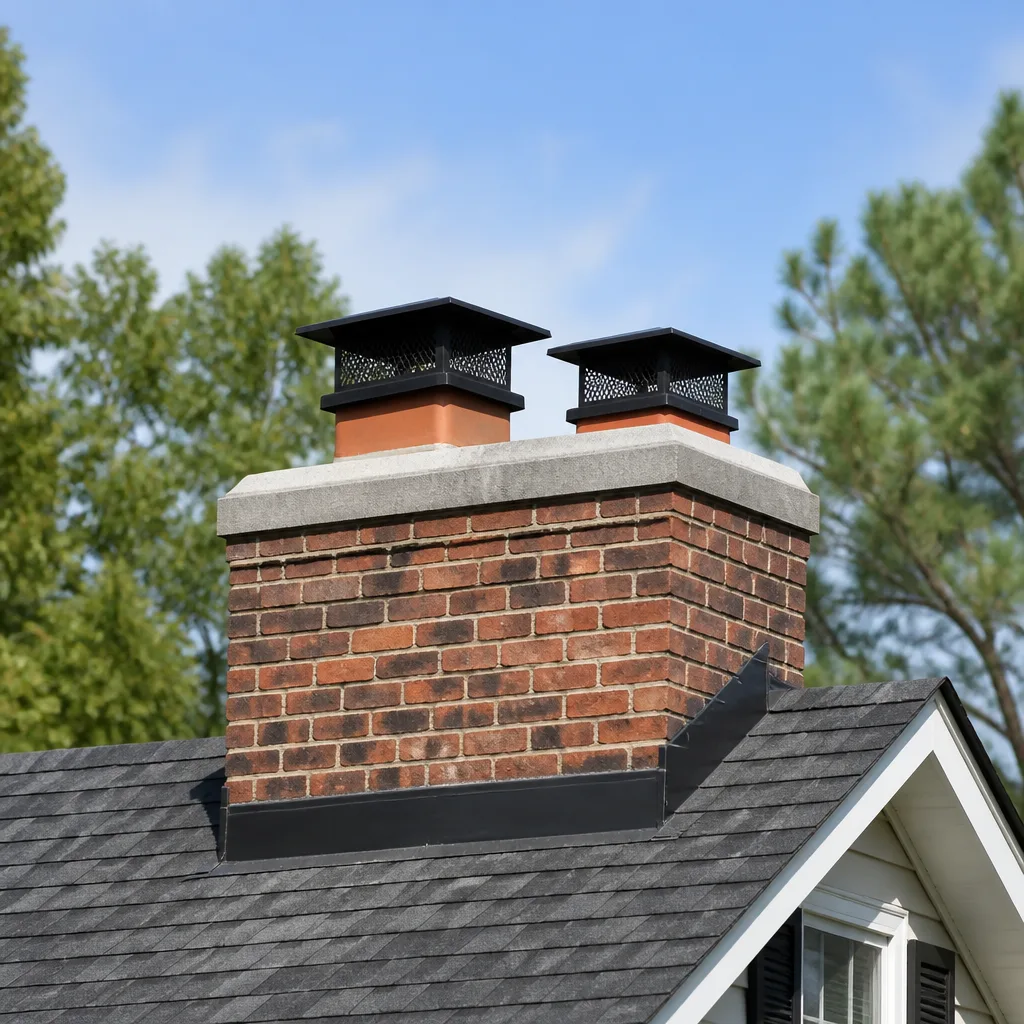 Caps & crowns
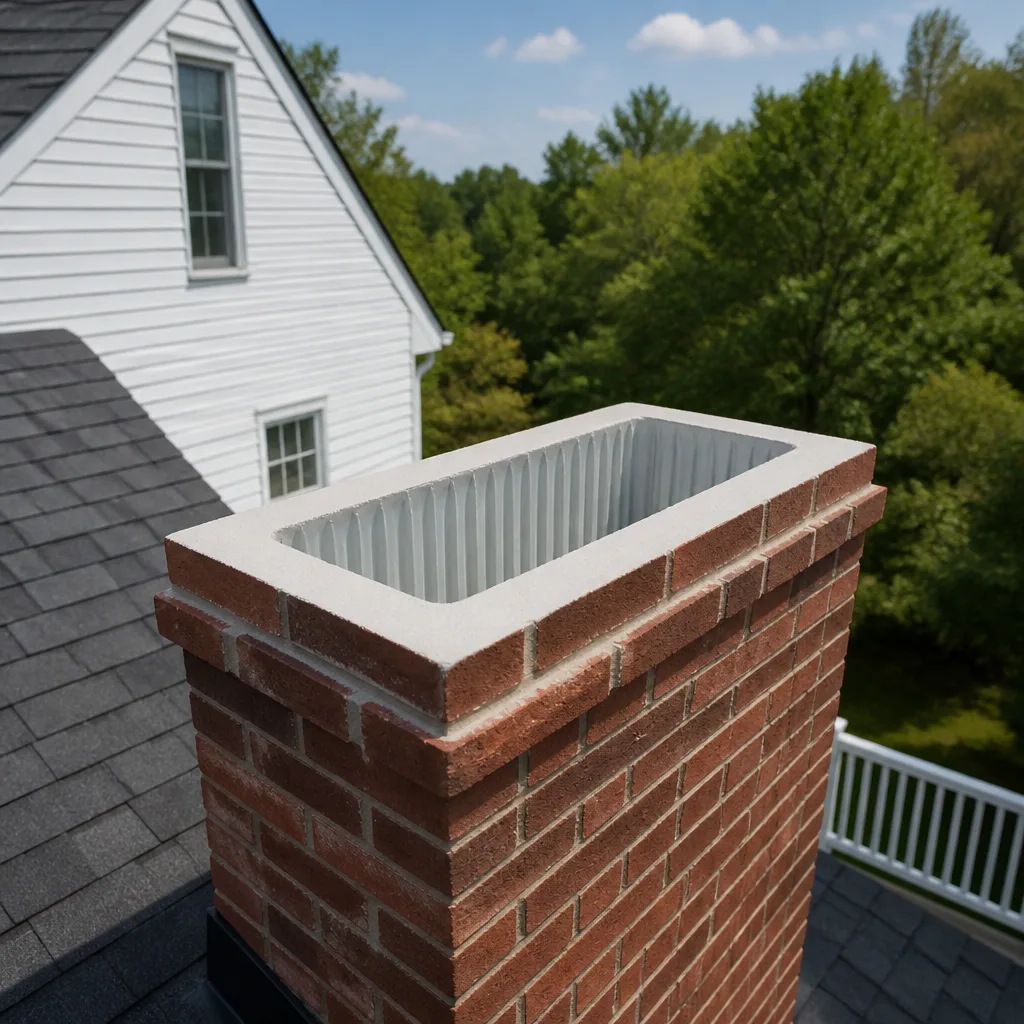 Flue relining
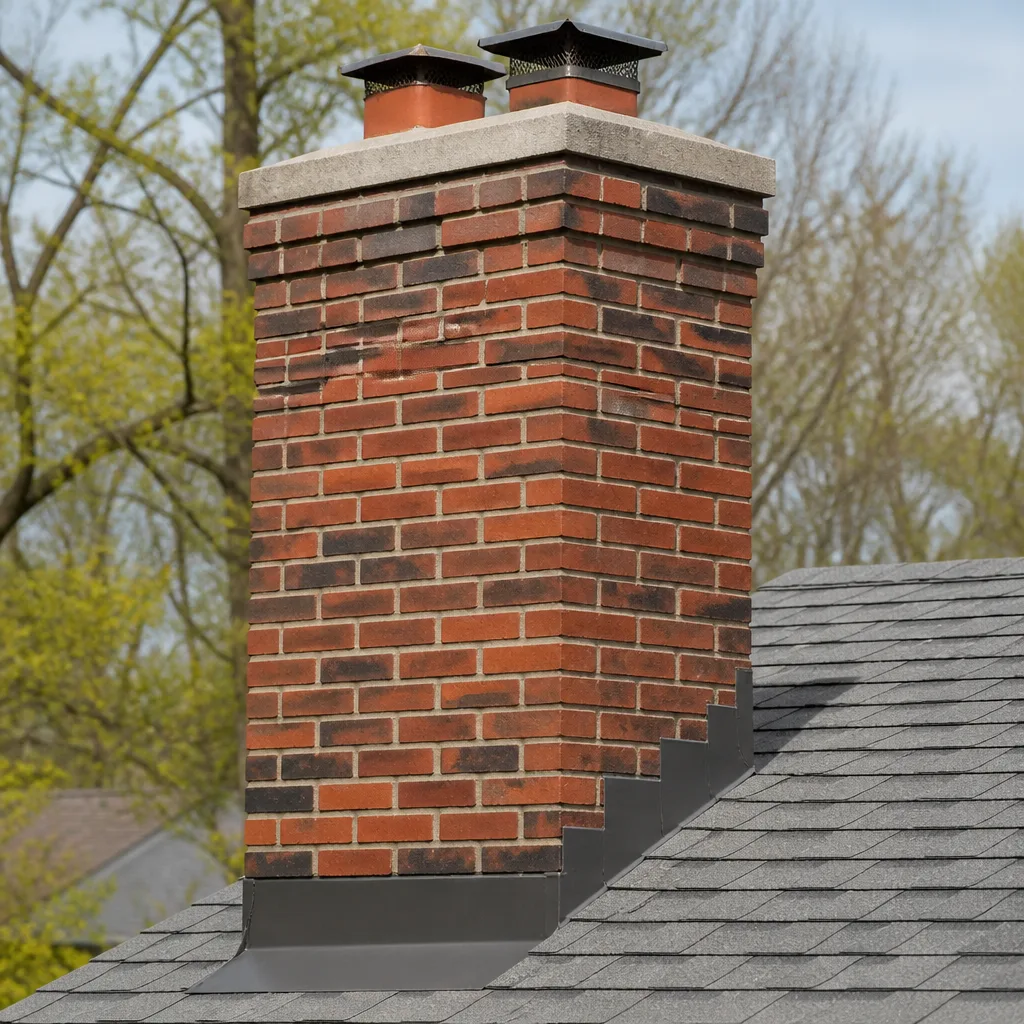 Masonry repair
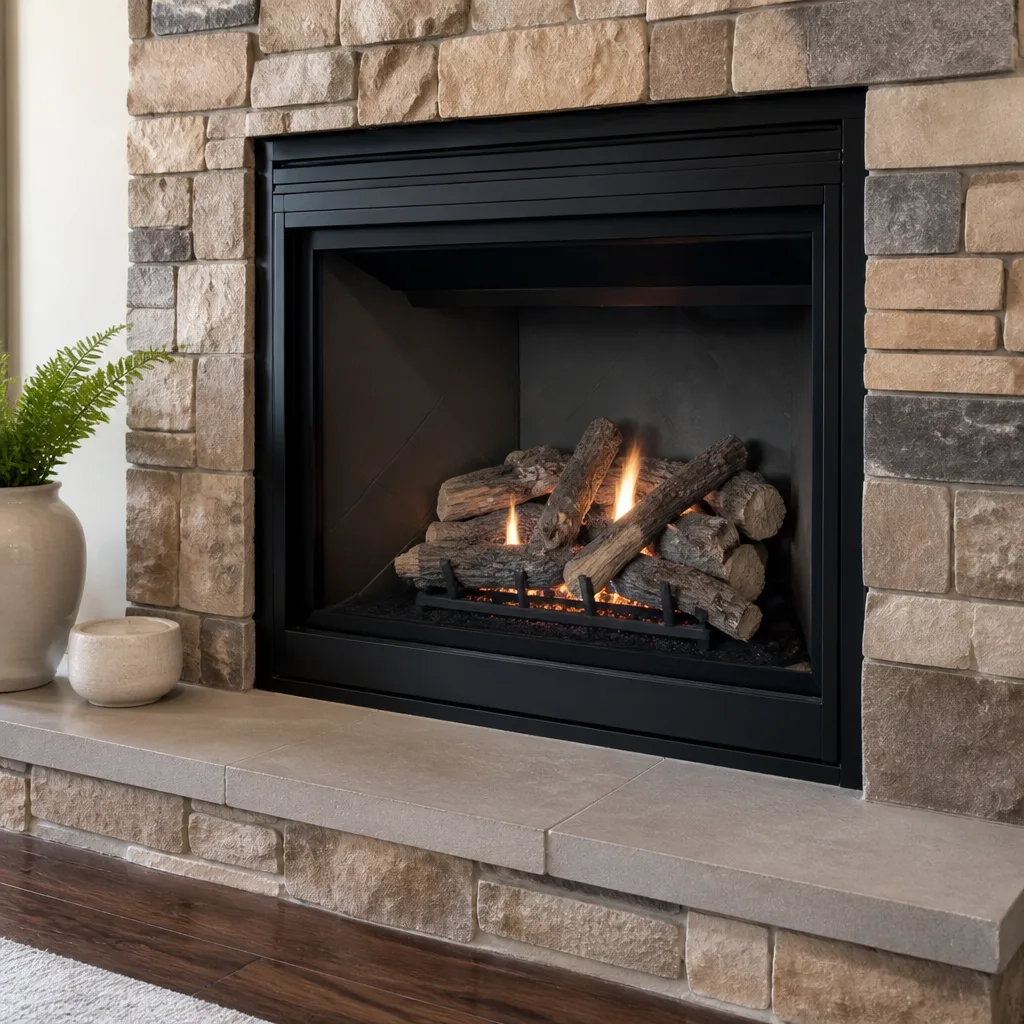 Gas fireplace service
Level 1 sweep and inspection to the NFPA 211 annual standard - flue, crown, cap, and flashing checked and photographed
Chimney sweep logs do not sweep chimneys. They loosen some creosote - which then falls where a brush and vacuum still have to collect it.
Chimney Cleaning Cost Breakdown: The Hampton Homeowner’s Reference for 2026
The $99 chimney sweep coupon costs exactly $99, until you find out what wasn’t included, wasn’t inspected, and wasn’t documented. That’s the uncomfortable math behind almost every low-price chimney ad. A cleaning that skips the rotary system, skips the camera, and skips the written report isn’t a cheaper version of the same job. It’s a different job, and the difference tends to surface later as a liner problem nobody caught. This reference lays out what a real cleaning in Hampton actually involves, line by line, what local rates look like compared to Virginia Beach and Norfolk, what the common add-ons run, and how to read a quote so you know which version of the job you’re buying.
Quick Answer
A full professional chimney cleaning in Hampton typically runs $180 to $340 for a standard wood-burning fireplace, while a basic sweep with no inspection or documentation often lands at $99 to $150. The gap isn’t markup. It’s the rotary system, the inspection camera, the written report, and the disposal that the low-price version leaves out. Add-ons like a cap replacement or damper repair are priced separately, and the written estimate sets your final price.
Styles & brands we work with
- Sweep & inspection
- Caps & crowns
- Flue relining
- Masonry repair
- Gas fireplace service
Table of Contents
- What’s Actually Included in a Professional Chimney Cleaning?
- Line-Item Cost Breakdown for a Hampton Cleaning
- What a “Basic Sweep” Price Excludes, and What That Costs Later
- How Hampton Rates Compare to Virginia Beach and Norfolk
- The Cost of Common Add-Ons in 2026
- How to Evaluate a Quote Structure Before You Book
- How Often Should a Hampton Chimney Be Cleaned?
- How to Choose a Chimney Professional in Hampton
What’s Actually Included in a Professional Chimney Cleaning?
A professional chimney cleaning includes mechanical removal of creosote and soot from the flue with a rotary system, a visual inspection of the firebox, damper, smoke chamber, and flue, and a written record of what was found. It also includes protecting your floor and furnishings and hauling the debris away. That’s the baseline. Everything below that is cutting corners.
The word “sweep” gets used loosely. Some outfits run a brush down the flue, shine a flashlight up from the firebox, and call it done. A rotary system is different. It spins a weighted whip or brush head against the flue walls with controlled pressure, which is what actually lifts glazed creosote rather than just knocking the loose fluff off the surface. That distinction matters in Hampton because of how people heat here. Long stretches of mild weather followed by cold snaps mean a lot of part-time burning, and part-time burning with poorly seasoned wood builds creosote in layers instead of burning it off cleanly.
A cleaning that stops at the brush leaves that glaze behind. The next season’s fires bake it harder. When it finally gets addressed, it’s often a resurfacing job rather than a sweep.
Here’s what a real cleaning visit covers, in order:
- Floor and hearth protection before any tool goes up the flue.
- A check of the firebox, damper operation, and smoke chamber condition.
- Mechanical cleaning of the flue with the appropriate rotary head for the flue size and liner type.
- Camera inspection of the flue interior where the flue condition is in question.
- A written summary of what was found, with photographs where relevant.
- Disposal of the collected soot and creosote.
At Chimney Sweep Hampton we handle sweep, inspect, and repair under one company, so those steps don’t get split between three different contractors who each blame the other for what the last one missed.
Line-Item Cost Breakdown for a Hampton Cleaning
Breaking a cleaning into line items is the fastest way to compare two quotes that both say “chimney sweep” but mean completely different things. The table below shows typical 2026 Hampton ranges for each component of a full professional cleaning.
- Labor (technician time on site): $90 to $160. This covers setup, protection, the cleaning itself, and cleanup. A straightforward single-flue fireplace takes less time than a wood stove with an offset flue or a flue with heavy creosote buildup.
- Rotary system use: $30 to $60. The equipment that actually removes glazed creosote. Often folded into a bundled price, sometimes billed separately.
- Inspection camera: $40 to $75. A camera scan of the flue interior. This is the single most skipped line item in low-bid quotes, and it’s the one that catches liner cracks before they become a problem.
- Report documentation: $20 to $45. A written summary of findings with photos. Without it, you have no record for your insurance company, no baseline for next year’s inspection, and no way to verify what you were told.
- Debris disposal: $15 to $30. Hauling soot and creosote off your property and disposing of it properly.
Add those up and you land in the $180 to $340 range for a full professional cleaning. Strip out the rotary system, the camera, the report, and the disposal, and you’re back near $99. The math isn’t complicated once you see it laid out. What you’re paying for above the coupon price is the equipment and the documentation that make the cleaning meaningful.
Wood stoves and inserts tend to sit at the higher end of the range because there’s more disassembly and reassembly involved. A fireplace with a straightforward straight flue sits at the lower end. The written estimate sets the final price after a technician sees the setup.
What a “Basic Sweep” Price Excludes, and What That Costs Later
A basic sweep price excludes the inspection camera, the written report, and often the rotary system, and those exclusions are exactly where future repair costs come from. A cleaning that never looks up the flue can’t tell you the liner has a crack or the mortar joints are deteriorating. You find out when you have a problem, and by then the repair is bigger than it needed to be.
This is the core of the pricing argument, and it’s worth being direct about it. Creosote is the reason chimney cleaning exists as a trade. It accumulates on the flue walls as a byproduct of incomplete combustion, and it ignites at a lower temperature than most people assume. A flue that looks fine from the firebox can hold a layer of glazed creosote halfway up that no flashlight from below will ever reveal. The camera scan is what turns a guess into a fact.
The downstream costs of skipping it look like this:
- Undetected liner cracks. Caught early, resurfacing with a HeatShield system can be an option instead of a full reline. Caught late, after moisture has moved through the masonry, you’re looking at a complete DuraFlex liner installation and sometimes masonry repair above it.
- Deteriorating mortar joints. The joints between flue tiles break down over time. Without a camera, nobody sees it until pieces start coming loose.
- No documentation for insurance. If a chimney fire does happen, your insurer will want to see a service history. A coupon sweep with no paperwork gives you nothing to show.
- Repeating the same cleaning next year. A sweep without a baseline inspection means every year starts from zero. You never learn whether your burning habits are improving the flue or making it worse.
A chimney is a system. Treating the visible part and ignoring the rest is how small problems get expensive.
How Hampton Rates Compare to Virginia Beach and Norfolk
Chimney cleaning rates in Hampton typically run modestly lower than Virginia Beach and roughly in line with Norfolk for comparable work. The spread is usually $20 to $40 between the low and high ends of the comparison, not the dramatic gap the coupon ads imply. What varies more than the price is what’s bundled into it.
The Hampton Roads housing stock explains most of the local variation. Hampton has a mix of older homes with original masonry chimneys and mid-century houses with later fireplace inserts, plus a growing number of gas appliance flues that need a different inspection approach entirely. A gas flue is not swept the same way as a wood flue, and a technician who only knows wood fireplaces will either skip key checks or charge for work the appliance doesn’t need. Older masonry chimneys in established Hampton neighborhoods often show more wear at the crown and cap than you’d see on a newer build, which is where add-on work comes from.
Virginia Beach tends toward slightly higher rates because a share of the housing stock is larger, with more multi-flue and two-story chimneys that take longer to service. Norfolk sits close to Hampton, with the variables being access and the age of the home rather than any fundamental price difference.
What changes most across all three is bundling. Some quotes fold the camera and the report into a single number. Others list a low cleaning price and add the inspection as a separate charge once the technician is on site. Two quotes that both read “$199” can be hundreds of dollars apart by the time the work is done. It pays to read what’s included, not just what’s on the headline.
The Cost of Common Add-Ons in 2026
Common chimney add-ons in Hampton in 2026 typically range from about $75 for a small part replacement to several hundred dollars for a liner camera scan or a partial reline, priced per job by written estimate. The add-ons below are the ones that come up most often after a cleaning reveals something worth fixing. Every one of them should be explained before it’s recommended, with evidence you can see.
- Animal guard or spark arrestor installation: typically $75 to $175. Keeps birds, squirrels, and embers where they belong. A frequent need on Hampton chimneys with open caps.
- Cap replacement: typically $150 to $400, depending on the flue size, cap style, and whether the existing cap needs fabrication. A properly fitted cap does more for a chimney than most homeowners realize, since it keeps rain and animals out of the flue year round.
- Damper repair: typically $150 to $350. A damper that won’t seal lets heated room air escape up the flue when the fireplace is idle, and it lets cold air down when it’s not in use.
- Crown repair: typically $250 to $600 for repointing or sealing. The crown is the concrete top of the chimney, and cracks there let water into the masonry.
- Liner camera scan: typically $75 to $150 when performed as a standalone service. Usually bundled into a full cleaning.
- HeatShield liner resurfacing: typically $1,200 to $2,800. A way to address deteriorated mortar joints without a full liner replacement, and a good middle option when the flue is structurally sound but the joints aren’t.
- Full liner replacement with a DuraFlex system: typically $2,500 to $5,500, depending on flue height, liner type, and access. We price this per job, and the written estimate is what sets the number.
A word on HeatShield and DuraFlex, since these come up in the quotes you’ll see. HeatShield is a resurfacing system applied to the inside of an existing flue to restore deteriorated joints and smooth the surface. DuraFlex is a flexible stainless liner system used for full relining. Deciding between them is a matter of what the camera shows, not what any contractor prefers to sell. We work with both, along with Gelco and Olympia Chimney components, which matters because the right answer depends on your flue, not on what a single-brand shop happens to stock.
How to Evaluate a Quote Structure Before You Book
A professional chimney quote spells out the scope, the methods, and the price in writing before any work starts, and a low-bid contractor leaves those same items ambiguous. Reading a quote well is a skill, and it’s the single best protection against the surprise bill. Here’s what to look for.
Start with scope. A strong quote names the specific components being cleaned and inspected, not just “chimney.” It says whether the flue is being cleaned with a rotary system or a hand brush. It says whether a camera inspection is included. It says whether the price covers one flue or multiple. It names the disposal. If any of those are missing, ask before booking.
Then check the inspection terms. The inspection should be part of the cleaning, not a separate upsell triggered by what the technician finds. This is where the trust question lives, and it’s the one most homeowners bring to us. “How do I know you’re not going to tell me I need thousands of dollars of liner work?” The answer is simple: nothing gets recommended without camera evidence you can see for yourself, and we’ll tell you plainly when a repair can wait a season.
Follow these steps to read any quote in Hampton:
- Confirm the cleaning method and whether a rotary system is included.
- Confirm whether a camera inspection and written report are part of the price.
- Look for a line-by-line add-on list with prices, not “starting at” language.
- Ask whether the price is per flue or per chimney.
- Confirm the price is the written estimate and not an hourly rate open to extension.
- Ask what happens if the technician finds something unexpected, and whether you’ll be shown the evidence before any added work is agreed.
If you want to see how this looks on a real estimate, chimney sweep pricing is quoted per job with the written estimate setting the final number. Call (833) 572-0756. We answer 24/7. Fast dispatch from 7am to 7pm, Sunday through Friday.
How Often Should a Hampton Chimney Be Cleaned?
A Hampton chimney used regularly for wood burning should be cleaned and inspected once a year, and a gas appliance or rarely used fireplace should still be inspected annually. That’s the general rule, and it holds regardless of how much you think you burned. The inspection is what tells you whether the year’s buildup is light, moderate, or heavy, and you can’t know that without looking.
The nuance in Hampton is the burn pattern. Because winters here mix mild stretches with cold snaps, many households burn intermittently, which tends to produce more creosote per cord of wood than steady full-time burning does. Smoldering fires, damp wood, and a flue that cools between burns all leave deposit behind. A home that burns two cords of well-seasoned hardwood steadily is often cleaner inside than one that burns a cord on and off with wood that hasn’t fully dried.
Practical triggers for an earlier cleaning:
- You’ve burned more than a cord of wood since the last cleaning.
- The fire smokes back into the room or the draft feels weaker than it used to.
- You can see a buildup of crusty or shiny deposits inside the firebox or on the damper.
- The chimney hasn’t been inspected since you moved into the house.
- You smell a strong campfire odor on warm days, which often points to creosote plus a draft issue.
The right time to schedule is before burning season, not during it. Waiting until the first cold snap means you’re competing with everyone else who waited too.
How to Choose a Chimney Professional in Hampton
Choosing a chimney professional in Hampton comes down to four things: are they a chimney specialist rather than a general handyman, do they name the materials and methods they use, do they document what they find, and do they tell you plainly when work can wait. Those four questions sort the field quickly.
The specialist point matters more than it sounds. A handyman who adds sweeping to a list of services doesn’t typically carry a rotary system, a camera, or the fittings to match a flue. Sweeping is the easy part to fake; the inspection and the diagnosis are the parts that require the trade knowledge. You want the person on your roof to be able to explain what’s happening inside the flue, not just knock the soot loose and hand you a bill.
We name the materials we use because it tells you something about the depth of the work. HeatShield for liner resurfacing. DuraFlex for full relining. Gelco and Olympia Chimney for caps, covers, and venting components. When a company can’t name the systems it installs, that’s usually a sign it doesn’t install many of them. The right liner for your system is a matchmaking decision, not a default.
Documentation is the other clear differentiator. A written report with photographs gives you a record you can compare year to year and hand to an insurer if you ever need to. A sweep without documentation is a transaction, not a service.
For questions on repair scope, chimney repair is where a specialist’s knowledge of the full system shows, because the diagnosis that comes off a good cleaning is what determines whether a repair is a resurfacing job, a reline, or something that can safely wait.
Common Mistakes to Avoid
- Booking the lowest price without reading the scope. A $99 sweep and a $250 cleaning are not the same job. Compare what’s included, not just the number.
- Skipping the inspection because the fire “seems fine.” A fire burns fine right up until the liner fails. The camera is how you know, not the flame.
- Hiring a general handyman for a chimney job. Sweeping is a specialist trade. A generalist can clean a firebox and miss a glazed flue entirely.
- Accepting a repair quote without seeing the evidence. Ask to see the camera footage. A professional will show you what they found before recommending work.
- Waiting until the first cold snap to book. Schedule before burning season so you’re not competing for the same slots as every other Hampton household.
- Burning unseasoned wood to save on firewood. Damp wood is the single biggest cause of heavy creosote. The savings on wood usually cost more in cleaning.
- Ignoring a cap that’s missing or damaged. An open flue in Hampton draws rain, birds, and squirrels. A properly fitted cap is one of the cheapest protections you can add.
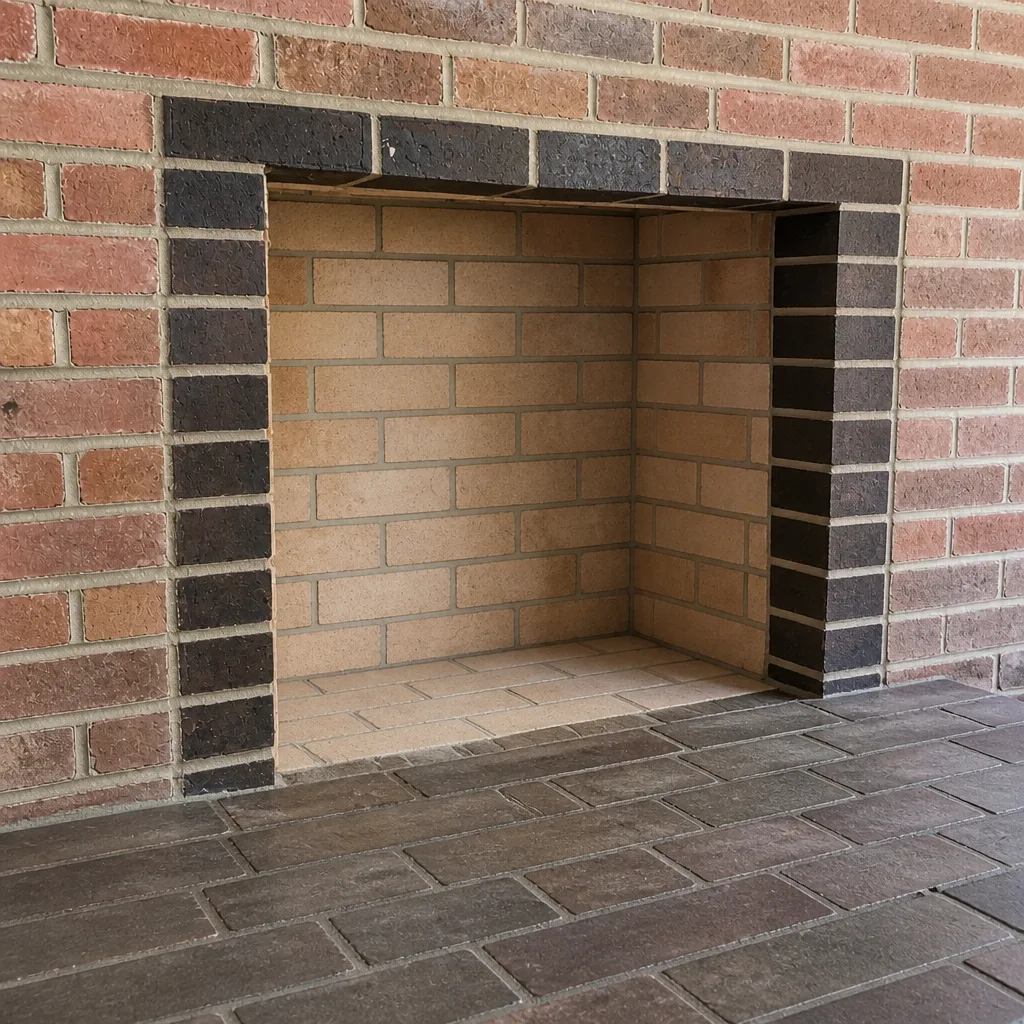
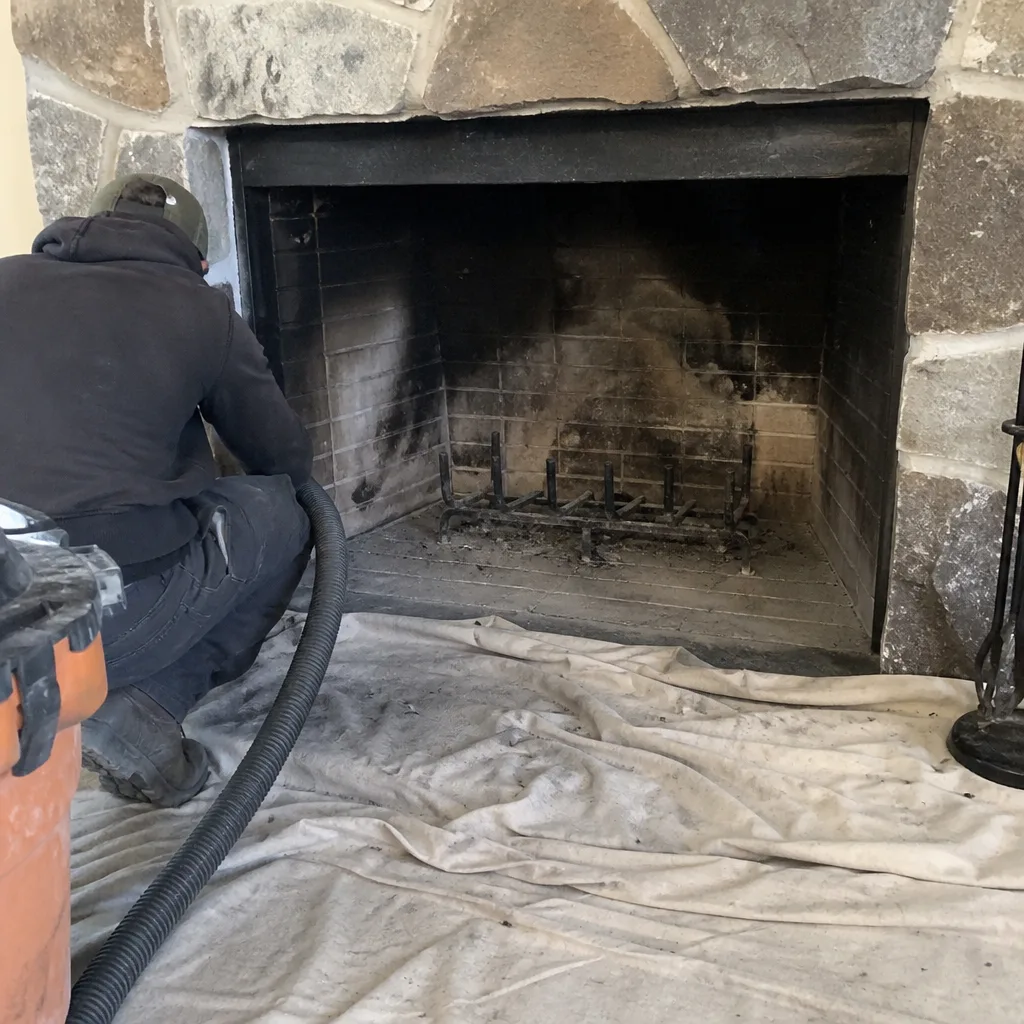
See the difference
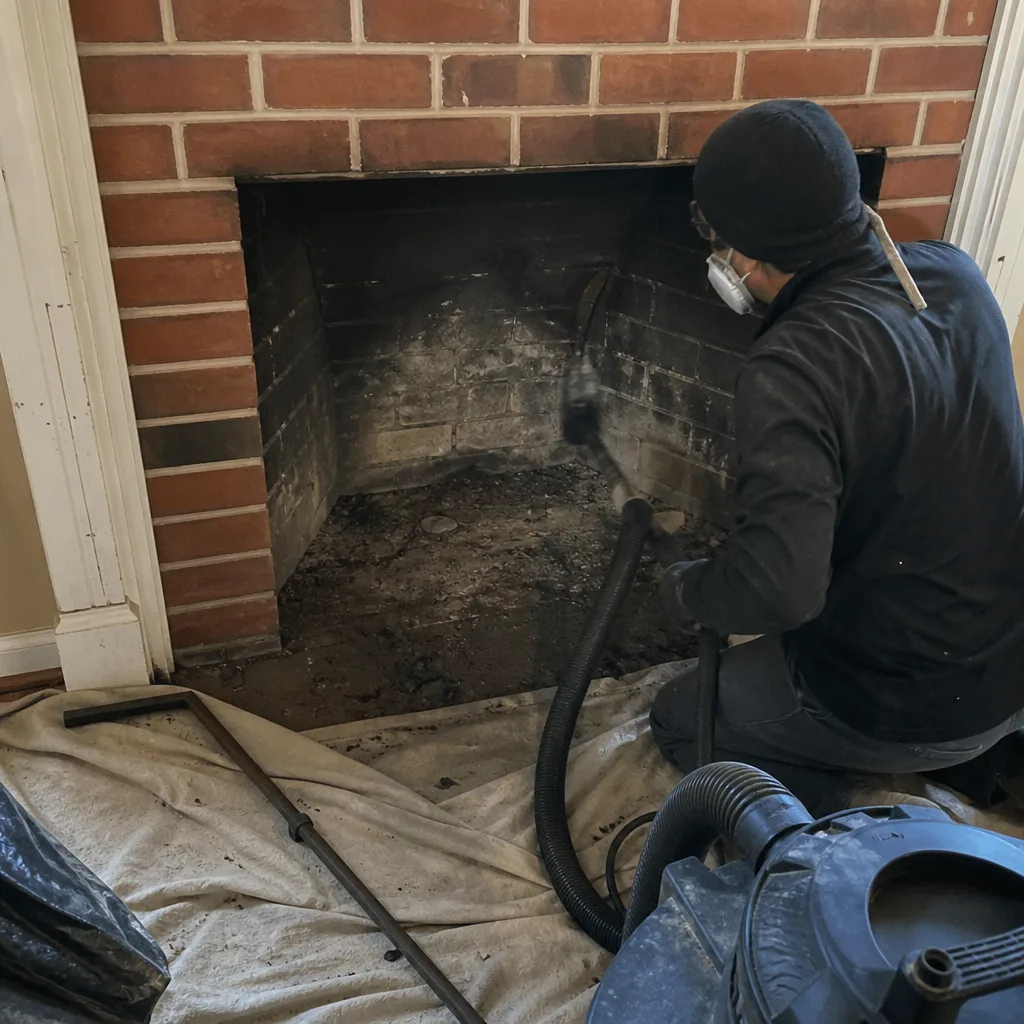 Before
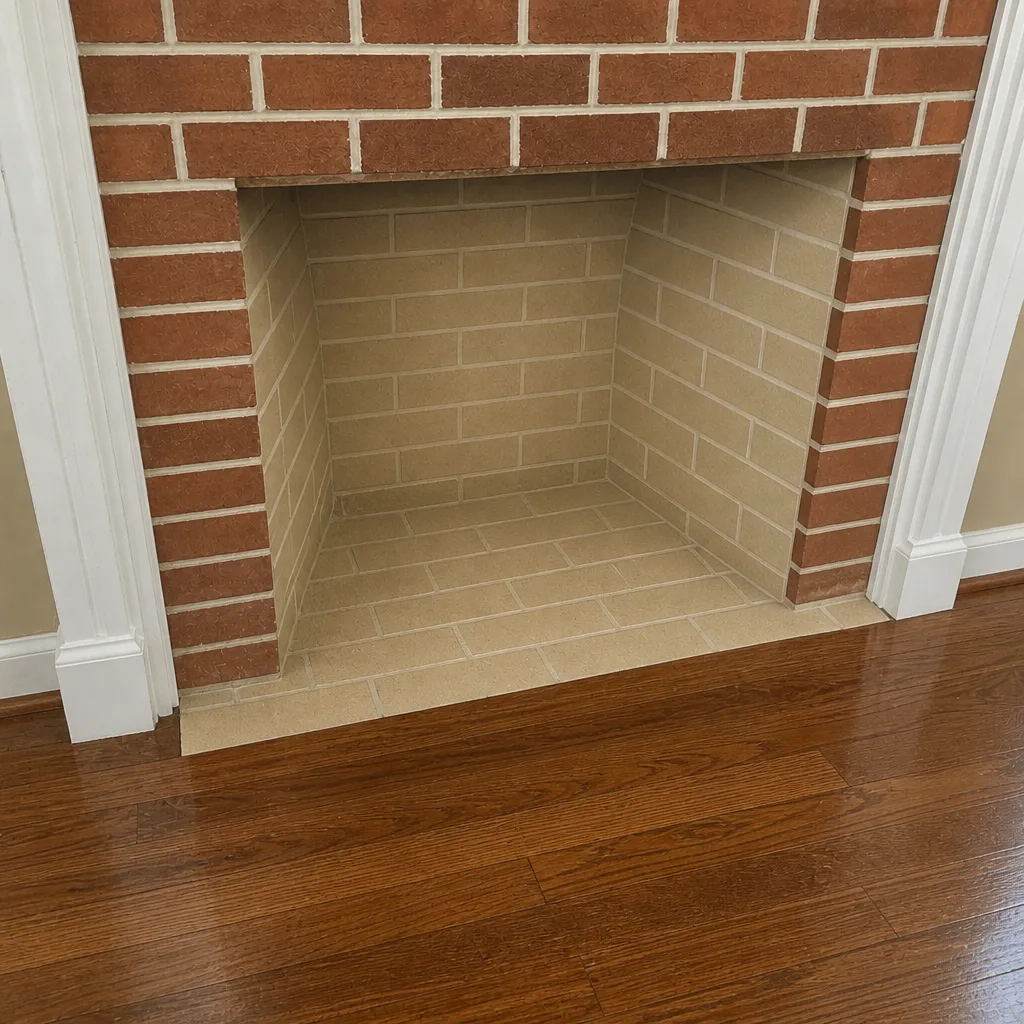 After
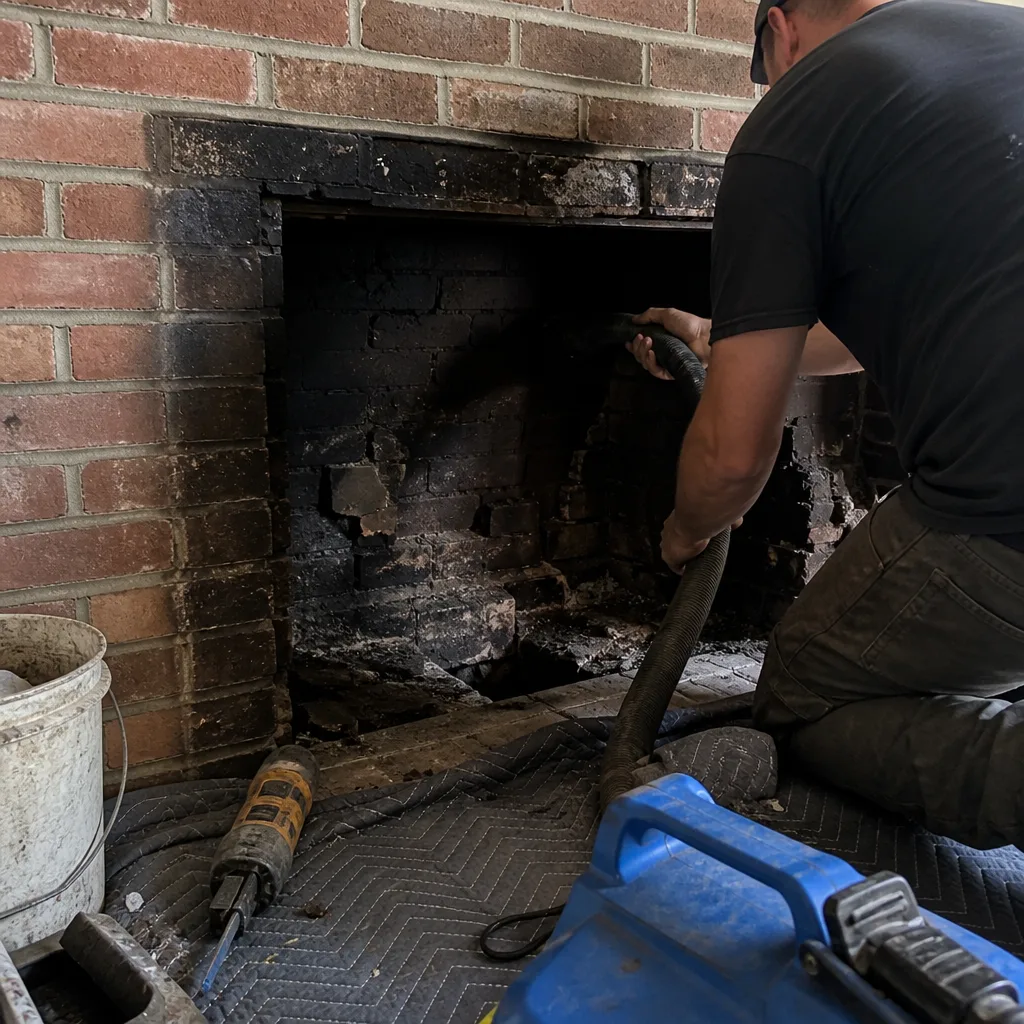 Before
 After
 Before
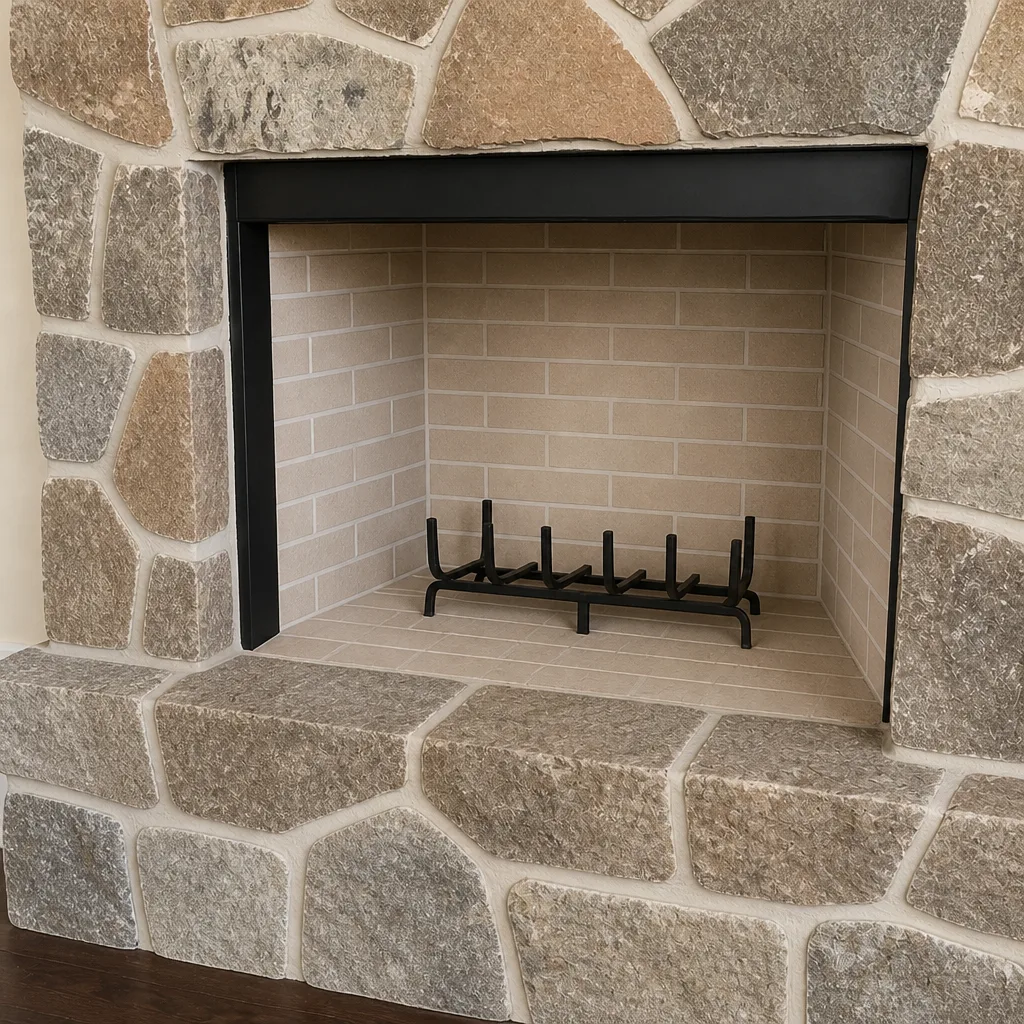 After
When to Call a Professional
Call a professional if you smell creosote or see shiny, crusty deposits inside the flue, if the fireplace smokes back into the room, if your damper won’t seal, or if your chimney hasn’t been inspected since you bought the house. Those aren’t DIY situations. Creosote buildup and liner damage are the kind of problems that look small from the firebox and aren’t. If you’ve had a chimney fire, even a small one, get it inspected before lighting another fire. Gas appliance flues need professional inspection too, because the risks are different and not visible from the room. In Hampton, we offer free estimates and can tell you from the inspection whether the work is a cleaning, a repair, or something that can safely wait. Chimney Sweep Hampton offers free estimates in Hampton: call (833) 572-0756. We answer 24/7. Fast dispatch from 7am to 7pm, Sunday through Friday.
Frequently Asked Questions
A full professional chimney cleaning in Hampton typically costs $180 to $340, and a basic sweep with no inspection or documentation often runs $99 to $150. The difference covers the rotary system, the inspection camera, the written report, and the debris disposal. Call (833) 572-0756 for an exact quote. Estimates are free.
Because it’s a different job, not a discounted version of the same one. The $99 price usually excludes the inspection camera, the written report, and often the rotary system that actually removes glazed creosote. You’re paying less because less is being done. Call (833) 572-0756 to compare what’s included in our estimate.
Yes, a camera inspection should be part of a professional cleaning because it’s the only way to see the flue interior where liner cracks and deteriorating joints hide. A flashlight from the firebox can’t see halfway up the flue. Without the camera, nobody knows the flue’s real condition. Call (833) 572-0756 for a free estimate that includes a written report.
Once a year for a wood-burning fireplace or wood stove, and once a year for an inspection on a gas appliance flue even though it doesn’t produce creosote the same way. Hampton’s intermittent burn pattern, with mild stretches between cold snaps, tends to build more creosote per cord than steady burning. Call (833) 572-0756 to book before burning season.
Creosote keeps accumulating on the flue walls, and it ignites at a lower temperature than most homeowners expect, which is how chimney fires start. The liner can also degrade without visible signs until it fails. Skipping a season isn’t automatically dangerous, but skipping it blind means nobody knows the condition of your flue. Call (833) 572-0756 for an inspection you can see the results of.
Resurfacing with HeatShield is enough when the flue is structurally sound and the problem is deteriorated mortar joints, while a full DuraFlex reline is needed when the liner itself is cracked or compromised. The camera scan determines which applies. Nothing is recommended without evidence you can see for yourself. Call (833) 572-0756 for an honest read on which option you actually need.
The Bottom Line
The price difference between a coupon sweep and a professional cleaning isn’t markup. It’s a list of specific things: the rotary system that removes glazed creosote, the camera that reveals the flue’s true condition, the written report that documents it, and the disposal that leaves your property clean. In Hampton, a full cleaning typically runs $180 to $340, and add-ons like a cap replacement or damper repair are priced separately by written estimate. Read the scope of any quote before you compare the number, ask to see the evidence behind any repair recommendation, and schedule before burning season. For an honest, documented estimate in Hampton, call (833) 572-0756. We answer 24/7. Fast dispatch from 7am to 7pm, Sunday through Friday. Every job starts with a free estimate.
If you’re scheduling a cleaning in Hampton, we can look at the whole system in one visit and give you a written estimate before any work starts. Our technicians have up to 9 years of experience, and we handle sweep, inspect, and repair under one company.
Written by the team at Chimney Sweep Hampton.