
Last updated November 16, 2026
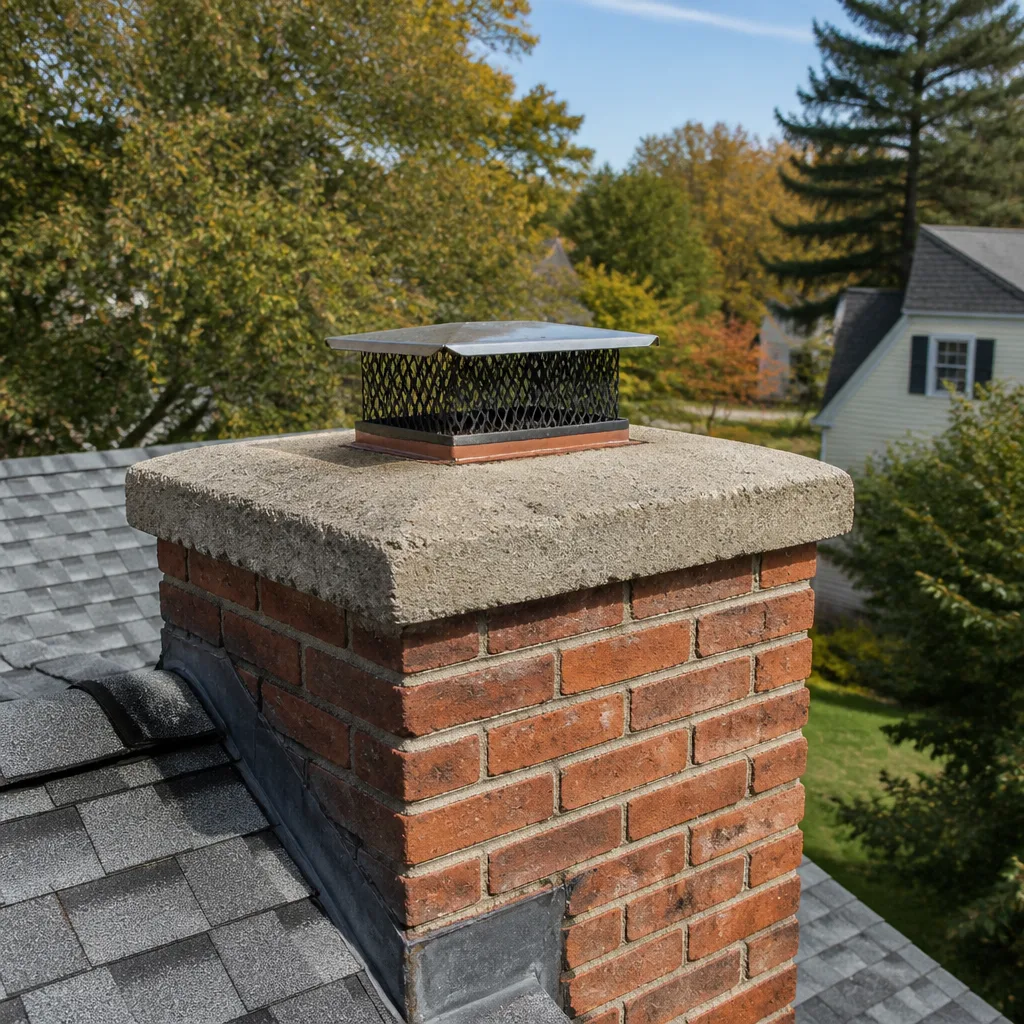 Sweep & inspection
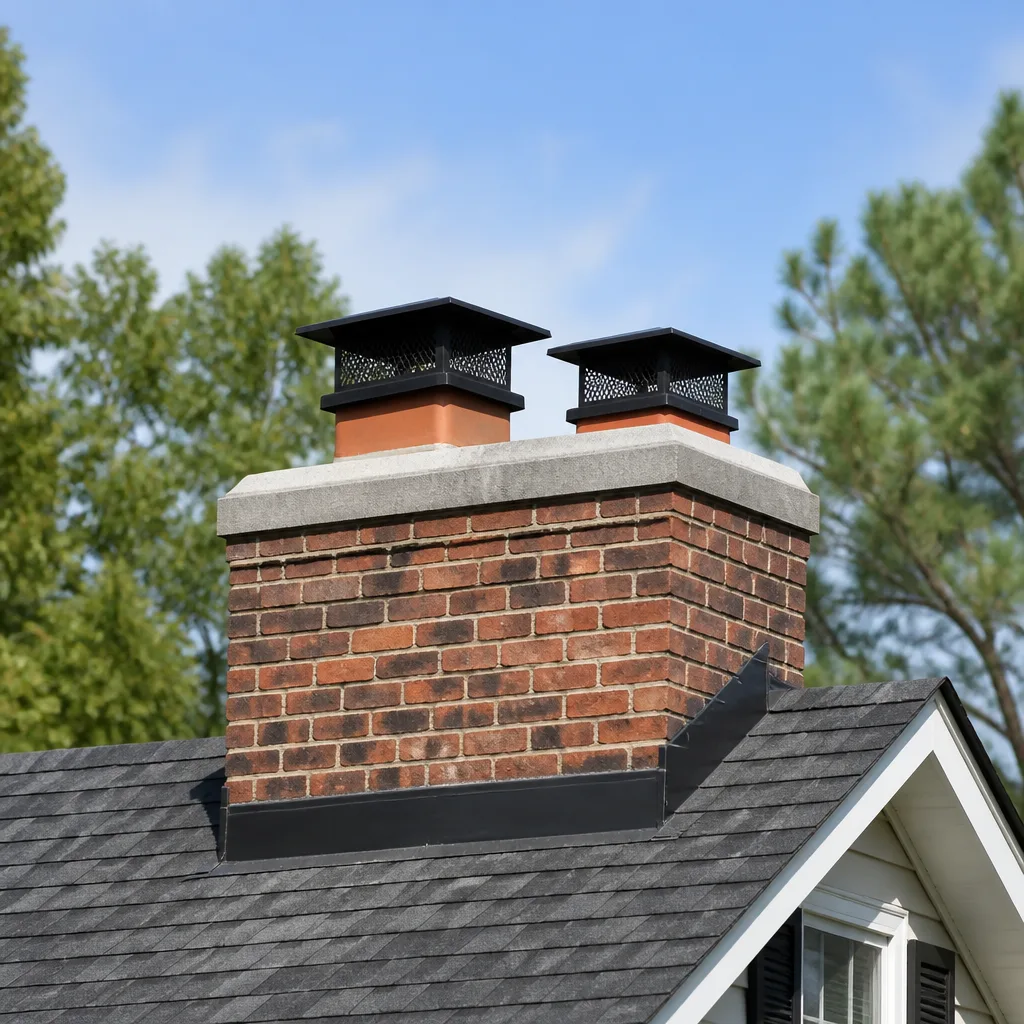 Caps & crowns
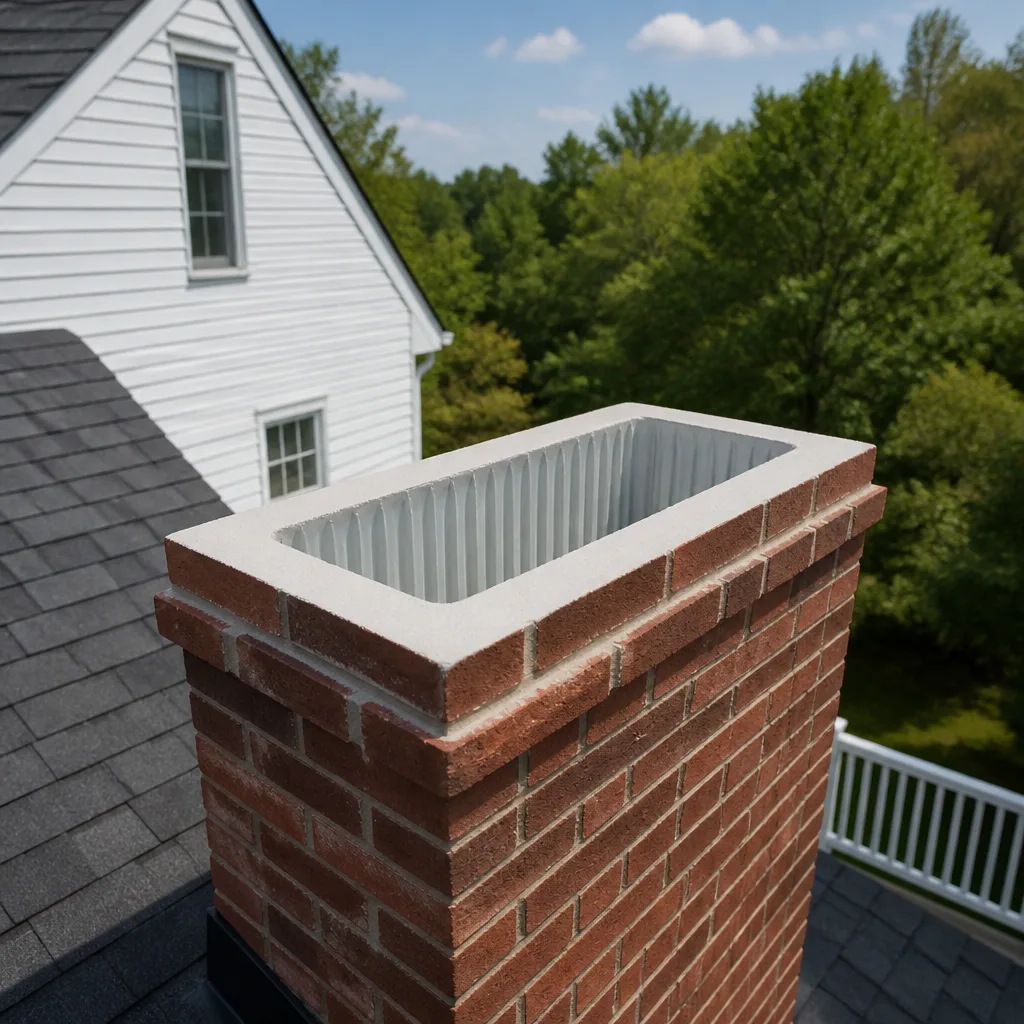 Flue relining
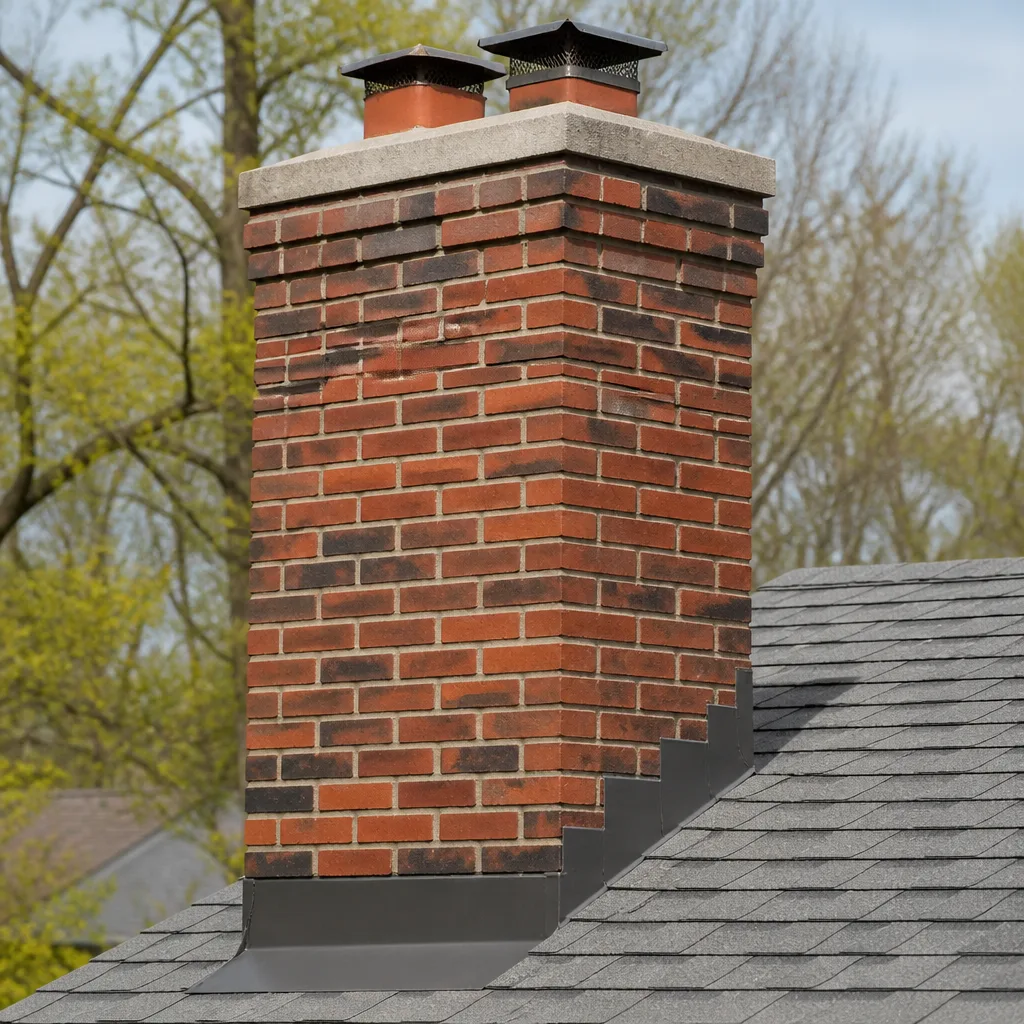 Masonry repair
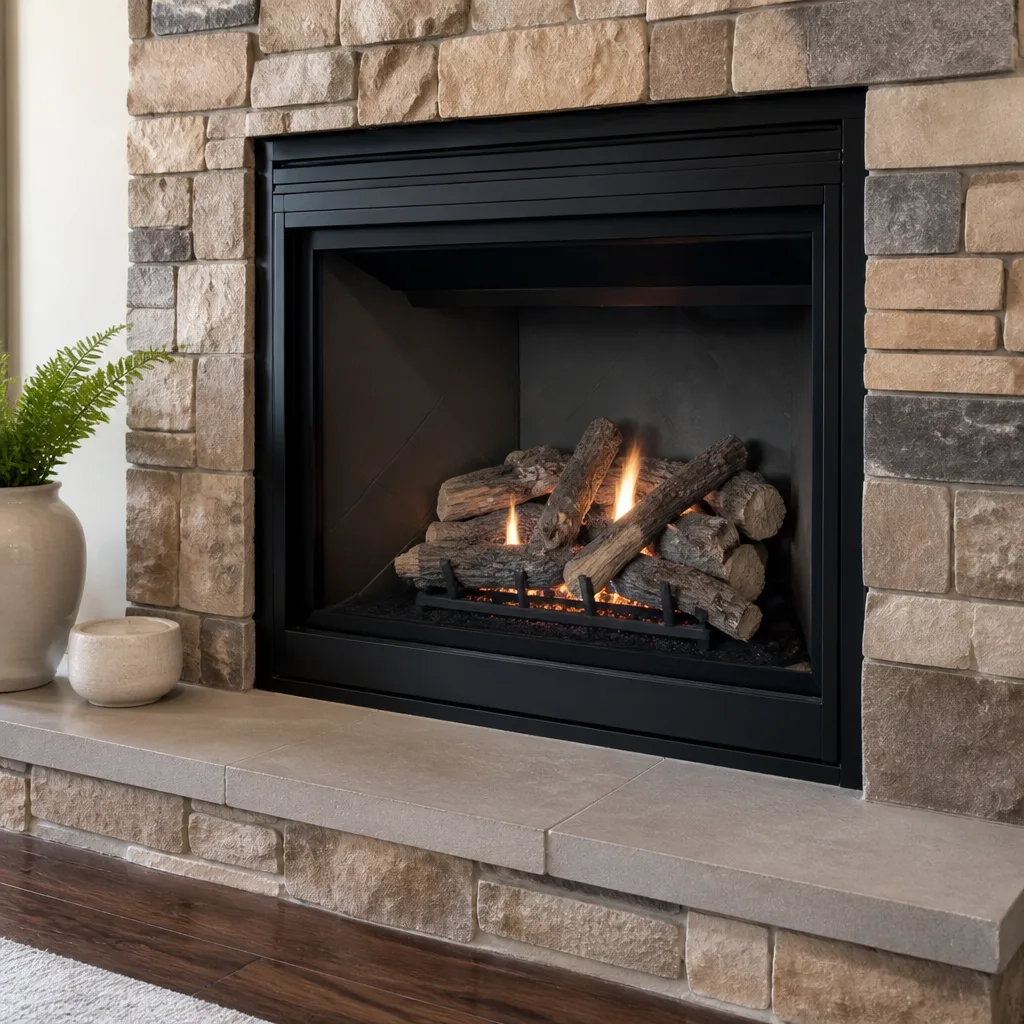 Gas fireplace service
Level 1 sweep and inspection to the NFPA 211 annual standard - flue, crown, cap, and flashing checked and photographed
Chimney sweep logs do not sweep chimneys. They loosen some creosote - which then falls where a brush and vacuum still have to collect it.
How to Hire a Chimney Cleaning Contractor in Hampton: A Step-by-Step Guide
Ask a chimney contractor what brand of rotary cleaning rods they use. If they hesitate, or give you a vague answer about “the standard stuff,” you’ve already learned something important about how seriously they take the work. Most homeowners hiring in Hampton shop on price first, and that’s backwards. The person on your roof either knows chimney systems or they don’t, and the gap between those two people shows up in what they miss. This guide walks you through the vetting questions, the credentials worth verifying, and the red flags that separate a materials-serious specialist from a generalist who added sweeping to pad a service menu.
Quick Answer
To hire a chimney cleaning contractor in Hampton, verify CSIA or NFI credentials directly through the certifying body’s online lookup rather than trusting a business card, ask five technical questions about equipment and materials, and require a written inspection report with photo documentation before any repair is authorized. A contractor who can’t or won’t provide those three things isn’t the right hire, no matter what the quote says.
Styles & brands we work with
- Sweep & inspection
- Caps & crowns
- Flue relining
- Masonry repair
- Gas fireplace service
Table of Contents
- Why hiring a chimney contractor is a trust problem, not a price problem
- Which credentials actually matter, and how to confirm them
- Five technical questions a generalist can’t answer
- What a written inspection report should contain
- How to evaluate before-and-after photos as proof of work
- Sweeping-only quote versus full-service cleaning quote
- Why materials brands tell you more than a brochure does
- Common mistakes to avoid
- Frequently asked questions
Why hiring a chimney contractor in Hampton is a trust problem, not a price problem
Chimney work is one of the few home services where the homeowner genuinely cannot see the problem. You can look at a roof and spot a missing shingle. You can open a breaker panel and see scorching. But the inside of a flue is a black tube, and whether it’s coated in a quarter inch of creosote or a half inch is invisible from the ground. That information asymmetry is exactly what a bad contractor counts on.
In Hampton, the housing stock adds a wrinkle. Plenty of homes here were built with masonry fireplaces that have been through decades of heating seasons, and some have had liners replaced or inserts added over the years without great documentation. When you’re buying a house in Hampton or inheriting a chimney you don’t have records for, the only reliable way to know what’s inside is an inspection with camera evidence you can see for yourself. The contractor’s job is to show you, not tell you.
The other reason trust beats price: a cheap sweep that skips the inspection isn’t a bargain. It’s a cleaning visit that leaves you with no information about whether your flue is safe to use. The price difference between a proper full-service visit and a bargain sweep is small. The difference in what you know afterward is enormous.
That’s the lens for everything below. Not “who’s cheapest,” but “who can prove what they found.”
Which credentials actually matter, and how to confirm them
The two credentialing bodies worth knowing are the Chimney Safety Institute of America (CSIA) and the National Fireplace Institute (NFI). CSIA certifies chimney sweeps. NFI certifies technicians on specific appliance types, including wood and gas. A contractor carrying either has passed a proctored exam and, in CSIA’s case, is bound to a code of ethics.
Here’s the part most homeowners skip. Anyone can print “CSIA Certified” on a business card. Confirmation is free and takes about two minutes:
- Ask the contractor for the full name and certification number of the technician who will actually do the work. Not the company name, the individual.
- Go to the CSIA or NFI website and use their online credential lookup.
- Match the name, number, and current status. A lapsed certification is not a certification.
- Ask whether the technician on your job specifically holds the credential, or whether the company holds it while sending someone else.
That last question matters. A company can advertise certification while dispatching an uncertified helper. In our experience, a specialist operation answers this plainly and can tell you who’s coming and what they hold. A generalist gets flustered, because the honest answer is that the credential belongs to the business and the person at your door may have none. For chimney work that involves entering your home, evaluating a flue, and recommending structural repairs, that distinction is worth asking about.
One more check: ask whether the contractor carries liability insurance and workers’ compensation coverage, and request a certificate of insurance. A contractor who can’t produce one is putting your home at risk if something goes wrong. Confirm it, don’t take “we’re fully insured” as an answer.
When you’re ready to put a name to the work, you can start with Chimney Sweep Hampton and ask these questions directly. We answer them the same way every time.
Five technical questions a generalist can’t answer
These questions aren’t gotchas. Each one maps to a real decision that affects the quality of the job. A specialist answers them without pausing, because these are the tools of the trade. A handyman who sweeps on the side tends to go quiet.
1. What kind of rods and brushes do you use for a masonry flue versus a stainless liner?
Polypropylene rods and appropriate brushes handle masonry flues and stainless liners differently. A technician who knows chimney systems matches the tool to the flue material. Someone who uses one setup for everything risks scratching a liner or missing buildup in the corners of a masonry flue.
2. How do you remove creosote that’s glazed onto the flue walls?
Glazed, third-degree creosote doesn’t come off with a standard brush pass. It requires rotary cleaning equipment, and sometimes chemical treatment first. A contractor who says “the brush handles it” hasn’t dealt with a heavily used fireplace much.
3. What do you do when you find deteriorated mortar joints in the flue?
This is the question that separates a sweeper from a chimney specialist. The answer should include options: relining with a system like DuraFlex, resurfacing the existing liner with a product like HeatShield, or in some cases noting the deterioration and monitoring it. A contractor whose only answer is “you need a whole new liner” is selling, not diagnosing. A contractor with no answer at all has never looked closely enough to find the problem.
4. How do you protect the interior of my home during cleaning?
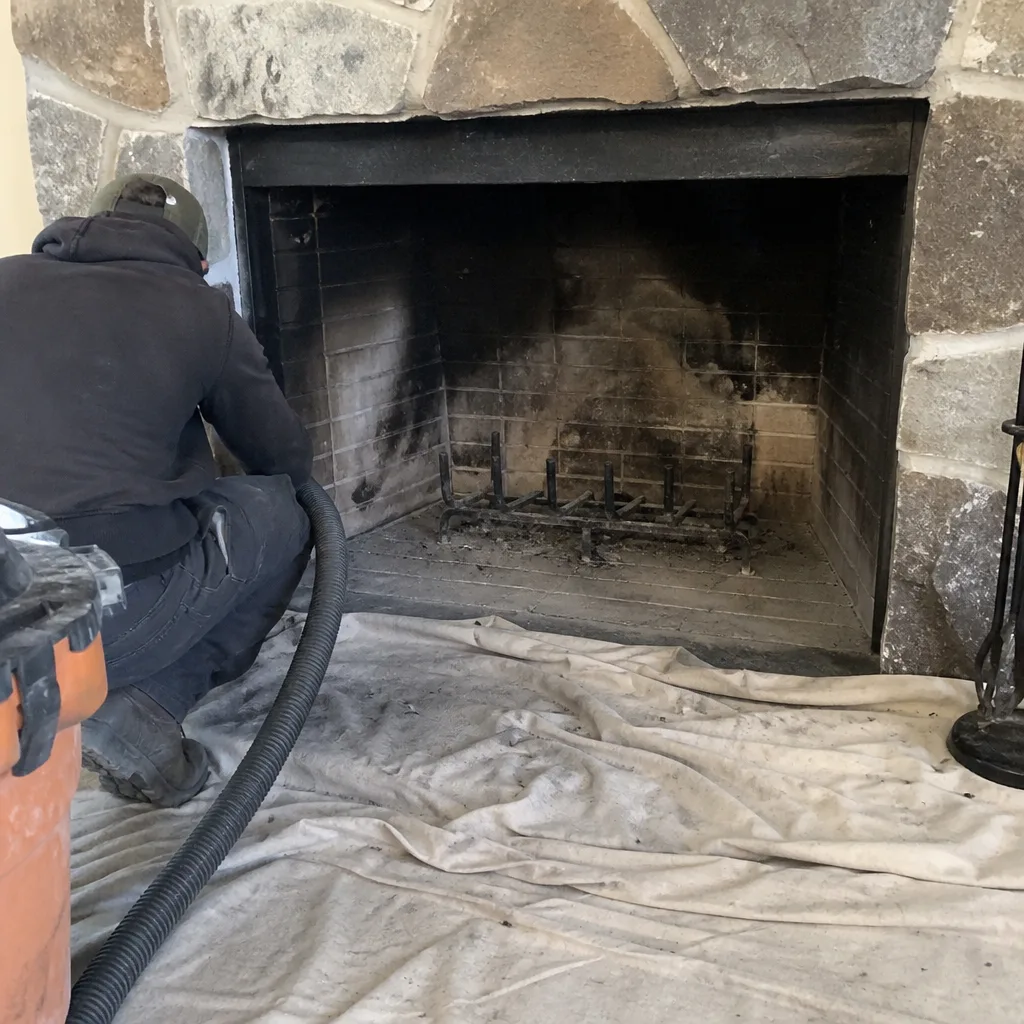
A proper sweep sets up drop cloths and a dust-containment system at the firebox. If the answer is “we’re just careful,” that’s not a system.
5. What cap and termination materials do you recommend, and why?
Caps and venting components from established manufacturers like Gelco or Olympia Chimney solve specific problems: water intrusion, animal entry, downdraft. A contractor who names specific products is someone who has thought about what goes on the top of the chimney, not just what’s inside it.
Ask these before you book. You’ll learn more in five minutes than in an hour of reading reviews.
What a written inspection report should contain
A written report is the difference between a service call and a documented evaluation. If a contractor won’t put findings in writing, that’s a red flag on its own, because it means there’s no record to hold anyone to and no evidence you can review later. In Hampton, where many homes change hands and chimney history gets lost, that documentation is worth keeping with your house records.
A proper report should include:
- The condition of the flue interior, described in plain terms and by level of creosote accumulation where relevant.
- Findings on the firebox and smoke chamber, not just the flue.
- The condition of the crown, cap, and flashing at the top of the chimney.
- Photo documentation of anything flagged, so you can see what the technician saw.
- A clear recommendation for each finding, including which items are urgent, which can wait, and which are simply monitoring items.
- The level of inspection performed, since a basic sweep and a more detailed evaluation are different scopes.
The recommendation piece matters most. A report that says “liner deterioration, needs replacement” without photo evidence and a stated reason is not a diagnosis, it’s a sales pitch. You should be able to look at the photos and understand why the recommendation was made. If you can’t, ask, and expect a clear answer. Work that can safely wait should be identified as such. Any contractor who tells you everything is urgent on the first visit is telling you something about how they do business.
This is the standard we hold ourselves to. A chimney inspection-grade report is only useful if it’s honest about what can wait.
How to evaluate before-and-after photos as proof of work
Photos are the closest most homeowners get to seeing inside their own chimney. But not all job photos are equal. Here’s how to read them.
Look for consistent framing. Before and after shots of the same flue should be from the same angle and similar distance. If the “after” photo is a different view entirely, it proves nothing.
Check the date and context. Legitimate documentation includes enough context to tie the photo to your job: your address on the report, the date of the visit, a description of what’s shown. A folder of loose images with no identifiers is not proof of anything.
Ask for video where it applies. Modern chimney work uses camera inspection for flues. A contractor who can show you footage of the flue interior is showing you the actual condition, not a representative example.
Be skeptical of perfection. Real chimneys show wear. A “before” photo that’s dramatically worse than anything you’d expect, paired with an “after” that looks brand new, deserves a question about whether the photos are from your chimney or a stock set.
When you ask for documentation, you’re not being difficult. You’re doing what any careful homeowner should do when the work is invisible and the recommendation is expensive. A specialist who uses professional-grade materials and documents properly will welcome the request. It’s evidence of their own work.
Sweeping-only quote versus full-service cleaning quote
This is where a lot of homeowners get quietly shortchanged. The two quotes look similar on paper. What gets skipped in the cheaper version is everything that tells you whether your chimney is safe.
A sweeping-only visit usually covers: brushing the flue, removing what comes loose, and a visual look from the firebox. That’s it. No top-side inspection, no camera, no written report, no evaluation of the crown or cap.
A full-service cleaning covers the sweep plus:
- Inspection from both the firebox and the top of the chimney.
- Evaluation of the crown, cap, and flashing.
- Camera inspection of the flue where warranted.
- A written report with findings and recommendations.
- Photo documentation of anything flagged.
When you get a quote, ask which scope it covers. If the answer is “just a sweep,” you’re paying for half the visit and getting none of the information. The point of hiring a chimney contractor in Hampton isn’t to have a cleaner flue. It’s to know your chimney is safe to use. That knowledge comes from the inspection, not the brush.
For the full scope of what a proper visit involves, look at what a chimney sweep should include. If your quote matches a brush pass and nothing else, it isn’t the same service.
Why materials brands tell you more than a brochure does
We name the materials we use. That’s a deliberate choice, and it’s the fastest way to tell a specialist from a generalist. A contractor who can tell you which relining system they install, and why, has a real supply chain and real product knowledge. One who can’t has a brush and a ladder.
Concretely: liner resurfacing with a product like HeatShield addresses deteriorating mortar joints without a full liner replacement. That’s a capability beyond basic sweeping, and it’s a real alternative to an expensive reline in the right situation. Full relining jobs call for a system like DuraFlex, which handles the structural side of a flue rebuild. Caps and venting components from Gelco and Olympia Chimney solve specific problems at the top of the chimney. Each of these is a specific tool for a specific diagnosis. The diagnosis comes first, and the material follows.
When you interview a contractor, ask what they’d install and why. The answer should be tied to what they found, not to what’s on sale. If the recommendation is always the most expensive option regardless of what’s in the flue, the materials story is a sales script.
We handle the full loop: sweep, inspect, and repair under one company. That means a single visit can identify a problem and a single relationship can fix it, without coordinating between a sweeper and a separate masonry contractor. For chimney-specific structural work, that continuity is worth something. It’s also why we’re specific about the brands we work with. We’re a chimney specialist, not a generalist who added sweeping to a menu.
Common Mistakes to Avoid
- Hiring on price alone. The cheapest quote in Hampton is usually a sweep without an inspection. You save a little and learn nothing about your flue.
- Accepting a verbal credential. “We’re certified” is not verification. Look up the technician’s name in the CSIA or NFI registry yourself.
- Skipping the written report. No paperwork means no record, no evidence, and nothing to review later. Ask for the report in writing before you book.
- Approving a liner replacement on the first visit without photos. If deterioration is real, you should be able to see it. A recommendation without documentation deserves a question and time to review.
- Assuming a generalist is fine. A handyman who sweeps on the side may do a competent brush pass. That’s not the same as evaluating mortar joints, crown condition, and flue integrity.
- Forgetting the top of the chimney. Crown cracks, failed caps, and loose flashing let water in and cause damage from above. A visit that only looks up from the firebox misses half the chimney.
- Putting it off before heating season. Hampton homes that burn wood start using the fireplace again when the weather turns. Book the inspection before the first fire, not after.
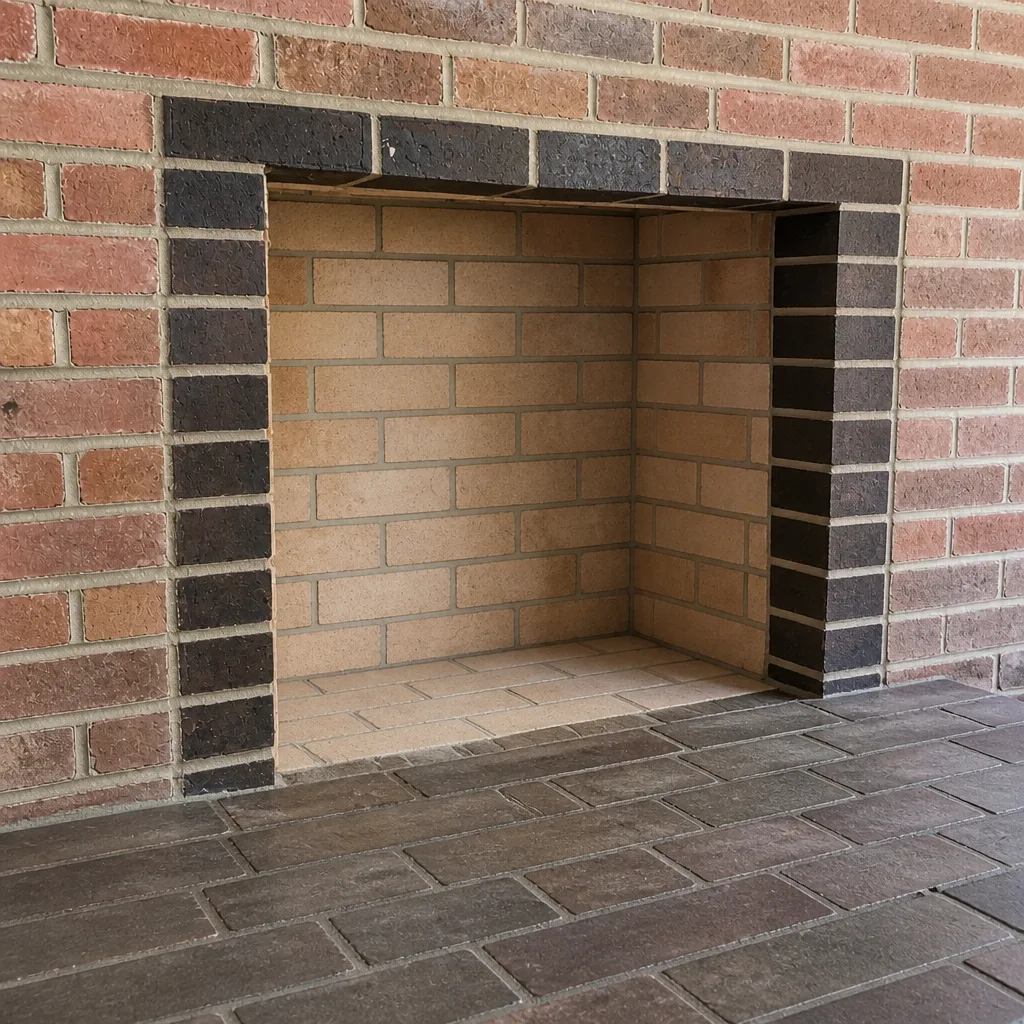
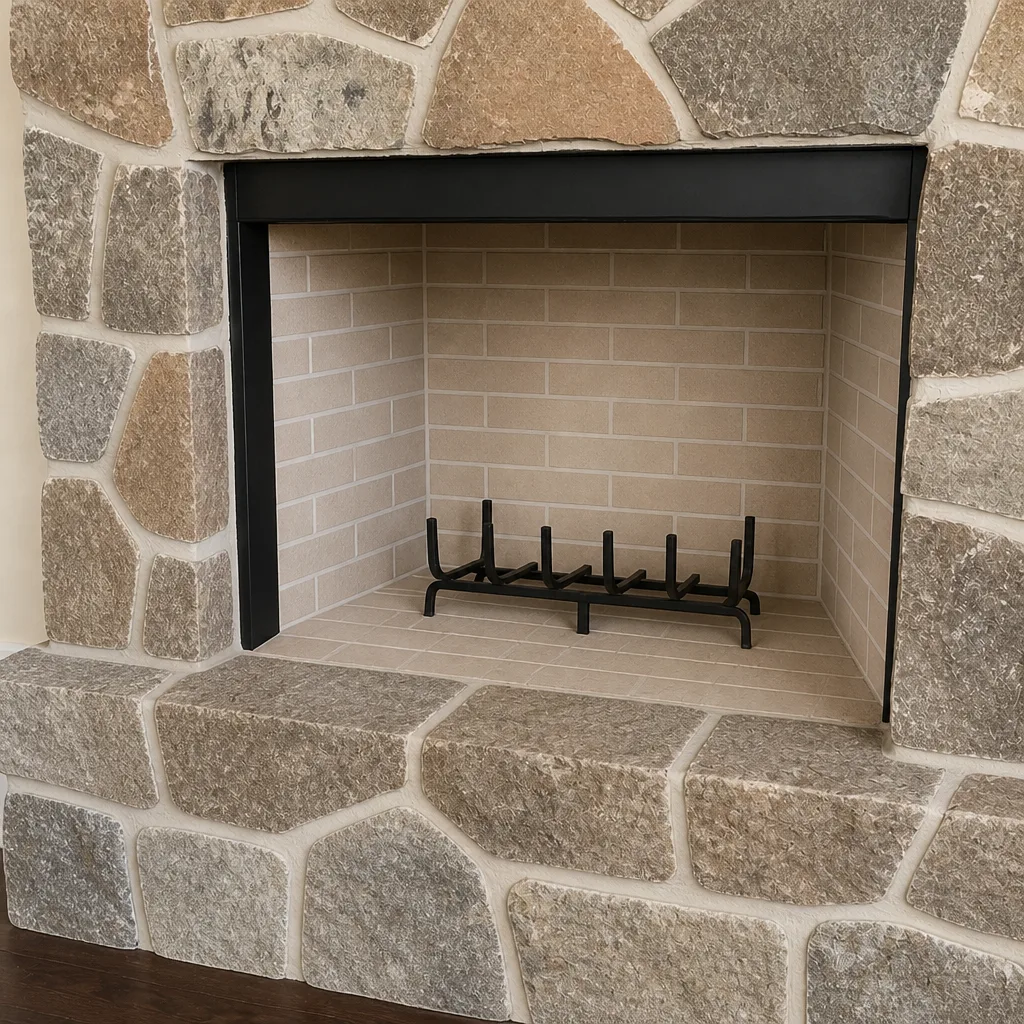
See the difference
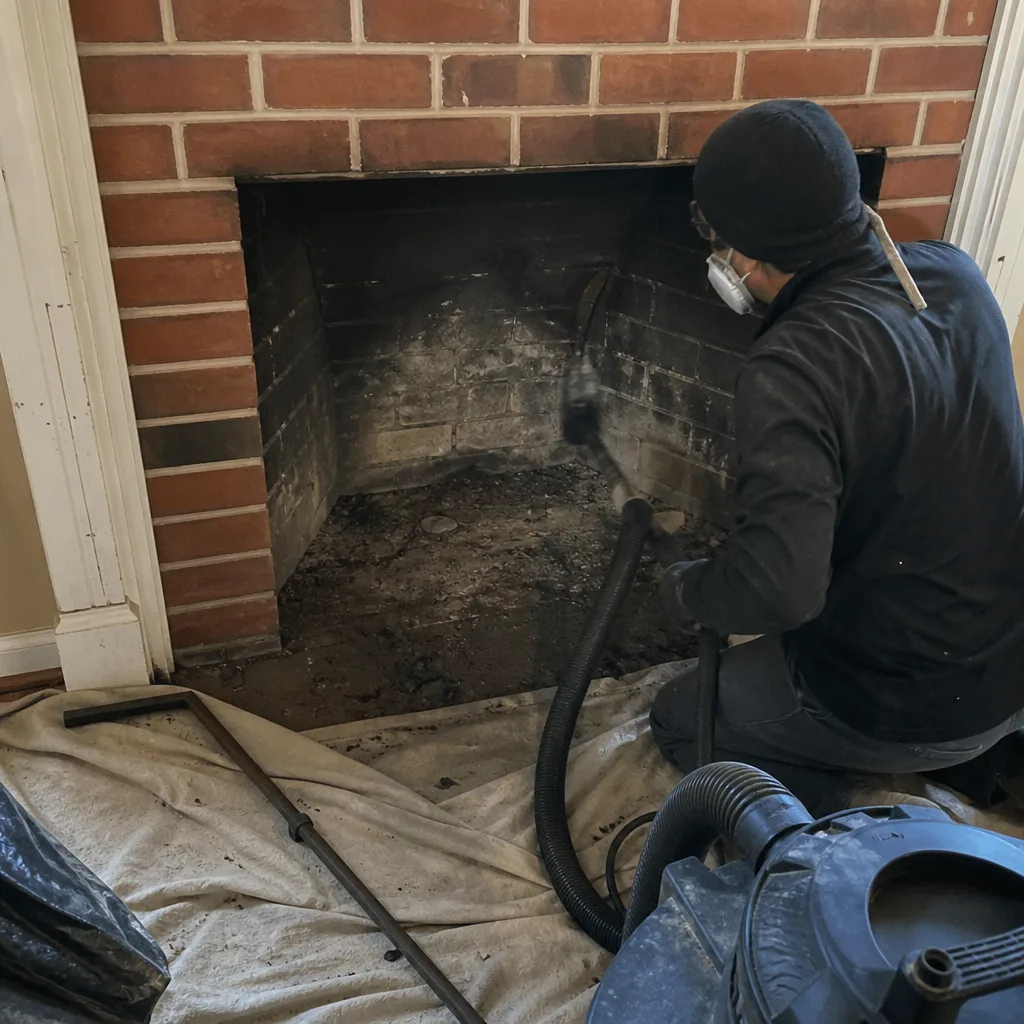 Before
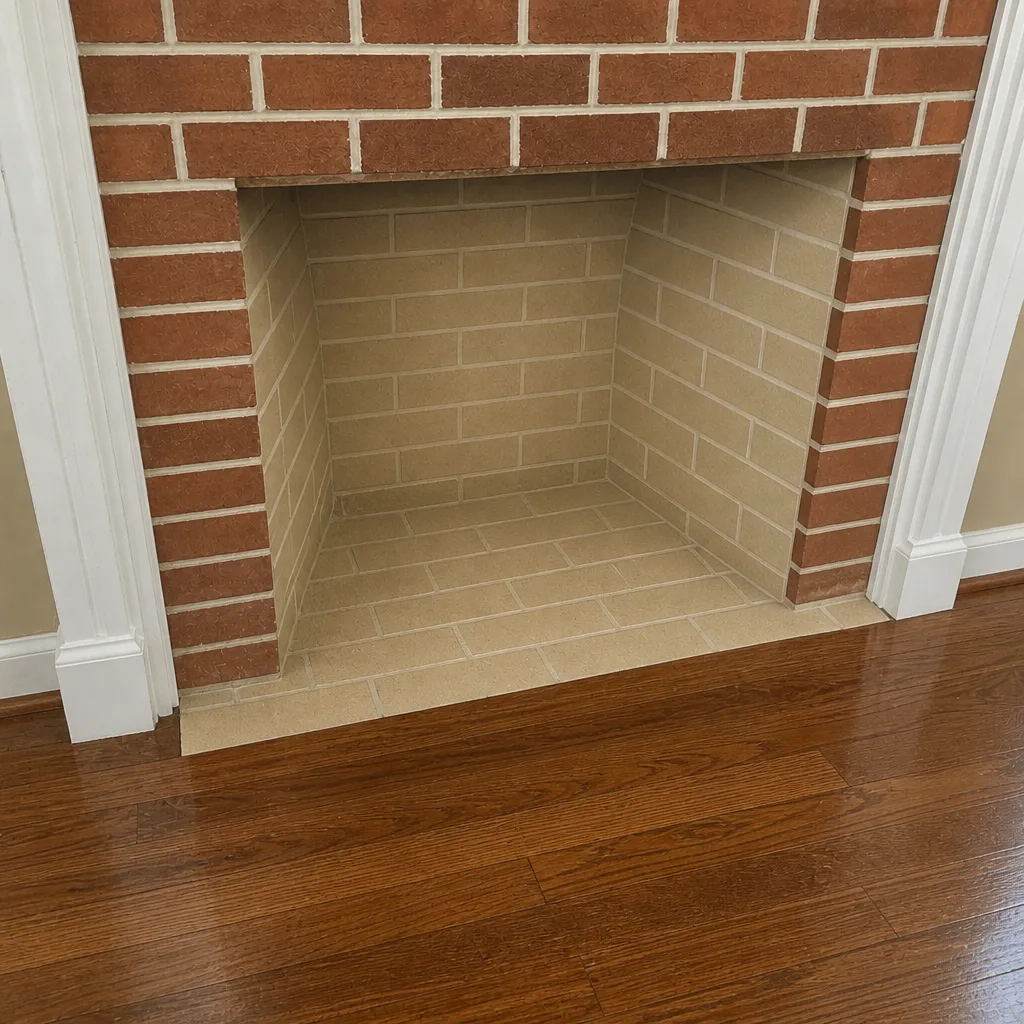 After
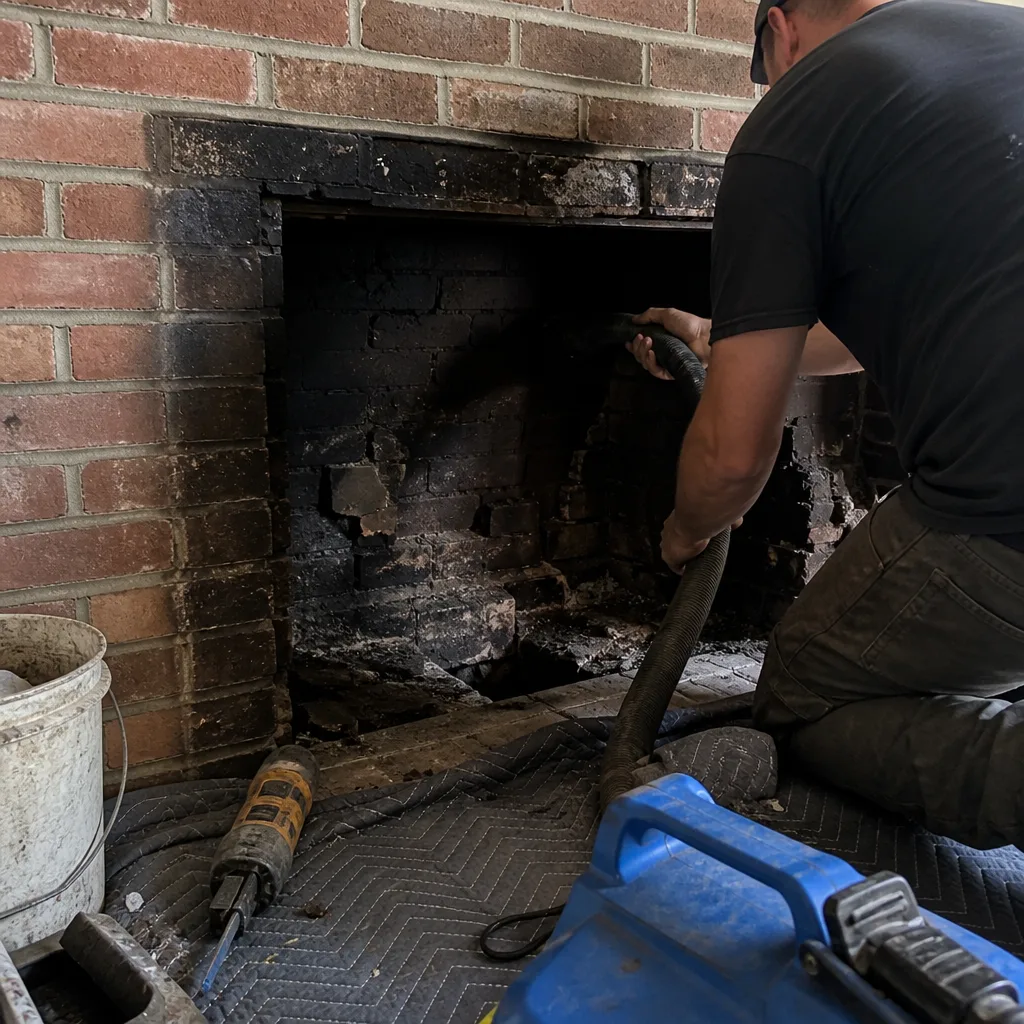 Before
 After
 Before
 After
When to Call a Professional
Call a chimney professional if you’ve never had the chimney inspected, if you’re buying a home in Hampton with a fireplace and no service records, or if you’ve noticed smoke backing into the room, a strong creosote smell, or visible cracking in the firebox or crown. Call if you’ve changed what you burn or added a wood stove or insert. Call if it’s been more than a year since the last sweep with regular use. And call if a previous contractor recommended an expensive repair without showing you photo evidence, because a second opinion with documentation is worth getting before you spend. These are all cases where the right answer comes from an inspection, not a guess. Chimney Sweep Hampton offers free estimates in Hampton. Call (833) 572-0756. We answer 24/7. Fast dispatch from 7am to 7pm, Sunday through Friday.
Frequently Asked Questions
A standard chimney sweep in Hampton typically runs in the low-to-mid hundreds of dollars, with the final price set by a written estimate that reflects your chimney’s condition and whether an inspection is included. A sweep-only visit costs less than a full-service cleaning with a written inspection report, but the cheap version skips the evaluation that tells you whether your flue is safe. Call (833) 572-0756 for an exact quote. Estimates are free.
Only if the evidence shows the existing liner has failed, and that evidence should be visible to you in photos or camera footage. In many cases, deteriorating mortar joints can be addressed with liner resurfacing using a product like HeatShield instead of a full reline. If a contractor recommends a new liner on the first visit without showing you documentation, get a second opinion before you commit. Call (833) 572-0756 to schedule an inspection with photo evidence.
An annual inspection is the standard for any chimney in active use, with sweeping performed whenever the inspection shows enough creosote accumulation to warrant it. Homes that burn wood regularly through the heating season often need a sweep every year. Gas appliance flues need inspection too, even though they produce less creosote. Call (833) 572-0756 to book a visit before the season starts.
Creosote accumulates in the flue and, in sufficient quantity, can ignite, which is how chimney fires start. Beyond fire risk, a blocked or damaged flue can allow carbon monoxide to back into the home, and water intrusion through a failed crown or cap can damage the chimney structure over time. These are real hazards, not scare tactics, and an inspection is how you find out whether any apply to your chimney. Call (833) 572-0756 for a documented evaluation.
Yes, and you should. Ask for the full name and certification number of the technician doing the work, then look it up in the CSIA’s online credential lookup. Confirm the status is current. A lapsed certification should not be treated as valid, and a company-level claim doesn’t necessarily mean the person at your door is certified. Call (833) 572-0756 and ask us directly who’s coming.
A proper report should cover the flue interior, firebox, smoke chamber, crown, cap, and flashing, with photo documentation of anything flagged and a clear recommendation for each finding. It should distinguish urgent items from ones that can wait. Refusal to provide anything in writing is a red flag, because it leaves you with no evidence and no record for your home’s files. Call (833) 572-0756 to book an inspection with a written report.
The Bottom Line
Hiring a chimney contractor in Hampton comes down to whether the person on your roof can show you what they found. Verify the technician’s CSIA or NFI credential through the registry, ask the five technical questions before you book, insist on a written report with photos, and be clear on whether the quote covers a sweep or a full-service cleaning. A specialist answers all of that without hesitation and names the materials they use, because the materials are how a diagnosis becomes a repair. If you’re ready to get a documented evaluation of your chimney before heating season, we’re the team to call. For chimney repair work once a problem is confirmed, start with chimney repair, and for the broader picture of chimney service in Hampton, we’re glad to walk you through it. Call (833) 572-0756 for a free estimate. We answer 24/7. Fast dispatch from 7am to 7pm, Sunday through Friday.
Written by the team at Chimney Sweep Hampton.