
Last updated November 16, 2026
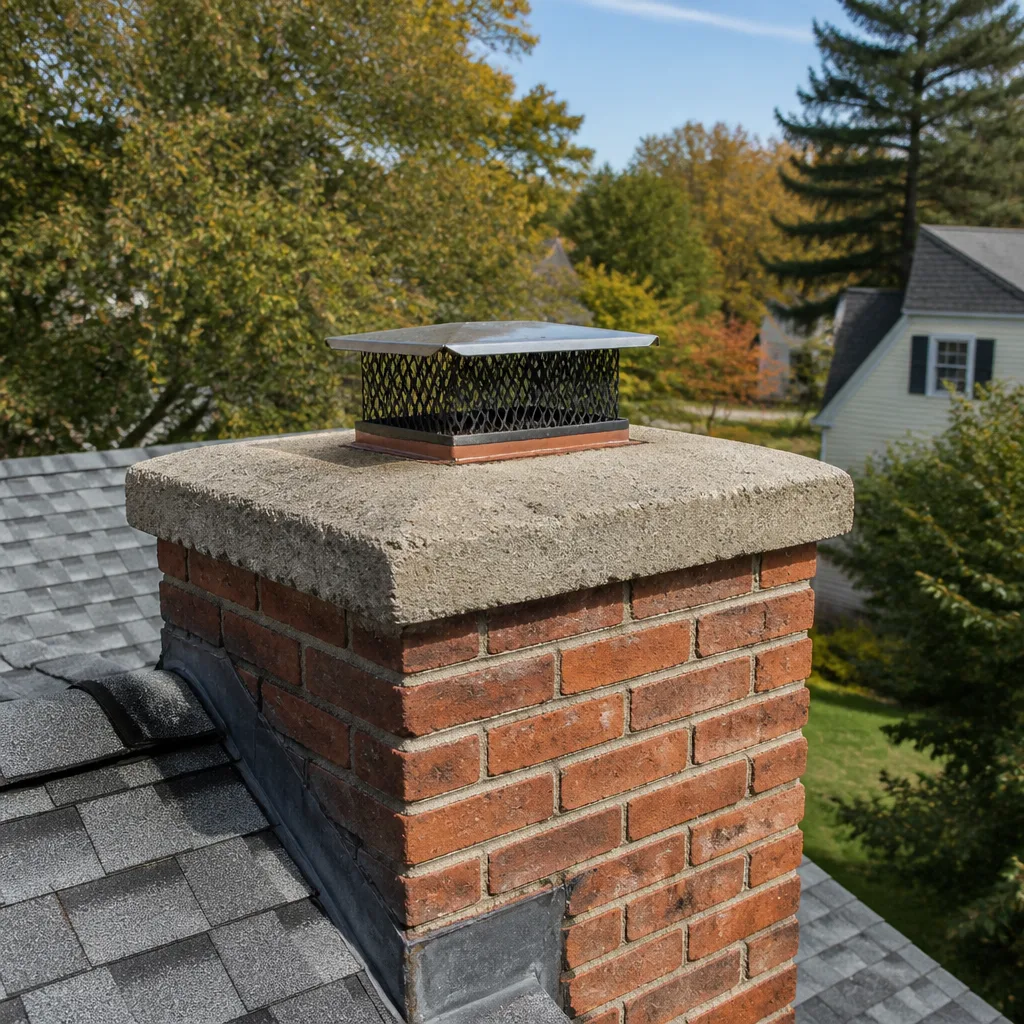 Sweep & inspection
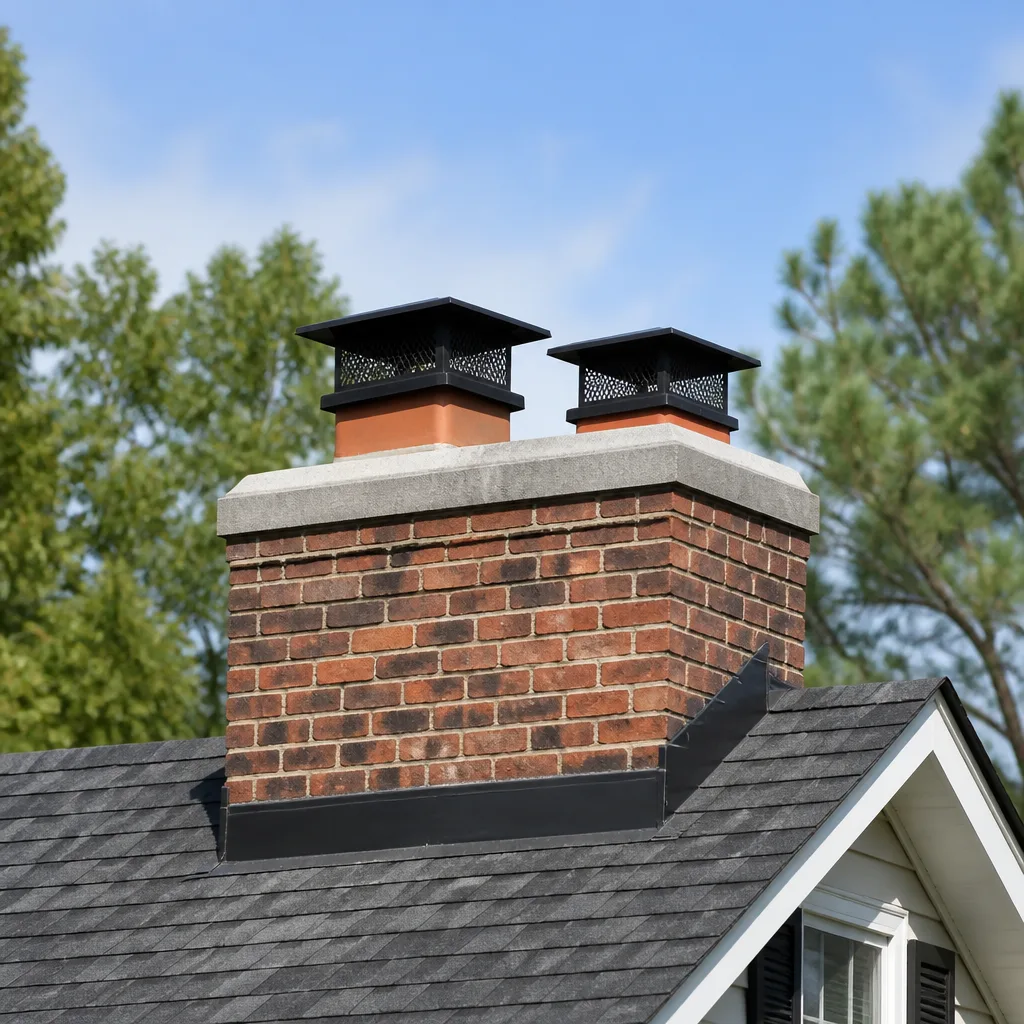 Caps & crowns
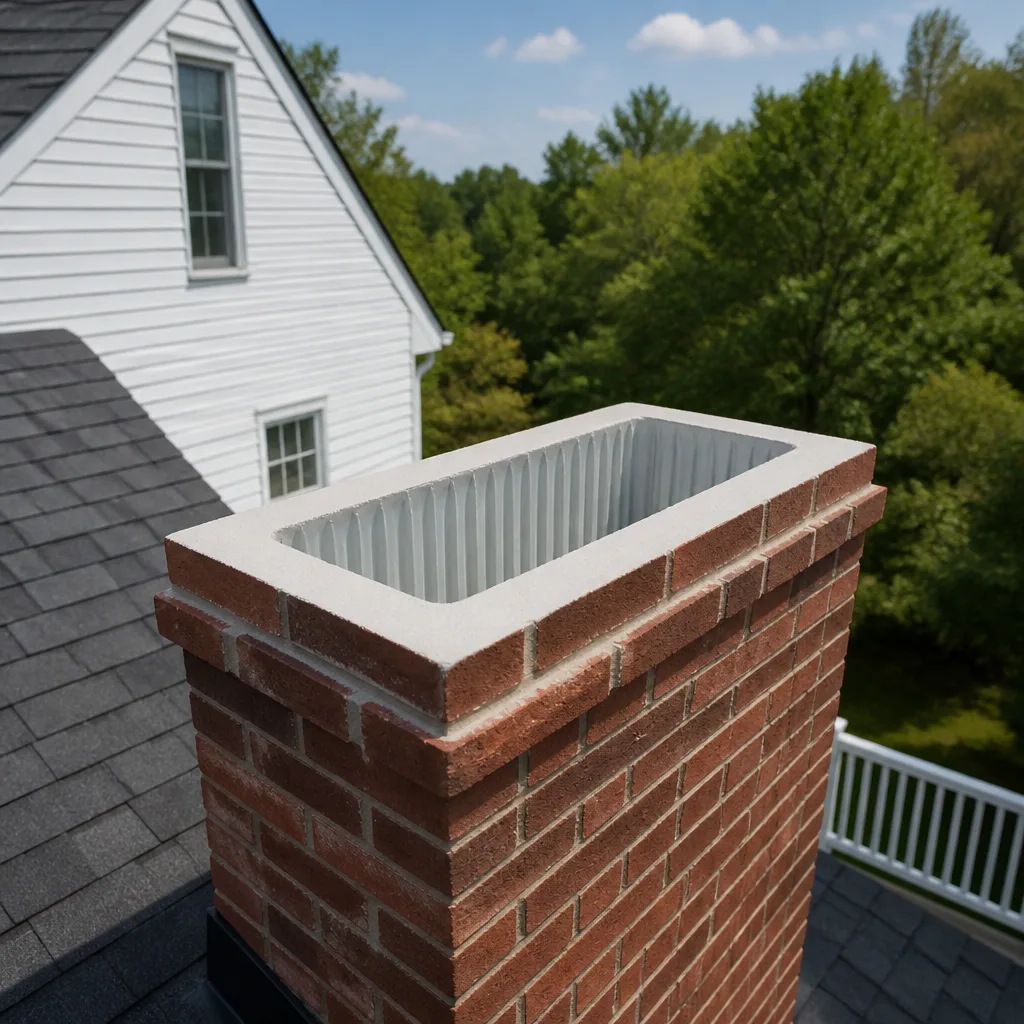 Flue relining
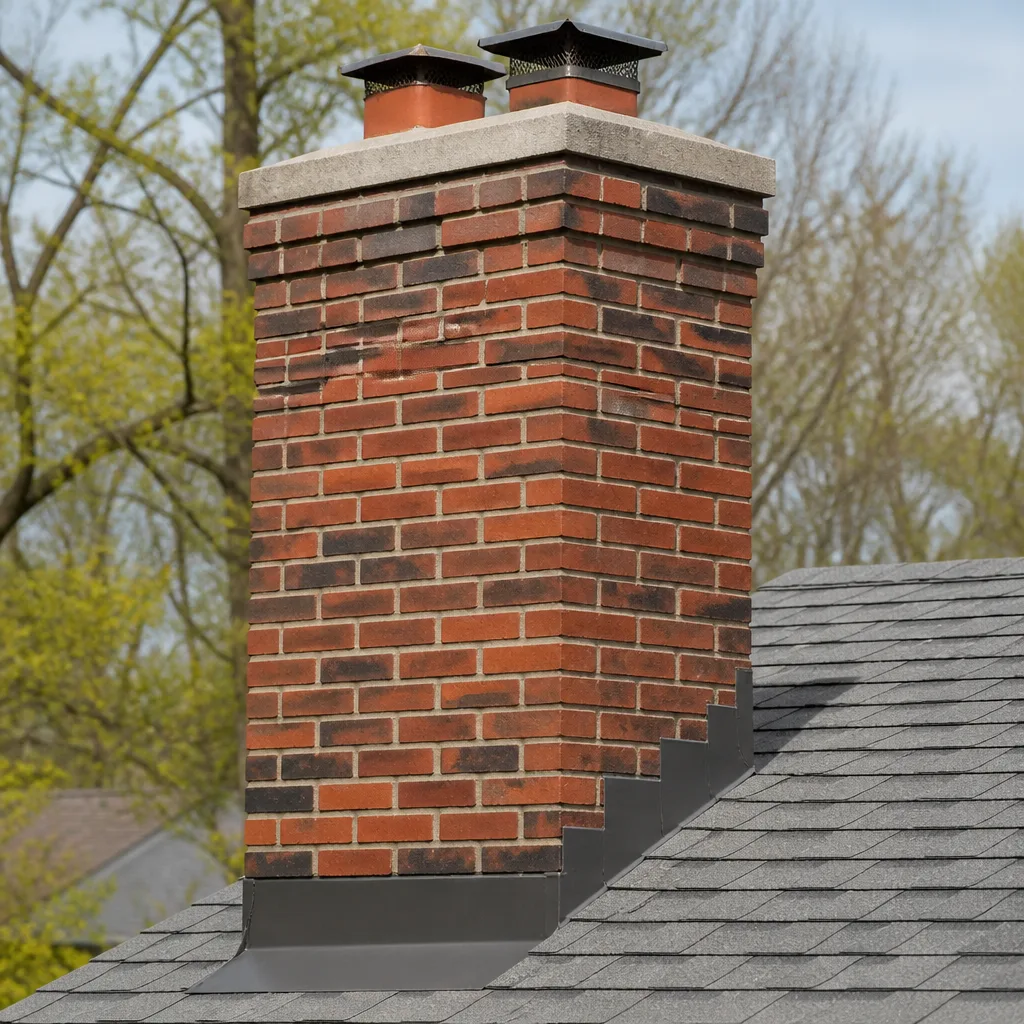 Masonry repair
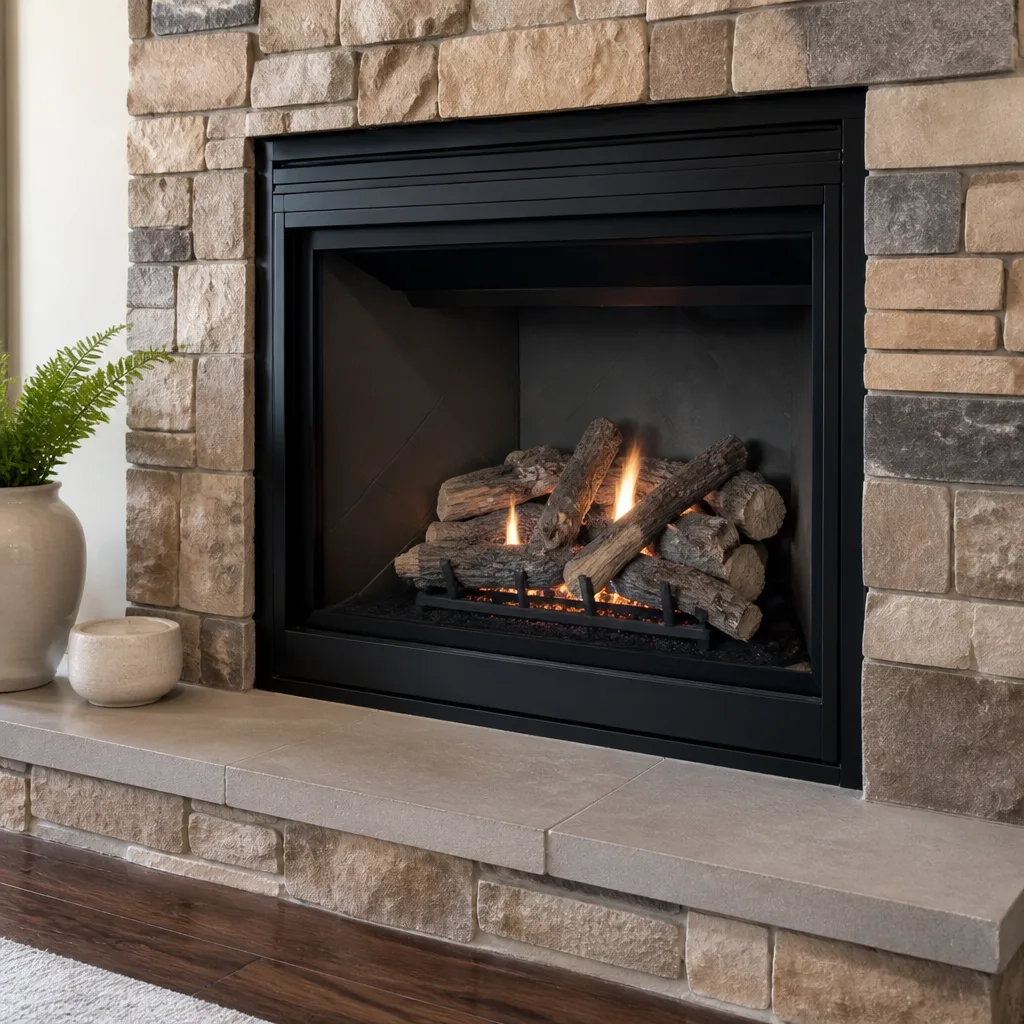 Gas fireplace service
Level 1 sweep and inspection to the NFPA 211 annual standard - flue, crown, cap, and flashing checked and photographed
Chimney sweep logs do not sweep chimneys. They loosen some creosote - which then falls where a brush and vacuum still have to collect it.
Seasonal Chimney Cleaning Care for Hampton: Year-Round Homeowner’s Guide
Most Hampton homeowners think about their chimney exactly once a year: the week before the first fire, when the air turns sharp and someone remembers the flue hasn’t been touched since spring. That’s backwards. In Hampton’s climate, the season that does the most structural damage to a chimney is the one when nothing is burning at all. Four humid months of heat cycling and moisture sitting against brick and mortar quietly set up the problems you discover in October. This guide walks through what each season actually does to a chimney in Hampton, when to clean, when to inspect, and how to build a service calendar around our real burn season instead of a generic national one.
Quick Answer
In Hampton, the most important chimney care happens between late spring and early fall, not at the first cold snap. Get a professional inspection and sweep in late August or early September after the previous burn season is fully over, watch for moisture intrusion and animal nesting through spring and summer, and do a quick pre-season check of the cap, crown, and flashing before the first fire. Cleaning too early in the summer can miss late-season creosote from the previous year, and skipping the off-season entirely is how small mortar problems become liner problems.
Styles & brands we work with
- Sweep & inspection
- Caps & crowns
- Flue relining
- Masonry repair
- Gas fireplace service
Table of Contents
- Why Hampton’s Seasons Don’t Affect Chimneys Equally
- Summer: The Season That Quietly Does the Damage
- Fall: Timing the Clean Before the First Fire
- Winter: Intermittent Use and Cold Flue Drafting
- Spring: Post-Season Inspection Priorities
- Building a Chimney Service Calendar for Hampton
- What You Can Check Yourself Between Visits
- What a Professional Seasonal Visit Includes
Why Hampton’s Seasons Don’t Affect Chimneys Equally
In our experience, most seasonal chimney advice was written for places with long, cold winters and short, dry summers. Hampton doesn’t work that way. Our summers are long, hot, and humid enough that moisture hangs in the air for weeks at a time, and our winters are mild enough that a fireplace gets lit on a cool evening, burns for three hours, and then sits cold for a week. That pattern of intermittent use and slow seasonal cycling does more cumulative damage to brick, mortar, and liners than a steady cold-weather burn ever would.
Here’s the core idea, and it’s the thesis of this whole guide:
- Winter is when your chimney gets used. Creosote builds up here, and drafting problems show up sharply.
- Summer is when your chimney gets damaged. Heat, humidity, and daily expansion and contraction work on the masonry, crown, and chase cover.
- Spring and fall are when you find out what happened. These are the transition seasons where you inspect, clean, and repair before the next cycle of use or damage.
That means the classic “sweep in October and forget it” schedule is actually a half-schedule. It catches the creosote but ignores the structural wear that the off-season causes. If you only get one chimney service per year in Hampton, put it at the end of the burn season when the weather starts to cool but before first use, and treat the spring inspection as the one you don’t skip. Our Chimney Sweep Hampton schedule is built around that rhythm, not a one-size-fits-all calendar.
Summer: The Season That Quietly Does the Damage
Summer is when your chimney sits unused and does most of its aging. Brick and mortar are porous, and in Hampton’s humid summers the masonry stays damp for long stretches. When the sun hits it hard in the afternoon and cools again in the evening, the brick expands and contracts slightly every day. Multiply that by four months and the most vulnerable part of the system, the mortar joints between bricks, starts to crack and crumble. The same cycling batters the chase cover and crown, the concrete or metal cap at the top that’s supposed to shed water away from the flue.
What to look at before the summer season closes, roughly in order of what goes wrong first:
- The crown at the top of the chimney. Look for hairline cracks, spalling concrete, or a crown that’s pulling away from the flue. A failed crown lets water straight into the masonry.
- The chase cover or spark arrestor cap. Rust, loose fasteners, or holes let water and animals in. A proper stainless cap is one thing Gelco and Famco both build well, and it’s cheap insurance against a much bigger repair.
- Flashing where the chimney meets the roof. In Hampton, summer storms and humidity expose any weakness here faster than in a dry climate. Lifted or tarred-over flashing is a water intrusion waiting to happen.
- Mortar joints. Rake a finger gently across a joint. If mortar dust falls away, it’s deteriorating. The joint is the chimney’s weak link.
- Animals and nesting. Summer is nesting season. A missing cap or open flue means a bird or mammal can move in, and the material they bring with them is a fire hazard once you light a fire in fall.
These are the things a trained eye catches in a warm-weather inspection, and they’re the ones most often missed on a quick sweep visit in October. If you’ve only ever had your chimney swept and never had the top end inspected, that’s the gap to close this summer.
Fall: Timing the Clean Before the First Fire
Fall is when most Hampton households call for service, and that’s correct, but the timing matters more than most people realize. The cleaning should happen after the previous burn season is genuinely over and before the first fire of the new one, which in practice lands in late August or the first half of September. Clean too early in the summer and you miss nothing; clean in late September and you’re catching the last of the prior year’s creosote before it sits all summer and hardens into something the sweep has to work harder to remove.
The order for a proper pre-season service looks like this:
- Confirm the burn season is over. No fires in the two or three weeks before the appointment. This matters because late-season creosote is what you’re cleaning out.
- Book the sweep and inspection together. A sweep without an inspection is a cleaning, not a diagnostic. You want to know what the inside of the flue looks like, not just have it brushed.
- Review the report before the first burn. If the inspection turns up a deteriorated liner, cracked crown, or failed mortar, you want the repair done in September, not the night before Thanksgiving.
- Do a light test burn. The first fire of the season should be small. That’s how you find out how the flue drafts without committing to a full firebox.
The most common fall mistake we hear about is a rushed sweep in mid-September where the contractor never looked up the flue. A broom through the box doesn’t tell you whether the liner is intact, whether the damper seals, or whether creosote has glazed onto the flue walls. That’s a cleaning, not a chimney sweep in the sense that actually protects the home. The difference matters most in the fall, when the whole point is to know what’s inside before winter.
Winter: Intermittent Use and Cold Flue Drafting
Hampton winters are mild enough that a fireplace gets used like a light switch: on for three hours on a cool evening, then off for a week. That pattern creates a specific drafting problem. A masonry chimney that’s been sitting cold for days has to warm up from the inside every time you light a fire. For the first twenty or thirty minutes, the flue is cold and the draft is weak. Smoke can spill into the room, and a fire that smolders instead of burning hot produces more creosote and more carbon monoxide.
The practical fixes are simple and worth knowing:
- Preheat the flue before a fire. A rolled-up newspaper held near the damper (not in the firebox) warms the flue and starts the draft pulling the right way.
- Crack a window nearby on the first fire. Modern homes in Hampton are tight enough that the fire can starve for air. A slightly open window gives the flue something to draw against.
- Keep the fire burning hot rather than long. A hot, brisk fire emits less creosote than a smoldering one. If you’re burning wood, seasoned hardwood is the difference between clean flue gas and heavy deposits.
- Watch for smoke spillage every single time. If smoke drifts into the room on more than one occasion, stop using the fireplace and get the flue inspected. Backdrafting is a combustion safety issue, not a nuisance.
Part of the winter equation is the fuel. Unseasoned wood is the single most common cause of rapid creosote buildup in Hampton fireplaces, because it’s still holding water when it burns. If you split your own wood, split it in spring so it has the summer to dry. If you buy it, ask how long it’s been seasoned and don’t take “it’s dry” as an answer. In a house that burns a couple of evenings a week through the winter, the creosote layer that builds up is different from the one a steady-burner produces, and it depends almost entirely on what you feed the fire.
Winter is also when the low, deep cold snaps come through and stress the system hardest. A chimney that passed inspection in September can still develop a problem in January if a spalled crown or a cracked mortar joint finally lets water in during a freeze. If you notice a new stain on the ceiling near the chimney, a smoky smell even when there’s no fire, or a visible crack that’s widened since fall, don’t wait for spring.
Spring: Post-Season Inspection Priorities
Spring is the season for finding out what winter did, and in Hampton it’s the inspection that most homeowners skip. The priorities shift here from fire performance to moisture and pest damage, plus one issue specific to the way our mild winters interact with metal liners.
Moisture intrusion
Spring rain plus a failing crown or flashing equals water in the masonry. Look for efflorescence (the white, powdery salt residue that shows up on brick when water has been migrating through it), damp patches on the chimney breast inside the house, and rust stains around the damper. Any of these mean water is getting in somewhere above.
Nesting animals
Birds, squirrels, and raccoons see an uncapped chimney as a safe nursery. Spring is when that happens. A sweep in spring, before the nesting season is in full swing, is easier than a sweep after, and it’s a chance to confirm the cap is doing its job. If you can hear scratching or chirping in the flue, don’t light a fire and don’t try to smoke them out. Call a professional.
Liner condensation damage
Here’s the Hampton-specific one. Even in a mild winter, a metal liner warms and cools daily, and every warm-up condenses moisture out of the flue gas onto the inside of the liner. Over a season that condensation combines with creosote and mild acids and starts attacking the liner itself, particularly at the joints. Left alone, this is what turns a full liner replacement into a necessary job when a less invasive fix might have worked. HeatShield liner resurfacing, which we use, addresses deteriorated mortar joints from the inside without tearing the whole liner out in many cases. A spring inspection is when you find out which category you’re in.
Building a Chimney Service Calendar for Hampton
Instead of a generic national schedule, build one around Hampton’s actual burn season. Here’s a calendar we’ve found works well for our local winters:
- April or early May: spring inspection. Post-winter. Check for moisture intrusion, nesting, liner condition, and any damage the winter did.
- June: repair window. If the inspection found a cracked crown, deteriorated mortar joints, or a failed cap, fix it during the dry stretch before the humid months set in.
- July: cap and cover check. Confirm the chase cover, spark arrestor, and cap are still doing their job. A stainless cap in good shape is what keeps the summer humidity and the summer wildlife out.
- Late August or the first half of September: sweep and inspect. This is the big one. Catch the previous burn season’s creosote before the next fire.
- Early October: address any repairs before first burn. Get the liner, crown, or flashing work done now, not in November when you’re trying to light a fire.
- November through March: burn season. Watch for smoke spillage, unusual smells, and new stains. If anything looks off, stop using the fireplace and get it inspected.
That’s a schedule with two inspection points (spring and late summer) and one major sweep (late summer), plus repairs placed where the weather allows them to be done well. It’s tighter than the once-a-year sweep most households do, and it’s tuned to how a chimney in Hampton actually ages through the year.
What You Can Check Yourself Between Visits
A few things homeowners can safely look at on their own, no ladder required:
- Smoke, smell, or soot in the house. Any of these when a fire is lit points to a drafting or blockage problem that needs a professional look.
- Water stains or efflorescence on the chimney breast or ceiling near the chimney. Water is getting in from above.
- Visible cracks on the outside of the chimney or the crown from the ground. You can spot these with binoculars from the yard without climbing anything.
- Damper operation. With no fire lit and the firebox cold, the damper should open and close smoothly and seal reasonably well when closed.
- Creosote visible at the damper. If you can see thick, gummy, or glazed deposits at the top of the firebox, the flue above is probably worse.
What you shouldn’t do: get on the roof to inspect it yourself, reach into the firebox to scrape creosote, or try to relight a fire that’s producing smoke in the room. Chimneys and roofs are where a lot of homeowners get hurt. The quick check is for information gathering, not for diagnosis.
What a Professional Seasonal Visit Includes
A proper seasonal service from a chimney specialist is more than a brushing. Here’s the difference between a quick sweep and a real one.
A real seasonal visit does the sweep and the inspection in the same trip, because the sweep is what makes the inspection possible. The sweep removes creosote from the flue and the firebox. The inspection looks at the flue interior (a camera is the standard), the damper, the smoke chamber, the crown, the cap, the flashing, and the masonry. You get a written report of what was found, not just “all clear, that’ll be $200.”
When repairs are needed, the materials matter as much as the diagnosis. We name the materials we use because it’s the difference between a repair that lasts and a repair that gets redone in two years. Our toolkit includes:
- DuraFlex liner systems, for full relining jobs where the existing liner is beyond resurfacing.
- HeatShield for liner resurfacing, which addresses deteriorated mortar joints from the inside and can mean avoiding a full replacement in the right situation.
- Gelco and Famco for caps, covers, and venting, so the top end of the chimney is protected properly and not just plugged with whatever was in the truck.
- Copperfield and Olympia Chimney for the other components a repair might need.
If a company can sweep, inspect, and repair with the right materials in one visit, you’re not coordinating two or three contractors and waiting weeks between each one. Sweep, inspect, and chimney repair in one place is what a seasonal schedule should feel like. That’s the specialty: chimney systems, not a general handyman service that sweeps on the side.
Common Mistakes to Avoid
- Sweeping too early in the summer. If you clean in June, you’re cleaning mid-cycle. Wait until the burn season is fully over and the late-season creosote has been deposited. Late August through mid-September is the right window in Hampton.
- Skipping the spring inspection. The winter exposure is real, and spring is when you catch the moisture intrusion and animal nesting before they cause structural damage. If you only get one service, this is the one that saves you money long-term.
- Ignoring creosote type. A light soot deposits differently than a thick, glazed creosote layer. Glazed creosote is a fire hazard and needs a proper sweep and inspection, not a quick brush. If your chimney gets smoky fires, glaze builds up faster.
- Burning unseasoned wood. In a mild winter that’s already hard on a flue from the intermittent burn pattern, wet wood adds a second layer of creosote buildup. Split your wood in spring so it has the whole summer to dry.
- Letting the cap or cover go missing. Hampton summers bring wildlife and rain. An uncapped flue is an open door for both. Fix a missing or damaged cap in spring, before nesting season picks up.
- Assuming a gas fireplace needs no chimney care. Gas appliances still vent through the chimney. The venting can degrade, and a gas flue still needs periodic inspection. Don’t skip the annual service just because you’re not burning wood.
- Doing the roof and flue work yourself. Ladders, roofs, and hot flues are not a homeowner task. The step that puts a person on a roof to look down a flue is the one that should always be a call.
See the difference
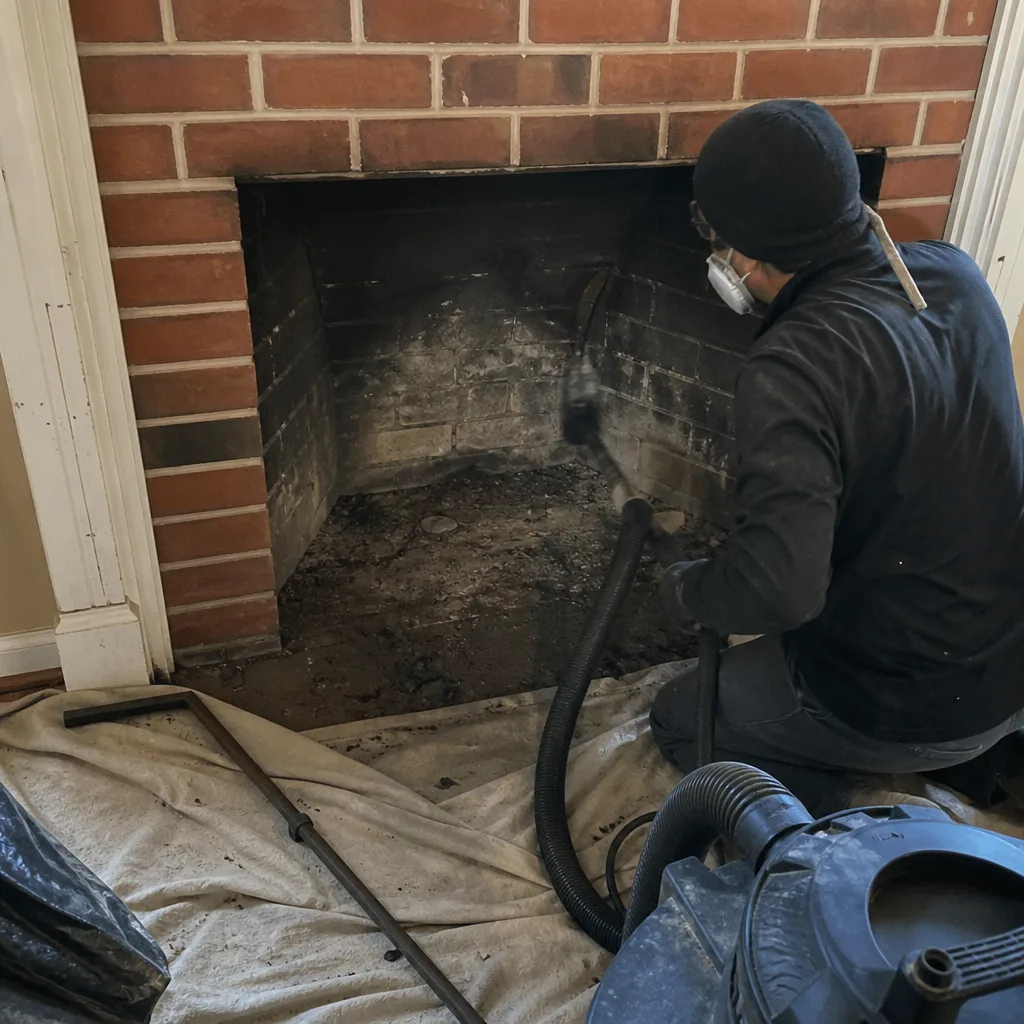 Before
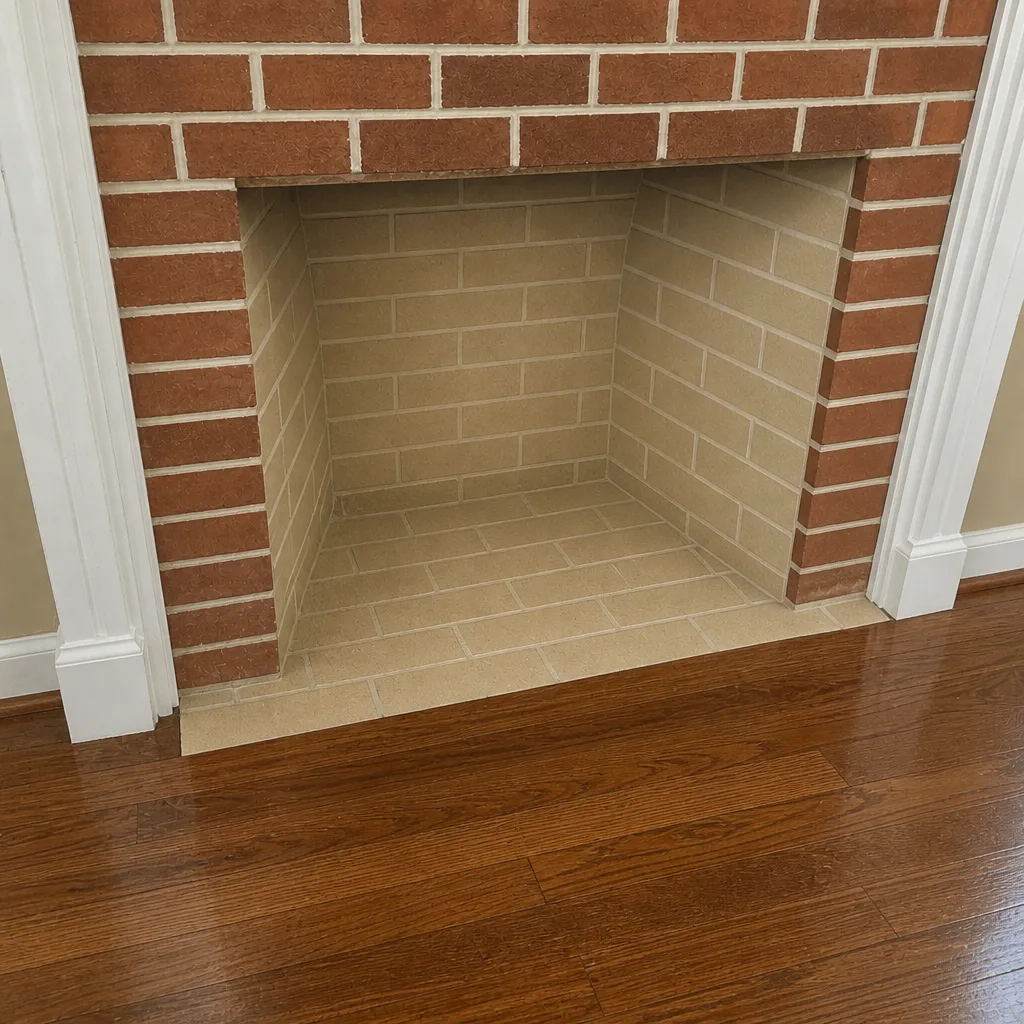 After
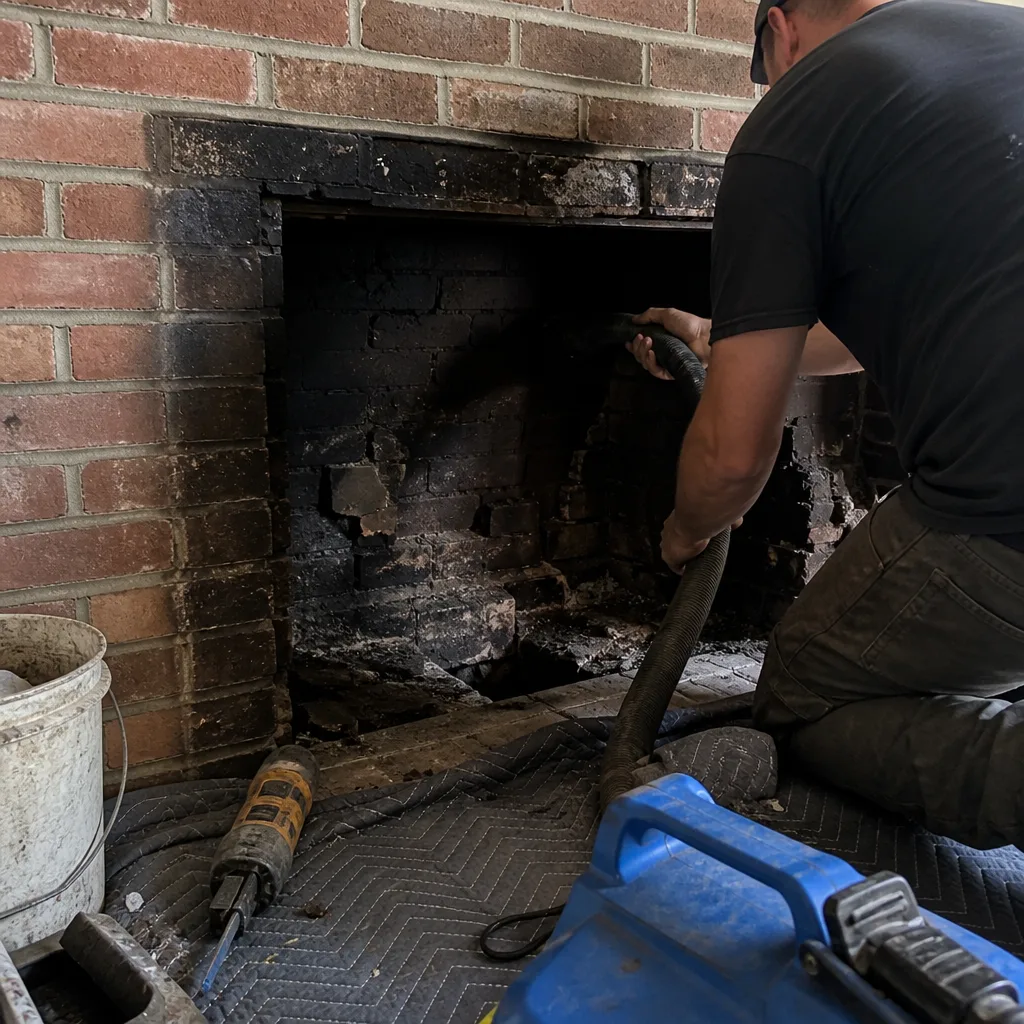 Before
 After
 Before
 After
When to Call a Professional
You should call a professional chimney service in Hampton if any of these apply:
- You haven’t had the flue inspected in more than a year.
- Smoke drifts into the room when a fire is lit, or you smell smoke when there’s no fire.
- You see water stains on the ceiling or chimney breast, or efflorescence on the exterior brick.
- You hear scratching or chirping inside the chimney.
- You see a cracked crown, missing cap, or damaged flashing from the ground.
- You’re selling or buying a home in Hampton and need documentation of the chimney’s condition.
- You just moved in and don’t know when the chimney was last serviced. Start with a full inspection.
Chimney Sweep Hampton offers free estimates in Hampton. Call (833) 572-0756. We answer 24/7. Fast dispatch from 7am to 7pm, Sunday through Friday. Our technicians have up to 9 years of experience, and the full seasonal service (sweep, inspect, and repair in one visit) is built to catch small problems before they become liner replacements.
Frequently Asked Questions
At least once a year, at the end of the burn season and before the next one, which means once annually in late summer or early fall. If you burn wood frequently, have a wood stove, or notice heavy creosote at the damper, an additional spring check is worth it. A proper annual visit combines the sweep with an inspection, so you’re not just getting brushed, you’re getting a report on the condition of the whole system.
Creosote keeps building, and the off-season damage (moisture intrusion, mortar deterioration, liner condensation) keeps running. The risk that gets the attention is a chimney fire from creosote buildup, which is a real hazard when the flue deposits are heavy or glazed. The risk that costs money later is the structural problem that turns a repairable mortar joint into a full liner replacement over two or three skipped years. Skipping one year because life got busy isn’t catastrophe, but it stops being a one-year problem after a while.
Not necessarily, and this is the one where a written inspection report matters most. A deteriorated liner can sometimes be resurfaced rather than replaced. HeatShield liner resurfacing is designed for exactly that, restoring the inside surface and addressing mortar joint deterioration without pulling the whole liner out. A full DuraFlex relining is the right call when the existing liner is beyond resurfacing. The honest answer is “it depends on what the camera shows,” and you should ask to see the camera footage if you’re being told you need a full replacement.
Yes, and in our experience summer is a smart time to book the spring inspection, since many Hampton households get busy in fall. What we don’t recommend is treating a summer sweep as the main annual cleaning. The main cleaning should come at the end of the burn season and before the next one, so that late-season creosote is fully removed. A summer inspection is the right complement to that, not a substitute for it.
Yes. In Hampton’s mild winters, intermittent use is actually harder on the flue than steady use, because every cold start creates a weak draft and a smoldering fire, and both produce more creosote than a hot, sustained fire. A chimney that gets lit three evenings a week and sits cold in between is exactly the pattern that builds deposits unevenly. Annual inspection is the way to know whether the deposits are in the normal range.
The right thing to look for is a chimney specialist, not a general handyman service that adds sweeping as a side offering. Ask whether the company combines sweep, inspect, and repair in one visit, whether it uses a camera for the inspection, and whether it names the liner systems and caps it works with. Chimney Sweep Hampton works with DuraFlex, HeatShield, Gelco, Olympia Chimney, Famco, and Copperfield, and the sweep, inspection, and repair are all handled by one company.
The Bottom Line
Hampton chimneys take summer damage and winter use, and the seasons in between are when you find out how well the system held up. Clean in late August or the first half of September, after the burn season is fully over and before the first fire. Inspect in spring for moisture, nesting, and liner condition. Repair in the dry stretch between. And don’t mistake a quick brush for a real seasonal service; the inspection is what protects the home. If you build the calendar around Hampton’s actual burn season instead of a generic national one, the chimney stays in good shape and you find out about real problems early enough to fix them properly. If you’re not sure where your chimney stands, start with an inspection.
Call (833) 572-0756 for a free estimate. We answer 24/7. Fast dispatch from 7am to 7pm, Sunday through Friday.
Written by the team at Chimney Sweep Hampton.